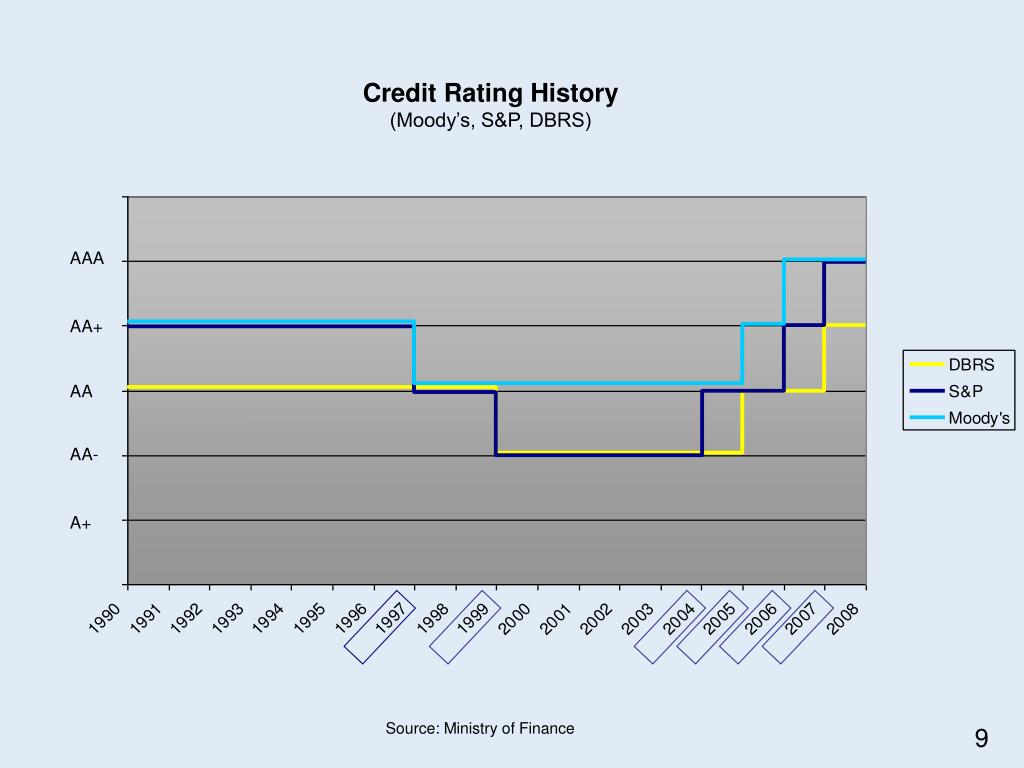
S&P Global Ratings has announced the downgrade of British Columbia's credit rating for the fifth time since 2021, where the Canadian province previously enjoyed the highest AAA rating. This new downgrade raises questions about financial stability in the region, especially amid increasing economic challenges.
This decision was made on Thursday, with the report indicating that British Columbia is struggling to balance expenditures and revenues, negatively impacting investor confidence. This credit rating was among the best in Canada, reflecting the strength of the local economy.
Details of the Event
The downgrade of British Columbia's credit rating reflects growing concerns about the government's ability to manage debt and public expenditures. This downgrade followed a comprehensive review of the province's financial situation, which showed that the financial deficit has increased significantly.
British Columbia is one of Canada's largest provinces and has been significantly affected by the repercussions of the COVID-19 pandemic, leading to increased health and social expenditures. Additionally, global economic challenges, such as rising energy and commodity prices, have contributed to exacerbating the situation.
Background & Context
Historically, British Columbia has had a strong reputation in financial management, being considered a model in Canada. However, since 2021, the agency has repeatedly downgraded its credit rating, reflecting negative changes in economic and political conditions.
Factors leading to this downgrade include rising public debt, challenges in achieving sustainable economic growth, and pressures from climate change affecting vital sectors such as agriculture and tourism.
Impact & Consequences
The downgrade of the credit rating has wide-ranging effects on the local economy, as it can lead to increased borrowing costs for the government and businesses. This could negatively impact new investments and affect economic growth in the future.
Moreover, this downgrade could also affect citizens' confidence in the government, potentially leading to political repercussions in the future. Under these circumstances, the government may be forced to implement austerity measures or increase taxes to achieve financial balance.
Regional Significance
Although British Columbia is far from the Arab region, economic events in major countries like Canada affect global markets, including Arab markets. Changes in credit ratings could lead to fluctuations in commodity prices, impacting Arab economies that rely on these goods.
Arab investors may also be cautious about investing in Canada under these conditions, which could affect economic relations between Canada and Arab countries. It is essential for Arab nations to monitor these developments to assess risks and opportunities in global markets.