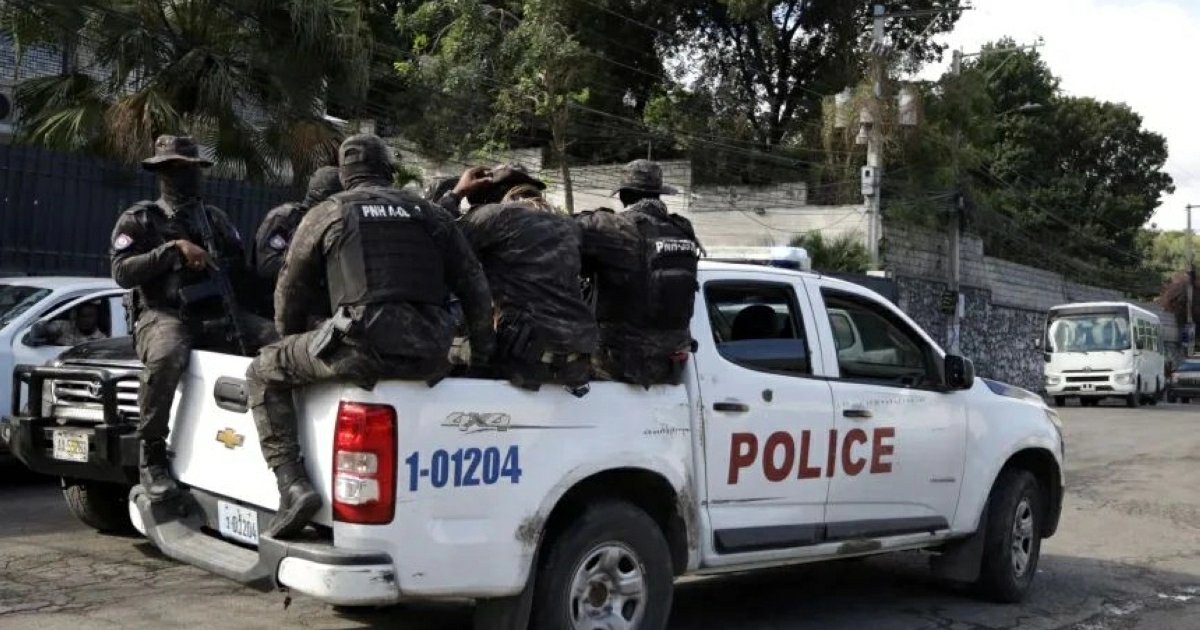
Armed gang attacks in the Artibonite region of western Haiti have resulted in the deaths of dozens and the displacement of thousands from their homes, ahead of the arrival of an international force to combat these assaults. The attacks targeted the areas of Jean-Denys and Pont-Sondé, causing widespread destruction, with local authorities confirming the death of 16 individuals on Sunday, while human rights organizations estimated the death toll to be around 70 by Monday.
According to the groups "Defenders Without Borders" and "RNDDH", dozens of homes were set ablaze, forcing approximately 6000 people to flee their residences. The gangs have split into smaller groups, carrying out coordinated attacks across several areas, leading to road closures and the digging of trenches on main routes.
Details of the Incident
Partied Horace, spokesperson for the Dialogue and Reconciliation Committee for the Rescue of the Artibonite Valley, reported that the gangs began firing indiscriminately upon entering the targeted areas, resulting in numerous civilian deaths and property destruction. Horace noted that there was initially no police presence, allowing the gangs to operate freely and without fear.
By Monday afternoon, police arrived in the area, leading to a retreat of the gangs. At the Saint Nicholas Hospital in the town of Saint Marc, doctors received 15 injured individuals, including a 13-year-old child, with 7 of them undergoing major surgeries. Dr. Réginald Phil-Aimé, who works at the hospital, described the influx of patients as the largest seen in recent weeks due to gang-related violence.
Background & Context
Haiti has been suffering from rampant gang violence for years, with United Nations reports indicating that there are 26 gangs operating in the capital, Port-au-Prince. This violence has led to a near-total paralysis of daily life, as gangs control major roads, hindering the delivery of vital supplies to needy areas. From March of last year until January of this year, more than 5500 people have been killed due to violence.
The Artibonite region, known as Haiti's "breadbasket", is one of the country's most important agricultural areas, facing severe food supply shortages in gang-controlled regions. Approximately 1.4 million people are displaced due to ongoing violence.
Impact & Consequences
These attacks highlight the deteriorating security situation in Haiti, prompting the United Nations to call on Haitian authorities to conduct a thorough investigation into these assaults. Stéphane Dujarric, spokesperson for the UN Secretary-General, expressed concern over these attacks, emphasizing the urgent need for action to protect civilians.
In this context, a multinational force known as the "Gang Combat Force" is expected to arrive in Haiti soon. Joanna Blaze, a regional researcher at Amnesty International, stated that this massacre is a new crime in a series of offenses that Haitian authorities and the international community have been unable to stop.
Regional Significance
The events in Haiti represent a security and humanitarian challenge that requires international attention, as these crises can impact regional stability. Cooperation between Arab countries and the international community in addressing humanitarian security issues could positively influence stability in other conflict-affected areas.
In conclusion, these events reflect the urgent need for international cooperation to address security and humanitarian challenges, highlighting the importance of enhancing joint efforts to find lasting solutions to the crises faced by nations.