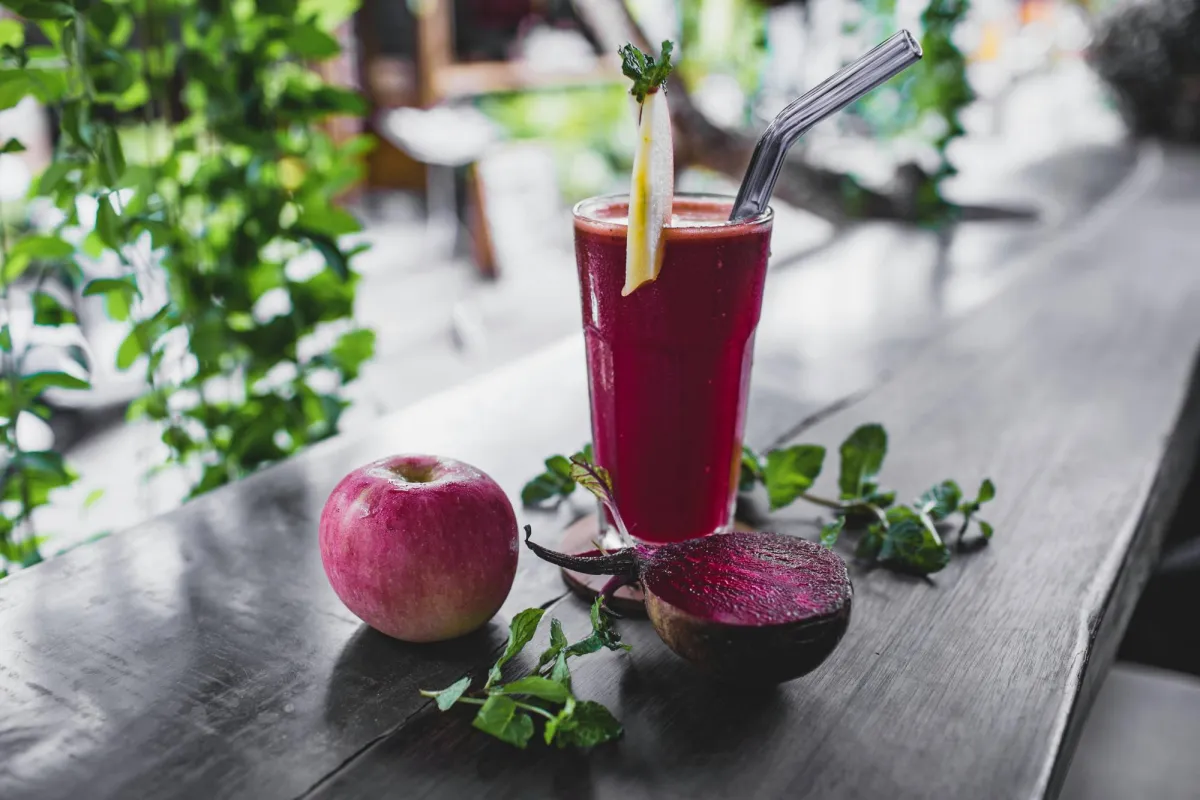
Beet juice has become increasingly popular in recent years due to its potential benefits for heart health and its role in lowering blood pressure. However, its effects are not solely dependent on the type or quantity consumed; timing also plays a crucial role in maximizing its health benefits, especially for individuals with hypertension.
According to Verywell Health, drinking beet juice in the morning on an empty stomach can improve the absorption of nitrates present in the juice, thereby enhancing its effect on vasodilation and supporting blood pressure reduction. This timing aligns with the natural daily rhythm of blood pressure, which may increase the efficacy of its vasodilatory effects in hypertensive patients.
Event Details
Beet juice is a rich source of nitrates, which are compounds made up of nitrogen and oxygen. The body converts these nitrates into a gas known as nitric oxide. Nitric oxide acts as a vasodilator, helping to relax and widen blood vessels, thus improving blood flow and potentially lowering blood pressure, as noted by Verywell Health.
Studies indicate that consuming beet juice in doses up to 250 milliliters (equivalent to 8 fluid ounces) may be safe and beneficial for individuals with high blood pressure, due to its role in promoting vasodilation and improving circulation. Many studies have relied on consuming beet juice approximately 30 minutes before breakfast to achieve optimal results.
Background & Context
Beet juice contains a higher concentration of nitrates compared to raw or cooked beets, enhancing its effectiveness. Drinking the juice on an empty stomach aids in better nitrate absorption and prolongs its vasodilatory effects. As it passes through the digestive system, nitrates are absorbed in the first and middle sections of the colon, with their concentration in the blood peaking within about three hours, and therapeutic levels lasting up to ten hours.
When consumed in the morning, the rise and fall of nitrate levels coincide with the body's natural daily blood pressure rhythm, which is regulated by the biological clock. Blood pressure typically begins to rise several hours before waking, continues to increase to peak around midday, and then gradually decreases in the afternoon and evening.
Impact & Consequences
Therefore, drinking beet juice in the morning on an empty stomach about half an hour before breakfast may be the most effective option, especially since blood pressure tends to be at its highest during morning hours. With growing interest in healthy nutrition, choosing sources of beneficial fats has become essential for maintaining heart health and preventing chronic diseases.
Both avocados and almonds stand out as popular nutrient-rich options, but many wonder: which one provides the greatest benefit for your heart? Both avocados and almonds are rich sources of monounsaturated fats, which are beneficial fats associated with improved cholesterol levels and reduced inflammation.
Regional Significance
This information is particularly relevant for the Arab region, where rates of hypertension and heart disease are increasing. Raising awareness about the benefits of beet juice and the timing of its consumption can contribute to improved health outcomes for individuals. Additionally, incorporating healthy foods like avocados and almonds into the diet can positively impact heart health in Arab communities.
In conclusion, beet juice is a healthy choice that can make a difference for individuals seeking to improve their heart health. As interest in healthy nutrition grows, individuals should take advantage of these opportunities to enhance their dietary lifestyle.