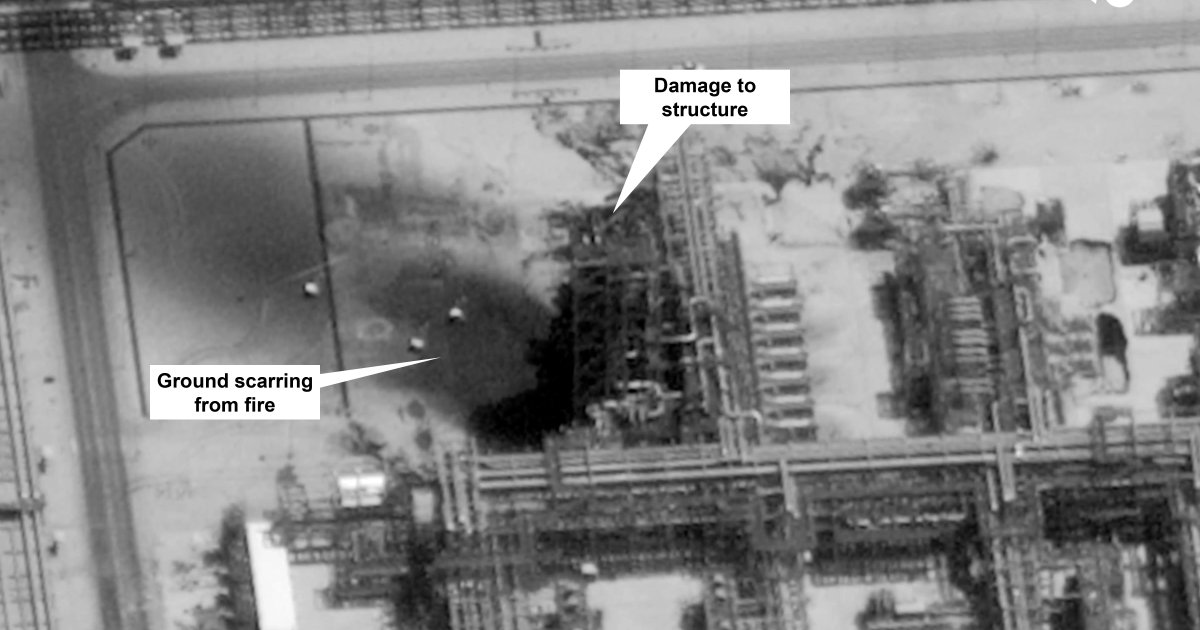
On Saturday evening, the Iraqi Ministry of Oil announced that warehouses at the Al-Bazarkan oil field were attacked by unidentified drones. This attack comes at a sensitive time for Iraq, which heavily relies on its oil exports to secure its financial revenues.
The Al-Bazarkan oil field, located in Dhi Qar province, is considered one of the largest oil fields in Iraq and contains significant oil reserves. The attack on this field reflects the increasing security tensions in the region and raises questions about the Iraqi government's ability to protect its vital facilities.
Details of the Incident
According to reports, no human casualties were recorded as a result of the attack, but the damage to the warehouses may affect production and export operations. No group has claimed responsibility for the attack so far, adding to the ambiguity surrounding the party behind it.
Attacks on oil facilities in Iraq are on the rise, with the country witnessing a series of assaults targeting energy infrastructure in recent years. These attacks are often linked to political and security conflicts in the region, complicating the situation further.
Background & Context
Iraq, regarded as one of the largest oil producers in the world, heavily depends on oil revenues to secure its budget. However, the country faces significant challenges related to security and stability. Since the withdrawal of U.S. forces in 2011, Iraq has seen an escalation in armed activities, including attacks by ISIS and other armed groups.
Historically, oil facilities in Iraq have been a primary target for attacks, as assailants seek to undermine the Iraqi economy and destabilize the government. Previous attacks on oil fields have led to production halts and a decline in exports, negatively impacting the national economy.
Impact & Consequences
The attack on the Al-Bazarkan oil field could have significant ramifications for the Iraqi economy. If attacks continue, state revenues may be severely affected, exacerbating economic and social crises. Additionally, the deteriorating security situation could negatively impact foreign investments in the oil sector.
Moreover, the continuation of such attacks may lead to increased tensions among various political factions in Iraq, as they may exchange accusations regarding responsibility for these attacks. This situation could complicate the Iraqi government's efforts to achieve stability and security in the country.
Regional Significance
The security crises in Iraq have a direct impact on the Arab region. Iraq is considered a strategic hub in the Middle East, and any deterioration in the security situation there could affect neighboring countries. Furthermore, Iraq's stability is crucial for ensuring the stability of global oil markets.
In a related context, attacks on oil facilities could lead to a rise in global oil prices, affecting Arab economies that rely on oil as a primary source of revenue. This situation may necessitate international interventions to ensure market stability.
In conclusion, the situation in Iraq remains complex and requires integrated efforts from the government and the international community to ensure the protection of oil facilities and the stability of the country.