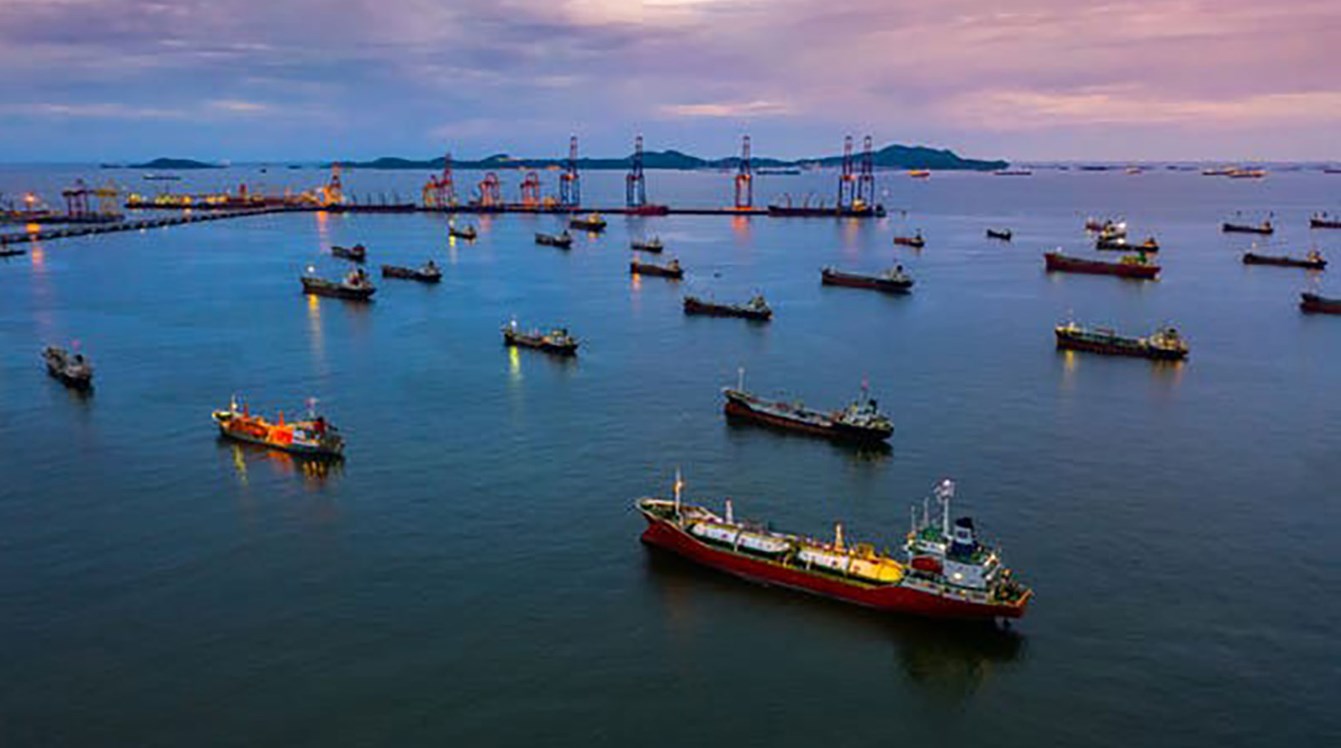
A drone has targeted a Turkish-owned oil tanker in the Black Sea, as reported by Istanbul's Minister of Transport, Adil Karaismailoğlu. The incident took place while the tanker, flying the flag of Sierra Leone and owned by the Turkish company Beşiktaş, was en route after departing from a Russian port loaded with around 1 million barrels of oil. No reports of injuries among the 27 crew members have been received.
This incident is part of escalating tensions in the region, where attacks on commercial vessels in the Black Sea have increased recently, reflecting the ongoing impact of the conflict between Russia and Ukraine on maritime navigation.
Details of the Incident
The targeted tanker was on a routine commercial voyage, but the attack highlights the growing risks faced by vessels in this strategic area. The attack was carried out using a drone, a new tactic in maritime conflicts, raising concerns about the safety of navigation in the Black Sea.
It is important to note that the Black Sea is a vital corridor for oil and gas trade, witnessing intense activity from various countries. The attack on the Turkish tanker could have negative repercussions on trade movements in the region, especially under the current circumstances.
Background & Context
Historically, the Black Sea has seen numerous maritime conflicts, particularly amid tensions between Russia and Western countries. Since the onset of the Ukrainian conflict, tensions have intensified, leading to an increase in attacks on commercial vessels. In recent years, there have been reports of attacks on oil tankers and cargo ships, raising concerns about the safety of navigation in these waters.
This incident serves as a reminder of the complexity of the situation in the Black Sea, where economic interests intertwine with military and political dimensions. The attack also reflects the use of modern technology in conflicts, as drones have become an effective tool for executing attacks.
Impact & Consequences
This attack could have widespread implications for maritime trade in the Black Sea. An increase in attacks may lead to higher insurance costs for vessels, which could affect oil and gas prices in global markets. Additionally, this type of attack might prompt countries to reassess their security strategies in the region.
Furthermore, the attack could escalate tensions between Russia and Turkey, as Turkey is considered a key player in the region. Turkey may take retaliatory measures, further complicating the security situation in the Black Sea.
Regional Significance
The Arab region is closely linked to global oil markets, and any disruptions in navigation in the Black Sea could impact oil prices in Arab markets. Given that many Arab countries rely on oil as a primary source of revenue, any price increase resulting from these events could affect their economies.
Moreover, escalating tensions in the Black Sea may influence relations between Arab countries and Turkey, especially given their shared interests in energy and trade. It is crucial for Arab nations to closely monitor developments in this situation, as any escalation could affect the overall stability of the region.