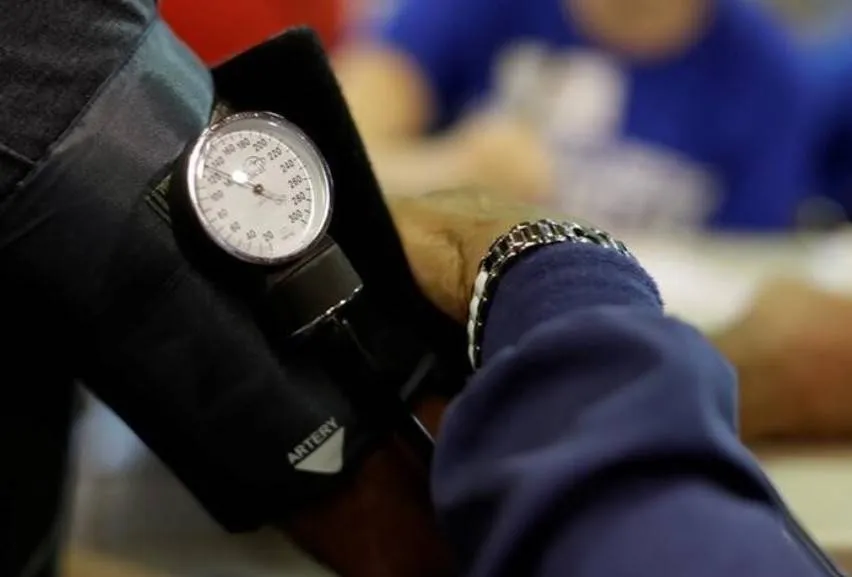
High blood pressure is a common condition affecting millions of people worldwide, often dubbed the 'silent killer' due to the lack of clear symptoms. Therefore, regularly checking and monitoring blood pressure is crucial for maintaining health.
According to a report published by the British newspaper The Telegraph, blood pressure is measured in mmHg, consisting of two numbers: the upper number, known as systolic pressure, indicates the pressure in the arteries during heartbeats, while the lower number, known as diastolic pressure, reflects the pressure in the arteries when the heart is at rest between beats. Dr. Graham MacGregor emphasized that the systolic number becomes more important for individuals over the age of fifty, as its elevation is linked to an increased risk of stroke and heart disease.
Effective Methods to Lower Blood Pressure
There are various ways to lower blood pressure, where medications can contribute, but they are best accompanied by lifestyle changes. It is recommended to take multiple medications that work through different mechanisms, enhancing effectiveness. However, patients should be cautious of potential side effects such as dizziness and headaches, and they should consult their doctor before making any changes to their medication.
One of the primary factors affecting blood pressure is salt consumption. It is advised to reduce salt intake to less than 6 grams per day, as a diet high in salt is one of the main causes of high blood pressure. Reducing salt can lead to quick results in lowering blood pressure, often noticeable within weeks.
Background & Context
Studies show that most of the salt people consume comes from processed foods, highlighting the need to read food labels carefully. Potassium is an important mineral in lowering blood pressure, as it helps the body eliminate sodium. It is recommended to consume potassium-rich foods such as bananas and leafy greens.
Regular exercise also plays a significant role in lowering blood pressure. It is recommended to engage in 150 minutes of moderate physical activity weekly, as studies have shown that aerobic exercises and weight training contribute to improving blood pressure.
Impact & Consequences
Weight loss is considered an effective factor in lowering blood pressure, where losing 5-10% of body weight can lead to noticeable improvements. Additionally, reducing alcohol consumption and quitting smoking contribute to better blood pressure levels. Research indicates that smoking can cause a temporary increase in blood pressure, while quitting is an important step towards improving heart health.
Research shows that good sleep plays a crucial role in heart health, as sleep deprivation is linked to high blood pressure. It is advised to improve sleep habits by maintaining a consistent sleep schedule and engaging in physical activity.
Regional Significance
The issue of high blood pressure is a significant health concern in the Arab region, where rates of the condition are increasing. Individuals in the region are advised to regularly monitor their blood pressure and follow a healthy lifestyle that includes balanced nutrition and physical activity.
In conclusion, high blood pressure is a serious health issue, but it can be managed through simple lifestyle changes. It is essential for individuals to be aware of their blood pressure levels and take effective steps to maintain their health.