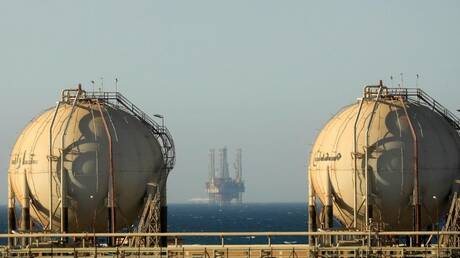
Egypt's Minister of Petroleum and Mineral Resources, Karim Badawy, announced the start of a new phase of expansion in the energy sector, aimed at enhancing Cairo's position as a regional hub in this field. This step comes as part of a comprehensive strategy aimed at developing energy infrastructure and increasing local production, which contributes to meeting local market needs and exporting to regional and international markets.
Through this phase, Egypt aims to better utilize its natural resources and enhance investments in renewable energy, oil, and gas projects. Badawy confirmed that this step comes at a time when the world is witnessing significant transformations in the energy sector, necessitating Egypt to take bold steps to enhance its competitiveness.
Details of the Announcement
During the press conference held to announce this new phase, Badawy explained that the Egyptian government is working to attract more foreign and local investments in the energy sector. He pointed out that there are plans to develop new projects in renewable energy fields, such as solar and wind energy, in addition to enhancing natural gas and oil production.
The minister also emphasized that Egypt possesses significant potential in the energy sector, being one of the largest gas producers in the region. He noted that the government aims to achieve energy self-sufficiency, which will enable it to export the surplus to foreign markets.
Background & Context
Historically, Egypt's energy sector has undergone significant changes over the years. The country heavily relied on energy imports, but with major natural gas discoveries in recent years, Egypt has been able to achieve self-sufficiency. These discoveries have contributed to enhancing Egypt's status as a leading energy country in the region.
The Eastern Mediterranean region is considered one of the richest areas in hydrocarbon resources, making it a focal point for many countries. These discoveries have led to increased competition among the countries bordering this area, necessitating Egypt to strengthen its strategy in this sector.
Impact & Consequences
This new phase is expected to contribute to strengthening the Egyptian economy by increasing investments and creating new job opportunities. Additionally, enhancing Egypt's position as a regional energy hub will help attract more global companies to invest in this sector.
Moreover, increasing energy production will improve the standard of living for citizens by providing energy at reasonable prices. Exporting the surplus energy to foreign markets will also help improve the country's trade balance.
Regional Significance
This step is significant not only for Egypt but for the entire Arab region. Strengthening Egypt's position as a regional energy hub will affect the balance of power in the region, as Egypt will become a key player in the regional energy market.
Furthermore, this strategy may open avenues for cooperation among Arab countries in the field of energy, contributing to achieving energy security in the region. Given the challenges faced by some Arab countries in this field, Egypt can serve as a model for effectively utilizing resources.
In conclusion, the new phase announced by the Egyptian Minister of Petroleum represents an important step towards achieving sustainable development goals in the energy sector and enhancing Egypt's position on the regional and international stage.