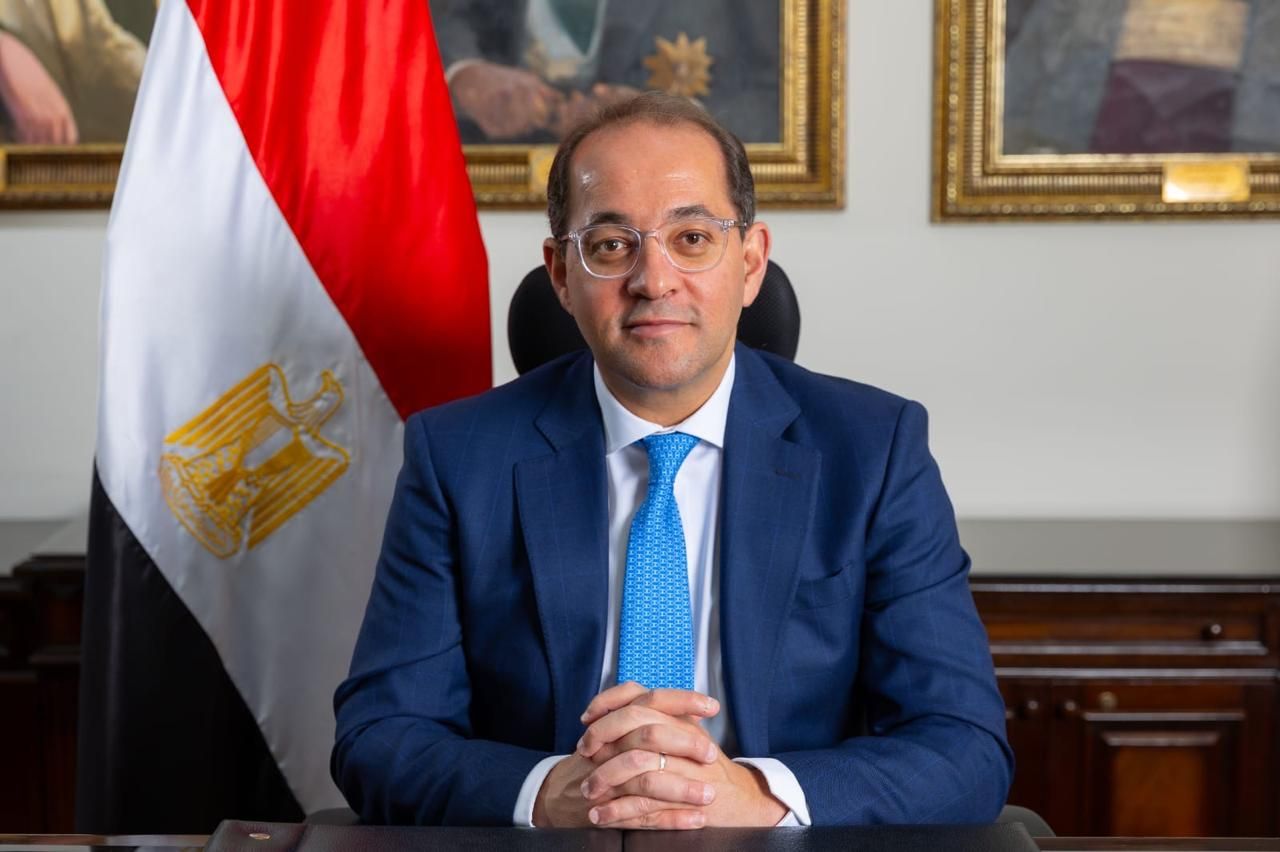
The Egyptian Ministry of Finance has recently intensified its efforts to engage with international investors as part of explaining the government's vision for addressing current economic challenges and showcasing the financial indicators and reforms being implemented to support economic stability and attract foreign investments.
Finance Minister Ahmed Kouchouk stated that the Egyptian government has adopted a proactive and swift approach to confront economic changes, noting that this approach has received positive feedback from international investors who have closely followed the recent government measures.
Event Details
The minister explained that adopting a policy based on transparency and honesty with investors enhances trust in the state's directions and contributes to improving the outlook for the Egyptian economy, especially in light of the challenges and increasing pressures faced by the global economy. He also indicated that the government has rearranged spending priorities to serve the national economy while balancing citizens' needs with investment requirements.
Furthermore, he added that the state has been keen to provide the necessary financial resources for the energy sector, ensure food security, and continue to meet the basic needs of citizens. He affirmed that the Egyptian economy still enjoys a degree of resilience and is moving steadily towards achieving stability, alongside opening new avenues for investment, manufacturing, production, and export.
Background & Context
These steps come at a time when the global economy is facing significant challenges, necessitating rapid and effective measures by countries to ensure their economic stability. Recent reports have shown that Egypt possesses multiple investment opportunities supported by incentives and tax and customs facilities aimed at encouraging the business community.
For her part, Nevin Mansour, the minister's advisor for economic institutional relations, stated that the ministry is keen on continuous communication with investors and international institutions, in addition to issuing more balanced and transparent periodic reports on the developments of the Egyptian economy. She clarified that the ministry held three main meetings via video conference, one with Jefferies, while the other two were organized with several Italian and European investors and capital market investors through Intesa Sanpaolo.
Impact & Consequences
During these meetings, the ministry reviewed the performance of public finances during the nine months from July to March, where Egypt recorded a primary surplus of 3.5% of GDP, while the total budget deficit reached 5.2%.
It was also noted that the path of tax facilitation, incentives, and partnership with financiers helped raise voluntary compliance rates, which reflected a growth in tax revenues by approximately 29% without imposing new tax burdens. Regarding external debt, it was clarified that the external debt of budgetary agencies decreased by about 4 billion dollars in June 2025 compared to its level in 2023, indicating the state's ongoing efforts to improve public debt indicators and reduce its burdens.
Regional Significance
These steps are part of broader efforts aimed at enhancing economic stability in the region, as Arab countries seek to attract foreign investments and improve the business environment. Egypt's success in achieving these goals could serve as a model for other Arab countries in facing economic challenges.
In conclusion, the efforts of the Egyptian Ministry of Finance stand out as a positive step towards enhancing confidence in the national economy, which may contribute to attracting more foreign investments and strengthening the country's ability to confront future economic challenges.