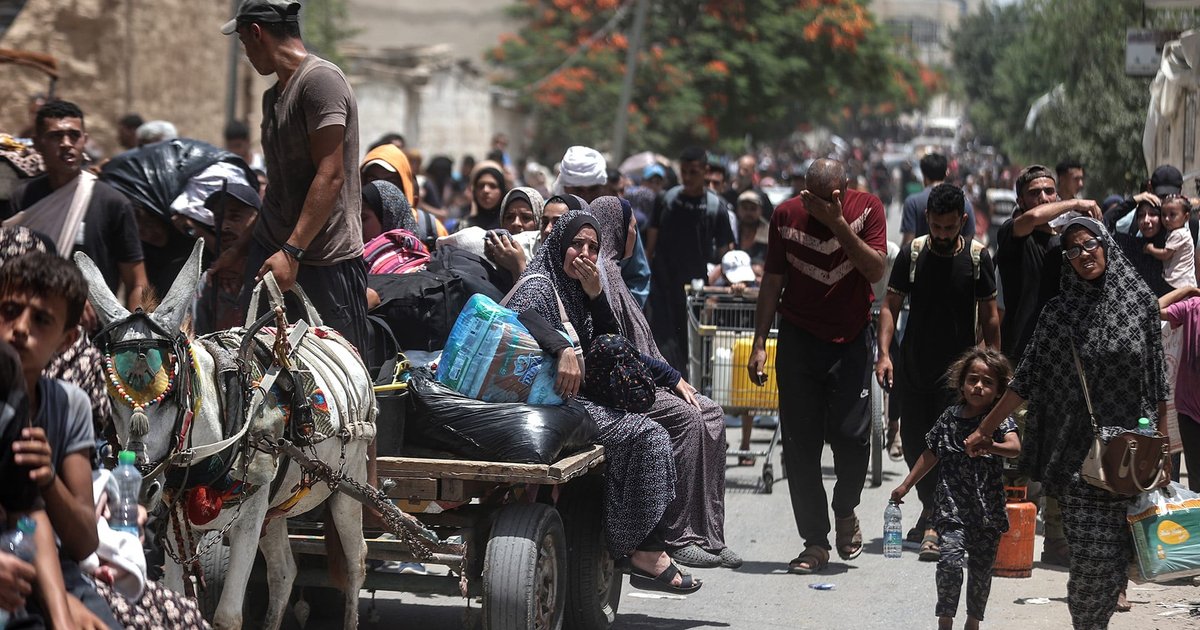
Lebanese star Elissa has ignited a widespread debate on social media following her strong criticism of the proposal to establish a refugee camp in the Karantina area of Beirut. She tweeted from her official account on X, emphasizing her distinction between the humanitarian situation that needs to be provided for refugees and the risks that may arise from creating a living space for them in the heart of Lebanese residential neighborhoods.
Elissa's words were not mere passing opinions but reflected a deep concern about a complex humanitarian situation that Lebanon has been suffering from for years due to multiple crises. She maintained a direct response to what her country is experiencing, considering that solutions are not necessarily found by entrenching a humanitarian emergency in populated residential areas.
Event Details
Elissa's statements come at a time when discussions about the potential establishment of a refugee camp in Karantina are intensifying, a region that is one of the hardest hit by Lebanon's economic and political crises. Karantina, which has long been a symbol of resilience and challenge, now faces additional threats in the form of potential increased social tensions between current residents and the new arrivals.
In her tweet, Elissa noted that "refugee camps could create a stressful environment for local residents, worsening their suffering. We need more humane and conscious solutions instead of imposing new hot spots in our cities."
Context and Background
Lebanon has been grappling with a suffocating economic crisis for several years, with an increasing number of refugees from neighboring countries, particularly Syria. Daily life is becoming more difficult, and humanitarian challenges are escalating in the country. Numerous local and international organizations have stated that Lebanon needs a wiser management of the crisis instead of allowing matters to unfold aimlessly.
These crises coincide with an increase in the intensity of Elissa's rhetoric, who has always been an advocate for humanitarian issues. Accordingly, it was essential for her to highlight these positions on the burning issues in the country, which may contribute to a greater awareness surrounding the complex challenges that Lebanese people face in their daily lives.
Consequences and Impact
The statements made by Elissa open the discussion on how to deal with the refugee issues in Lebanon and whether the proposed solutions align with basic humanitarian values. These discussions could also lead to greater pressure on the Lebanese government to provide practical and tangible solutions, rather than merely addressing situations on a superficial level.
There are also security and social considerations related to the presence of refugee camps in residential areas, where increasing tensions may lead to social disturbances in a country already suffering severe distress due to various crises without the need for new additions. This presents the biggest challenge: how can the government address security and social concerns alongside human rights and the nature of the humanitarian situation?
Impact on the Arab Region
The issue of refugees is not unique to Lebanon; rather, it reflects a larger humanitarian crisis affecting many Arab countries. The conflict in Syria, and the resulting influx of migrants and refugees, represents a shared challenge that the Arab world awaits to find genuine and sustainable solutions for.
Certainly, the case of Elissa and the controversy over refugee camps will shed light on other humanitarian crises in the region and revive the discussion on how to tackle these challenges in a humane and ethical manner. It is high time to view refugee issues as part of a broader human experience and work together to promote social justice.