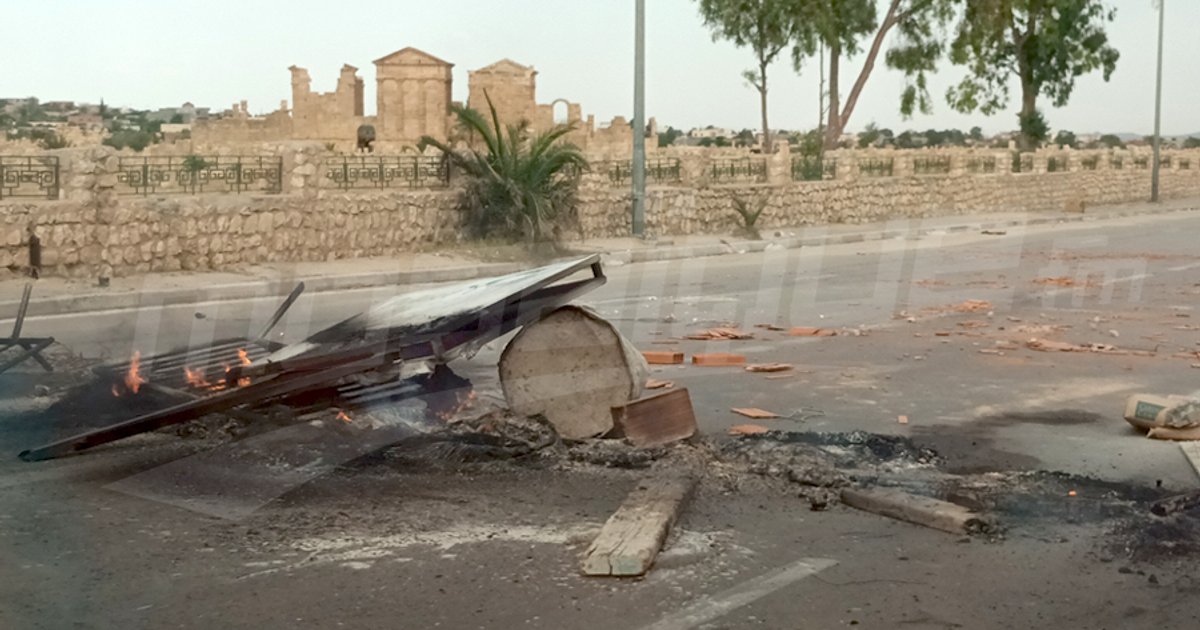
Qamishli, the Syrian city renowned for its cultural and social diversity, is undergoing a unique experience that has attracted the attention of observers. After a period of conflict, the gun barrels in the city have quieted, allowing its inhabitants to contemplate how to rebuild their future.
As a crucial center in northeastern Syria, Qamishli's rich history dates back to ancient times. Today, many wonder how residents live amid the relative calm, and how they are affected by the economic and social changes wrought by recent years.
Details of the Event
After years of bloody conflict, Qamishli has begun to enter a phase of relative stability. Away from recurring security incidents, residents focus on resuming their daily activities. The markets are lively as people adapt to a return to normalcy, overcoming the wounds of the past.
Despite the noticeable improvements, the city still faces challenges. Some families continue to struggle with the difficult psychological impact and the need to reconstruct their lives after losing loved ones and possessions. Many residents are concerned about the city's future amid the ongoing political instability in the region.
Context and Background
Qamishli has played a pivotal role during the conflicts in Syria over the last decade. The city was a stronghold for various armed factions, leading to painful incidents of violence. Despite the negative transformations, the city experienced a rise in the formation of a local cultural identity, enhancing social cohesion among the residents.
Recently, the involvement of various regional and international powers has shaped a new reality, as all parties strive for political gains, complicating Qamishli's recovery.
Impacts and Consequences
The ongoing changes in Qamishli have clear effects on the daily lives of its residents. Many are rebuilding their familial and social relationships, as families begin to emerge from a state of psychological contraction towards a new horizon of hope.
It is crucial to note that the economic situation in the city demands heightened efforts from local authorities, as livelihoods have been affected by the conflict. Seeking job opportunities and building a sustainable economy are pressing issues that occupy residents' minds.
Significance for the Arab Region
Qamishli serves as a model for similar experiences in Arab conflict zones. The relative calm in Qamishli could be a benchmark for other countries experiencing internal conflicts. Achieving sustainable stability requires regional and international cooperation.
The changes in Qamishli may also lead to profound impacts on relationships between various population components, underscoring the importance of dialogue and communication to build a more prosperous future.
Today, Qamishli embodies resilience and hope after the storms, as residents look forward to building a brighter landscape, despite the political complexities that could impact their endeavors.