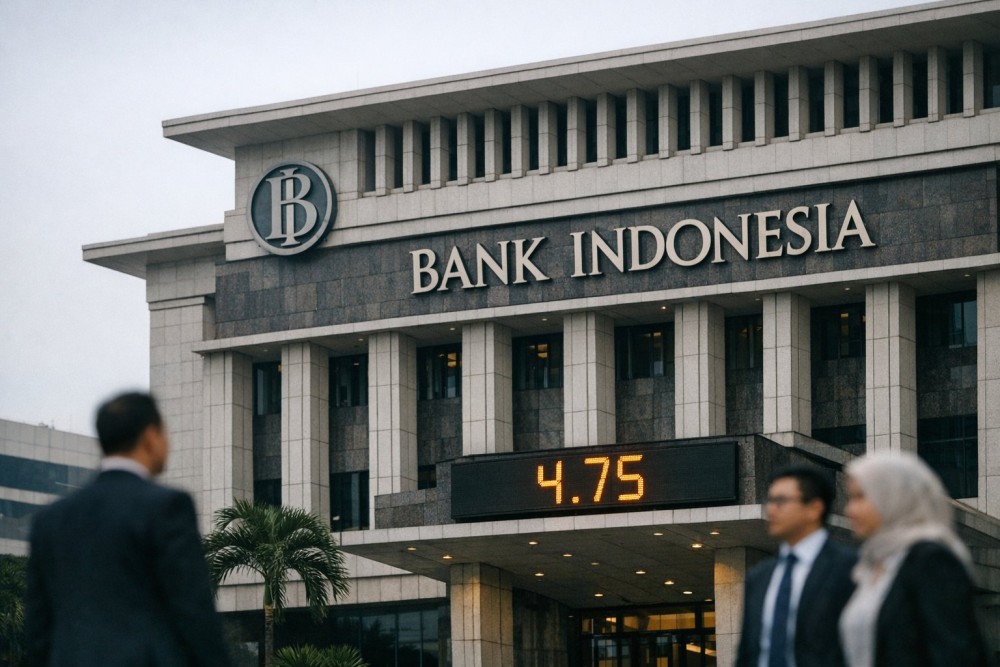
Central banks in emerging markets are significantly tightening monetary policy by raising interest rates to address increasing inflationary pressures. This move comes amid escalating crises resulting from the war with Iran, coupled with a sharp rise in energy and food prices.
Data shows that over ten central banks in emerging economies have taken steps to raise interest rates since the onset of the war in late February. Among these countries, Indonesia, Rwanda, South Africa, and Sri Lanka have tightened monetary policy in the past two weeks, according to a report by Bloomberg.
Details of the Event
In contrast, central banks in the United States, Eurozone, Japan, and Canada are maintaining their interest rates, while Norway and Australia are among the advanced countries that have raised rates. These actions reflect the commitment of monetary policymakers in emerging markets to maintain their credibility in combating inflation.
These banks have benefited from the experiences gained during the global tightening cycle that followed the COVID-19 pandemic, as these economies moved to raise rates ahead of their counterparts in the developed world to counter the wave of rising prices.
Background & Context
The war has disrupted shipping routes through the Strait of Hormuz, a vital passage for about one-fifth of global seaborne oil and liquefied natural gas trade. These crises have also caused supply shocks that led to increased energy and food prices, bringing inflationary pressures back to the forefront.
As a result of these developments, many governments have reviewed their monetary easing policies and taken measures to support consumers, such as imposing caps on energy prices and reducing fuel taxes.
Impact & Consequences
Some central banks in emerging markets are seeking to raise interest rates to support their local currencies and curb capital outflows. More countries are expected to join the tightening wave in the near future.
In this context, the Reserve Bank of India has pledged to combat speculation against the rupee, and reports indicate a potential discussion on raising interest rates during its upcoming meetings. The Central Bank of the Philippines has also hinted at the possibility of a significant unscheduled rate hike before its scheduled meeting on June 18.
Regional Significance
Inflationary pressures are not limited to emerging economies; they are also beginning to extend to advanced economies. The inflation rate in the Eurozone has surpassed 3% for the first time in over two and a half years, bolstering expectations that the European Central Bank will raise interest rates during its upcoming meeting next week.
Economists emphasize that the continued rise in energy and food prices due to geopolitical tensions may drive more central banks worldwide to adopt tighter monetary policies in the second half of the year, in an attempt to contain a new inflationary wave that threatens global economic growth.