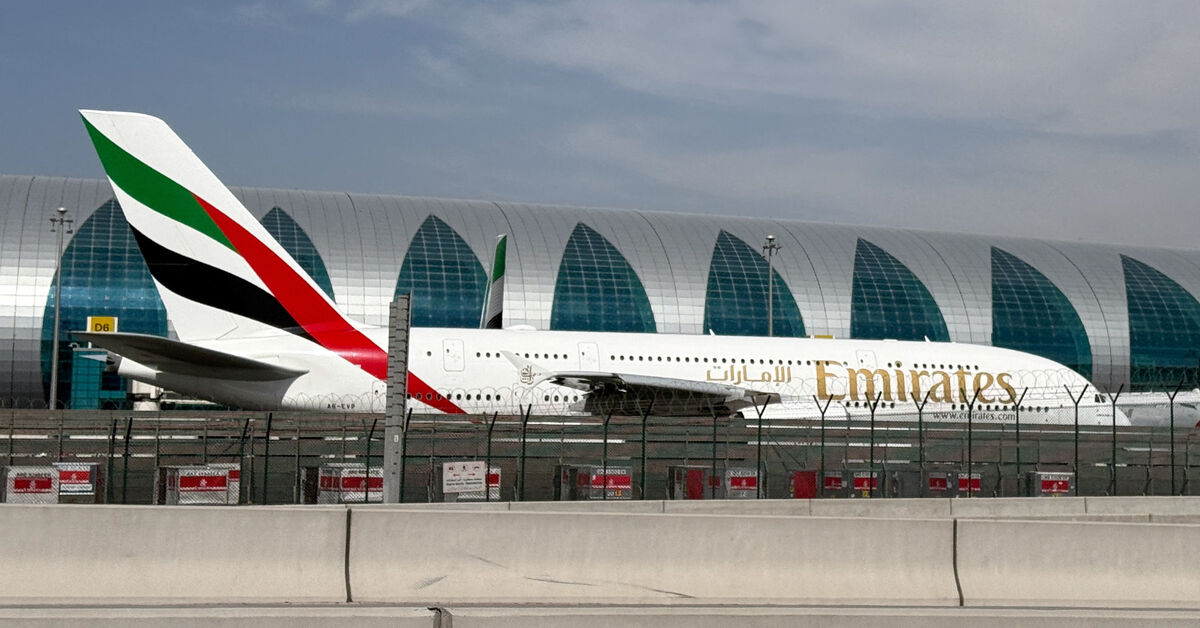
Emirates Airline, based in Dubai, has announced a decision to prohibit Iranian citizens from entering or transiting through the United Arab Emirates. This decision comes at a time when regional tensions are escalating between Iran and Gulf states, raising questions about the impact of these measures on inter-state relations.
In contrast, Flydubai clarified that Iranians holding the UAE's 'gold' visa are exempt from this ban, meaning they can enter and transit through the country. This exemption may indicate an attempt by the UAE to maintain some economic and social ties with a specific group of Iranians.
Details of the Decision
This measure comes at a sensitive time, as tensions between Iran and the Gulf Cooperation Council (GCC) countries are on the rise, particularly with ongoing political and economic crises in the region. This decision has elicited mixed reactions from observers, who see it as a step reflecting growing concerns about Iranian activities in the area.
It is noteworthy that the UAE had previously taken steps to reduce tensions with Iran, including participating in diplomatic talks. However, this new decision may reflect a shift in the UAE's strategy towards Iran under the current circumstances.
Background & Context
Historically, relations between Iran and Gulf states have been volatile, characterized by periods of cooperation and hostility. In recent years, tensions have increased due to several factors, including Iran's nuclear program, its support for militias in the region, and regional conflicts such as the Syrian and Yemeni crises.
The UAE is considered one of the Gulf states that has sought to balance its relations with Iran, but recent events have prompted it to take more cautious steps. This decision comes at a critical time, as fears of escalating conflicts in the region are growing.
Impact & Consequences
These measures are likely to affect travel and trade between Iran and the UAE, as the latter is a key destination for many Iranians. This decision may lead to a decrease in the number of Iranian visitors, impacting the UAE's economy, which heavily relies on tourism and trade.
Moreover, this decision could exacerbate tensions between Iran and Gulf states, increasing the likelihood of escalation in regional crises. Additionally, this decision may affect diplomatic relations between the UAE and Iran, complicating dialogue between the two sides.
Regional Significance
This step is part of a series of measures taken by Gulf states in response to the security and political challenges they face. As Arab countries seek to enhance their security and stability, these measures may reflect greater concerns about Iranian activities in the region.
Ultimately, the question remains open regarding how these measures will affect regional relations and whether they will lead to further division or new opportunities for dialogue and cooperation.