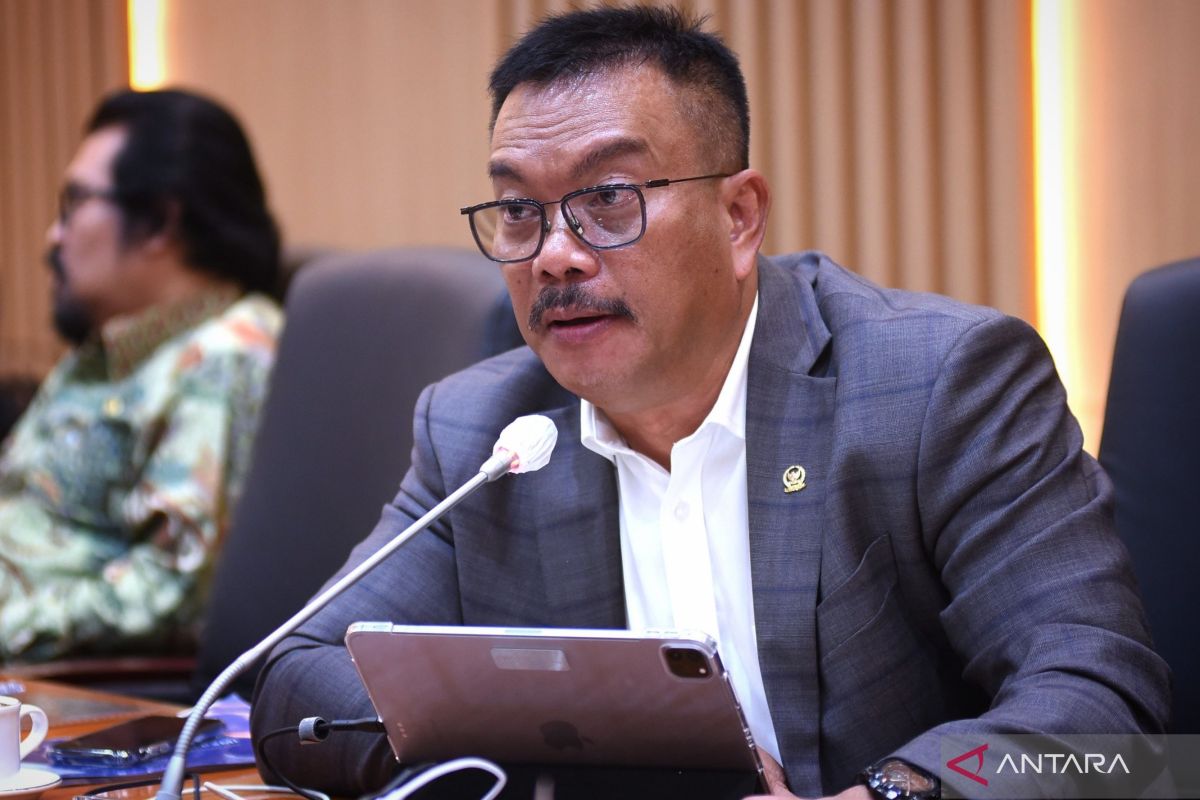
In efforts to enhance food security and improve community health, Indonesian Deputy Minister of Home Affairs, Pema Arya, emphasized the necessity for governors and mayors in Kipro to monitor the free nutrition program (MBG). This statement was made during his online speech at the opening of the annual meeting for local government work planning for 2027 in Tanjung Pinang.
Arya pointed out that there are clear directives from the Ministry of Home Affairs requiring local officials to follow up on the program's implementation and provide quarterly reports. He also called for enhanced cooperation with the program's task forces to ensure that necessary food supplies come from local sources instead of relying on imports.
Details of the Program
During the meeting, Arya stressed the importance of eliminating barriers to food supply for the program, warning that the establishment of food delivery units must be accompanied by a guarantee of continuous supply. He also highlighted the need to improve program management to avoid issues such as mismanagement of waste resulting from cooking operations.
He emphasized the importance of accurately identifying beneficiaries of the program, noting that the target groups include students, pregnant women, and nursing mothers. In a related context, he pointed out the significance of integrating the free nutrition program with the Red and White Village Cooperative initiative, which will help provide the necessary food supplies.
Background & Context
Indonesia is one of the countries facing significant challenges in nutrition, with many residents suffering from deficiencies in essential nutrients. The government has launched several programs aimed at improving nutritional status, including the free nutrition program that seeks to provide healthy meals to those in need.
Impact & Consequences
The success of the free nutrition program could have a substantial impact on public health in Indonesia, as it will help reduce malnutrition rates among the most vulnerable groups. Additionally, promoting the use of local products will strengthen the local economy and contribute to creating new job opportunities. Furthermore, improving program management and ensuring sustainable food supply can help build trust between the government and the community, thereby enhancing social and economic stability in the country.
Regional Significance
This initiative is crucial for enhancing food security and improving community health, which contributes to reducing malnutrition rates. By focusing on local products, the program not only addresses immediate nutritional needs but also fosters long-term economic development.
In conclusion, the free nutrition program in Kipro represents a strategic move towards ensuring food security and promoting health within the community. The collaboration between local authorities and the program's task forces will be vital for its success.