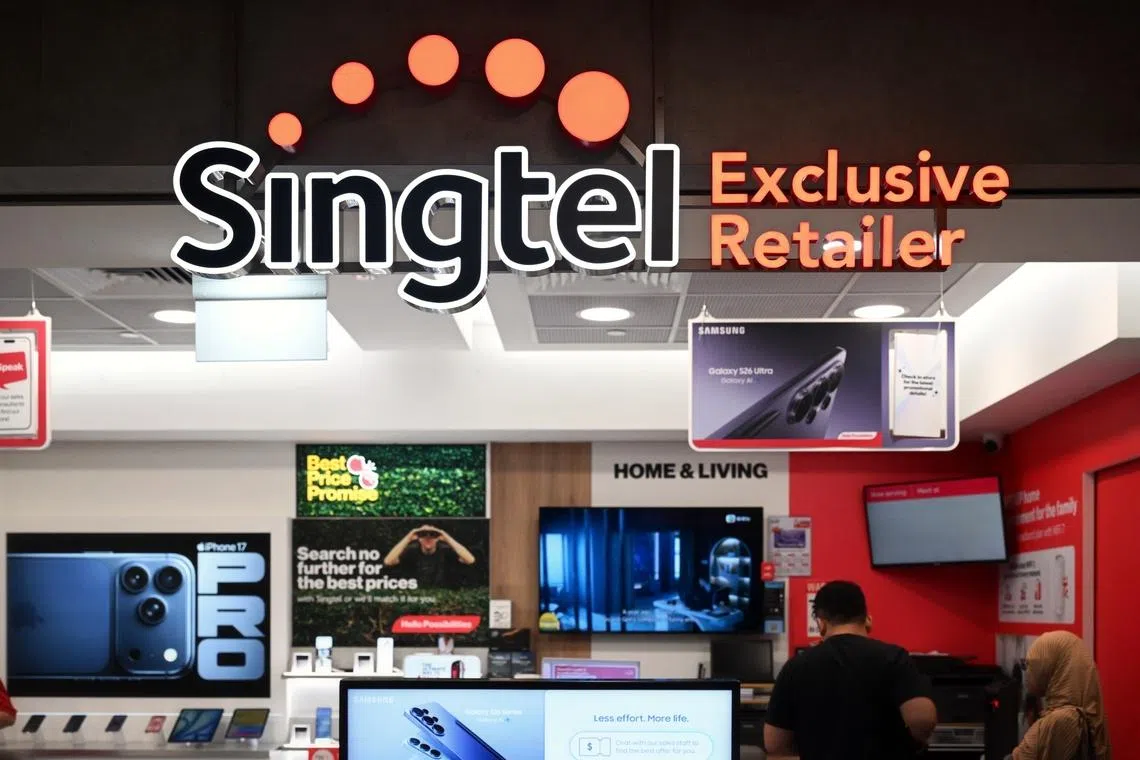
Singtel, a leading telecommunications company in Singapore, has unveiled a strategic initiative that allows SDS shareholders to obtain direct ownership of their shares, enhancing their ability to sell them at market prices. This initiative comes at a time when investors are looking to make the most of their investments amidst market volatility.
According to recent data, the average SDS shareholder owns approximately 1,360 shares, reflecting a total value of around 6,800 USD. This new direction underscores Singtel's strategy to bolster investor confidence and facilitate buying and selling processes, which could lead to increased market activity.
Details of the Initiative
Singtel's move is part of its ongoing efforts to enhance the investor experience and promote transparency in the market. By granting shareholders direct ownership, the company hopes to attract more investors, especially in light of the increasing competition in the telecommunications sector. This change also reflects a global trend towards empowering investors to make more independent decisions regarding their investments.
This initiative comes at a time when the global financial market is experiencing significant fluctuations, making it essential for companies to adopt new strategies to attract investors. Through this initiative, Singtel aims to be at the forefront of companies embracing these changes.
Background & Context
Singtel was established in 1879 and is one of the oldest telecommunications companies in the world. Over the years, the company has expanded its range of services to include a wide array of digital and communication solutions. With increasing competition in the market, it has become crucial for Singtel to adopt new strategies to ensure its continued success.
In recent years, the company has undergone significant changes in its management structure and marketing strategies. These changes were aimed at improving financial performance and enhancing its market position. With the shift towards direct share ownership, it seems that Singtel is seeking to strengthen its relationship with investors and improve transparency levels.
Impact & Consequences
This change is expected to have a significant impact on the financial market in Singapore, potentially leading to an increase in trading volumes, reflecting greater market activity. Moreover, this trend may encourage other companies to adopt similar strategies, enhancing competition in the market.
Furthermore, this change could improve trust levels among investors, as they feel they have greater control over their investments. This may encourage more individuals to invest in shares, potentially leading to an increase in both domestic and foreign investments in the Singaporean market.
Regional Significance
The implications of this initiative extend beyond Singtel, as it may set a precedent for other companies in the region to follow suit. By enhancing shareholder rights and promoting direct ownership, the initiative could lead to a more dynamic and competitive market environment.
In conclusion, Singtel's strategic move to empower shareholders with direct ownership is a significant step towards fostering a more transparent and investor-friendly market. As the company navigates the challenges of a fluctuating market, this initiative may prove to be a pivotal factor in attracting and retaining investors.