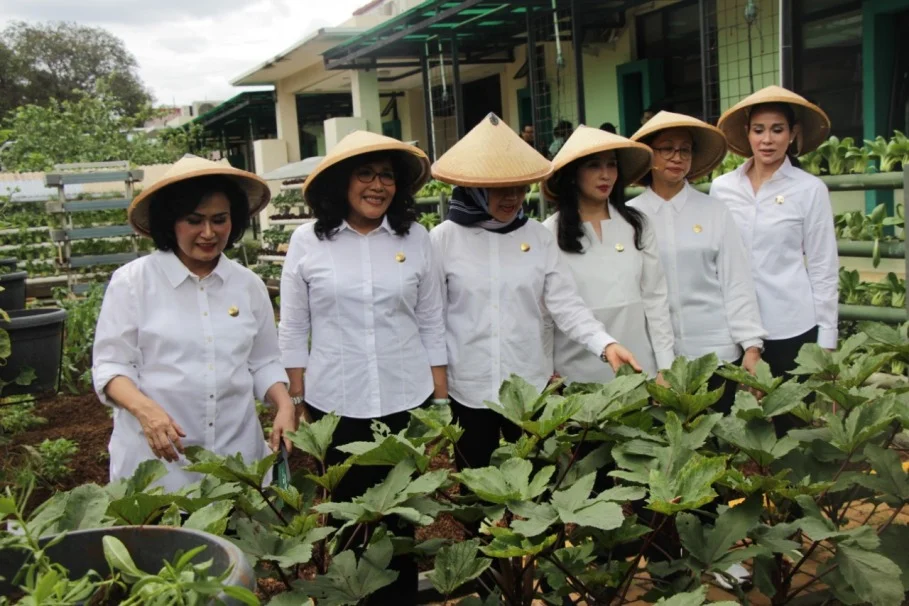
Indonesian Deputy Minister of Environment, Diaz Hendro Priyono, has called on citizens to engage in flood prevention efforts in the Jabodetabek area through the use of biopori technology. This announcement was made during the distribution of biopori units to 10 villages in the Cisarua region, where 50 units were delivered to each village as part of the celebration of World Water Day.
Diaz emphasized that having biopori units in every home will contribute to reducing water accumulation, helping to achieve a balance in water levels and decreasing flood risks. He stressed the importance of planting trees alongside the establishment of these units, stating that every household should plant at least one tree.
Event Details
The biopori units were distributed in the Cisarua area, which is part of the Ciliwung River Basin, an area that requires water balance maintenance. Diaz noted that this initiative is part of the government's efforts to protect the environment and ensure the sustainability of water resources.
Seedlings were also delivered, along with three units of inflatable boats and tools for creating biopori. A total of 1,500 trees were planted in the Gunung Mas Agro Tourism area, reflecting the government's commitment to environmental protection and raising environmental awareness among citizens.
Background & Context
Flooding is one of the major environmental challenges in Indonesia, with many regions facing flood risks due to climate change and rapid urban growth. The Jabodetabek area, which includes the capital city Jakarta, has experienced numerous floods in recent years, prompting the government to take urgent action to address this issue.
The biopori technique, which involves digging holes in the ground to improve water absorption, is an effective solution that can help reduce flood risks. This technique has been implemented in various regions around the world, demonstrating its effectiveness in water management.
Impact & Consequences
The Indonesian government aims to enhance environmental awareness among citizens through these initiatives and encourage their participation in environmental conservation efforts. Additionally, the use of biopori can help improve water quality and reduce pollution, benefiting the community as a whole.
These efforts are part of a comprehensive strategy aimed at achieving sustainable development, focusing on preserving natural resources and ensuring their sustainability for future generations.
Regional Significance
Many Arab countries face similar challenges regarding water management and flooding. These countries could benefit from Indonesia's experiences in utilizing technologies like biopori to improve water management and reduce flood risks.
Enhancing environmental awareness and community participation in conserving natural resources is essential for addressing environmental challenges in the Arab region, necessitating the exchange of experiences and practices among countries.