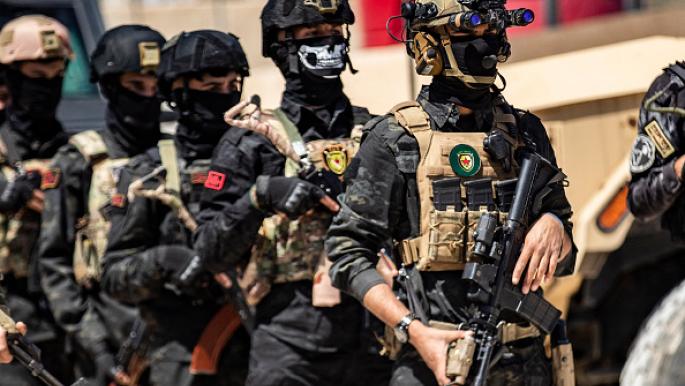
Ahmad Al-Hilali, the spokesperson for the presidential team responsible for implementing the agreements signed on January 29 with the Syrian Democratic Forces (SDF), confirmed that the commander of these forces, Mazloum Abdi, has pledged to cease all political arrests. This announcement comes at a time when the region urgently needs to calm tensions and improve humanitarian conditions for local residents.
The Syrian Democratic Forces are making efforts to rebuild trust with the population, as political arrests have been one of the most controversial points affecting their relations with the community. This step may represent a new beginning for reconciliation efforts between the SDF and the local population from various Kurdish and Arab components.
Details of the Announcement
During a meeting with representatives from various political factions, Ahmad Al-Hilali stated that the commitment was part of the armed groups' adherence to the understanding reached in signed agreements. Such statements are seen as a significant humanitarian undertaking, as mass arrests have caused considerable suffering among Syrians, prompting many to protest against them in recent months.
Additionally, the return of Peshmerga forces to operate in the area was addressed. Al-Hilali explained that discussions are ongoing regarding how to activate the presence of these forces as a measure to ensure security and stability in predominantly Kurdish areas. Many observers believe that the presence of Peshmerga could help alleviate current tensions and restore hope among residents.
Background & Context
Northern Syria has witnessed numerous catastrophic events over the past years due to ongoing conflict and civil wars. The Syrian Democratic Forces have played a prominent role in fighting against the terrorist organization ISIS. However, complaints related to political arrests highlight the nature of the relationships between these forces and the community.
In recent years, the SDF faced severe criticism for its conduct towards political opponents, which has widened the gap between them and certain segments of the local population. Overcoming these issues requires serious steps from military and political leaders.
Impact & Consequences
The new commitments are expected to improve relations between the SDF and the local community, which would positively impact the security situation in northern Syria. The spread of news regarding the cessation of political arrests may enhance dialogue among various components and could encourage humanitarian organizations to return and contribute to reconstruction efforts.
If commitments are effectively implemented, a form of illusory stability may be witnessed in the coming period. However, the sustainability of this atmosphere remains in question, necessitating the concerted efforts of all involved parties to prevent the recurrence of past mistakes.
Regional Significance
Events in northern Syria have strategic importance for the Arab region. The improvement of security conditions in Syria is likely to affect neighboring countries, particularly Iraq, which also faces similar issues related to extremism and political arrests.
This commitment could encourage Arab nations to provide more support for Syria's reconstruction and restoration of stability. Should there be a genuine transformation, these improvements may contribute to advancing reconciliation efforts throughout the region.
Ultimately, these developments may represent a turning point in how security situations in northern Syria are managed. They provide hope for a future characterized by improved cooperation among various segments and active parties in the Syrian arena.