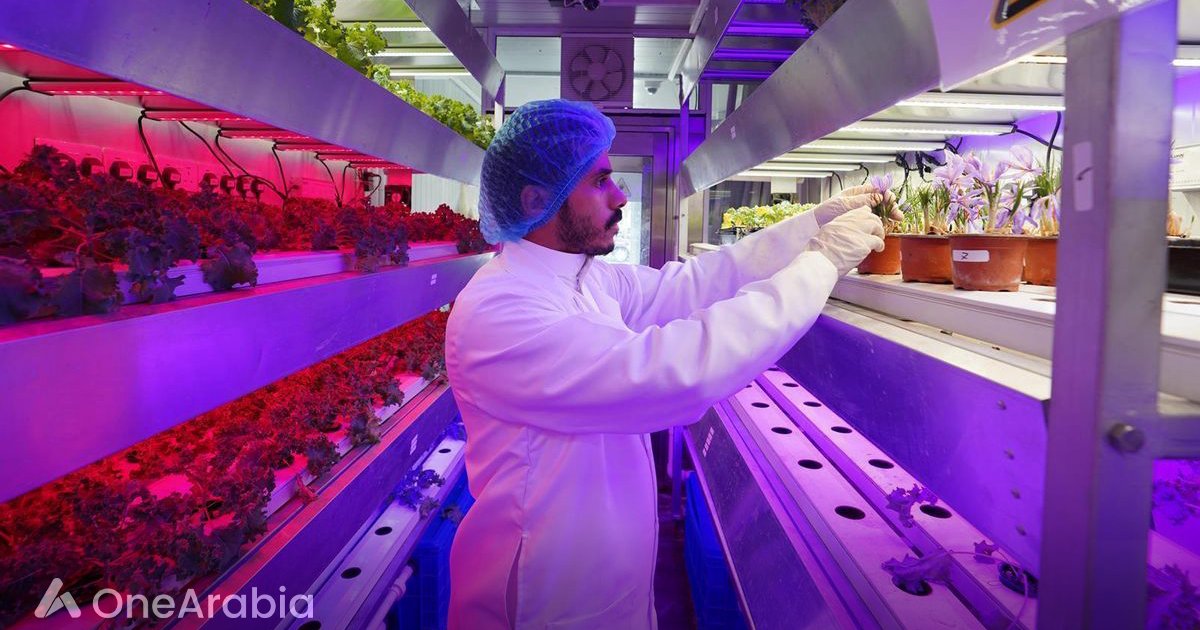
Saudi saffron, classified as first class, stands out as one of the valuable crops enhancing Al-Ula's status as a leading agricultural destination. This luxurious crop, known for its high quality, contributes to achieving sustainable development goals and reflects a trend towards cultivating economically significant crops.
Al-Ula, renowned for its unique terrain and rich history, is an ideal location for saffron cultivation, providing suitable climatic conditions and rich soil. These factors have contributed to the successful cultivation of saffron in the region, making it a preferred destination for farmers and investors.
Event Details
The cultivation of saffron in Al-Ula is distinguished by its high quality, with flowers being harvested manually during a short period of the year. Modern agricultural techniques are employed to ensure the highest quality levels, making Saudi saffron in demand in global markets.
The Saudi government aims to promote the cultivation of high-value crops like saffron as part of Vision 2030, which seeks to diversify the economy and reduce reliance on oil. Saffron is considered one of the crops that can contribute to achieving these goals.
Background & Context
The history of saffron dates back thousands of years, where it was used in cooking and medicine. With the increasing global demand for this crop, many countries have begun cultivating it. In recent years, Saudi Arabia has started investing its natural resources to develop saffron cultivation, reflecting a shift towards sustainable agriculture.
Al-Ula is part of Saudi Arabia's cultural heritage and has been included in the UNESCO World Heritage list. This global interest enhances investment opportunities in agriculture, making Al-Ula an important center for modern farming.
Impact & Consequences
The cultivation of saffron in Al-Ula contributes to creating new job opportunities, thereby boosting the local economy. The success of this crop can encourage farmers to invest more in high-value crop cultivation, contributing to achieving food security.
Moreover, Saudi saffron can open new avenues for export, enhancing the Kingdom's position in global markets. This trend can help improve the image of Saudi agriculture on an international level.
Regional Significance
The saffron cultivation experience in Al-Ula serves as a model for other Arab countries, where they can benefit from this experience to enhance the cultivation of high-value crops. This can contribute to achieving sustainable development in the region.
Additionally, the success of Saudi saffron can encourage other Arab nations to invest their natural resources in cultivating premium crops, thereby enhancing economic diversity in the region.
In conclusion, Saudi saffron, classified as first class, represents not just an agricultural product but a symbol of agricultural advancement in Al-Ula, reflecting the trend towards achieving sustainable development in the Kingdom.