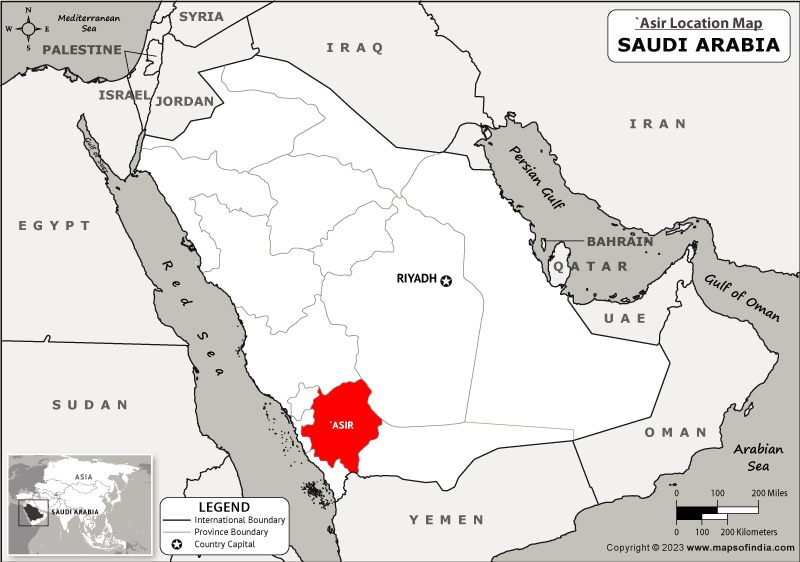
The Saudi government is moving towards enhancing efforts in beekeeping and increasing honey production in the Asir region, where these initiatives are part of a comprehensive strategy aimed at developing the agricultural sector and achieving food security. These steps come at a time when the world is witnessing a growing interest in sustainable agriculture and natural products.
The Asir region is rich in natural resources, providing a suitable climate for beekeeping and honey production. Studies have shown that honey produced in this area is of high quality, making it a focal point for both local and international consumers.
Event Details
As part of these efforts, the Saudi Ministry of Environment, Water, and Agriculture has launched a series of training programs for farmers, aimed at improving their skills in beekeeping and honey production. Financial and technical support has also been provided to farmers wishing to enter this field, contributing to increased production and improved product quality.
The initiatives also include organizing exhibitions and events to promote local honey, showcasing various products and highlighting their health benefits. These events provide an opportunity for farmers to connect with consumers and raise awareness about the importance of honey as a natural product.
Background & Context
Beekeeping and honey production have a long history in Saudi Arabia, where these activities have been part of the cultural and agricultural heritage of the region. With the increasing demand for natural and healthy products, it has become essential to enhance this sector to ensure its sustainability and development.
The Saudi government aims to achieve Vision 2030, which seeks to diversify the economy and reduce dependence on oil. Developing agriculture, including beekeeping, is a crucial part of this vision, as it contributes to creating new job opportunities and enhancing food security.
Impact & Consequences
These efforts are expected to contribute to an increase in local honey production, enhancing the Kingdom's ability to meet local market needs and reducing reliance on imports. Furthermore, improving the quality of Saudi honey may open new avenues for export, benefiting the national economy.
Moreover, enhancing beekeeping contributes to environmental improvement by increasing pollination for plants, positively impacting biodiversity in the region. Thus, these initiatives are not only economic but also environmental.
Regional Significance
The Asir experience in enhancing beekeeping serves as a model that can be emulated in other Arab countries, many of which face challenges in food security. These initiatives could foster regional cooperation and knowledge exchange among Arab nations.
Additionally, increasing awareness of the importance of beekeeping and honey production can encourage local communities in Arab countries to adopt sustainable agricultural practices, contributing to improved economic and social conditions.
In conclusion, the Saudi government's efforts to enhance beekeeping and honey production in Asir represent an important step towards achieving sustainable development, emphasizing the significance of agriculture as a vital sector in the national economy. Through these initiatives, the Kingdom can contribute to enhancing food security and achieving Vision 2030.