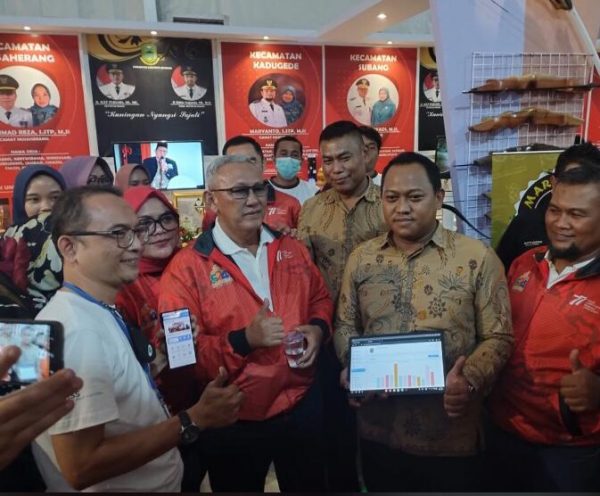
The government of Kuningan, located in West Java, Indonesia, has announced the enhancement of oversight on the 'Free Nutritious Meals' (MBG) program through an integrated digital system. This announcement is part of the government's efforts to ensure the program is implemented transparently and effectively, as emphasized by the district's secretary, O Kusmana, stating that this step reflects the government's commitment to achieving the program's objectives.
Kusmana explained that the government will collaborate with the government of Sumedang, which has previously implemented a similar digital management system, through the 'MBG Monitoring Management' application (MMAGIS). Kuningan is the first region to adopt this system after studying its implementation in Sumedang.
Event Details
During a coordination meeting regarding the MBG program in West Java, Kusmana expressed interest in the integrated digital oversight system that has been applied in Sumedang. After obtaining approval from the Mayor of Kuningan, the local communications and information department was directed to provide technical cooperation with Sumedang. This collaboration received a positive response from the Sumedang government, which has now entered the stage of drafting a cooperation agreement.
The MMAGIS application is comprehensively designed to monitor the program's implementation on the ground, allowing the public and stakeholders to access data instantly, including the number of beneficiaries, a map of kitchen distributions, and a schedule of daily and weekly meals.
Background & Context
This development is part of the ongoing efforts by the Indonesian government to combat malnutrition, especially among children. The MBG program is considered part of a national strategy aimed at improving nutrition quality and reducing stunting rates among children. Studies have shown that malnutrition negatively impacts children's growth and mental development, necessitating effective and swift action.
The Indonesian government seeks to improve local governance by enhancing the use of digital technology in various social programs, reflecting the global trend towards e-government.
Impact & Consequences
The implementation of MMAGIS is expected to contribute to increased transparency and accountability in the execution of the MBG program, thereby enhancing trust between the government and citizens. Additionally, this digital system will enable better performance monitoring, which may lead to improved quality of services provided.
Moreover, the use of technology in social programs may encourage innovation in service delivery, opening avenues for developing new solutions to longstanding issues such as malnutrition.
Regional Significance
Kuningan's experience in enhancing digital oversight on free nutrition programs could serve as a model for Arab countries, many of which face similar challenges in addressing malnutrition. Arab nations can benefit from this experience to develop similar systems that enhance transparency and efficiency in implementing social programs.
In conclusion, this development represents a positive step towards improving nutrition quality in Indonesia and reflects the importance of using technology to enhance the effectiveness of government programs. The success of this system may pave the way for further innovations in social service delivery.