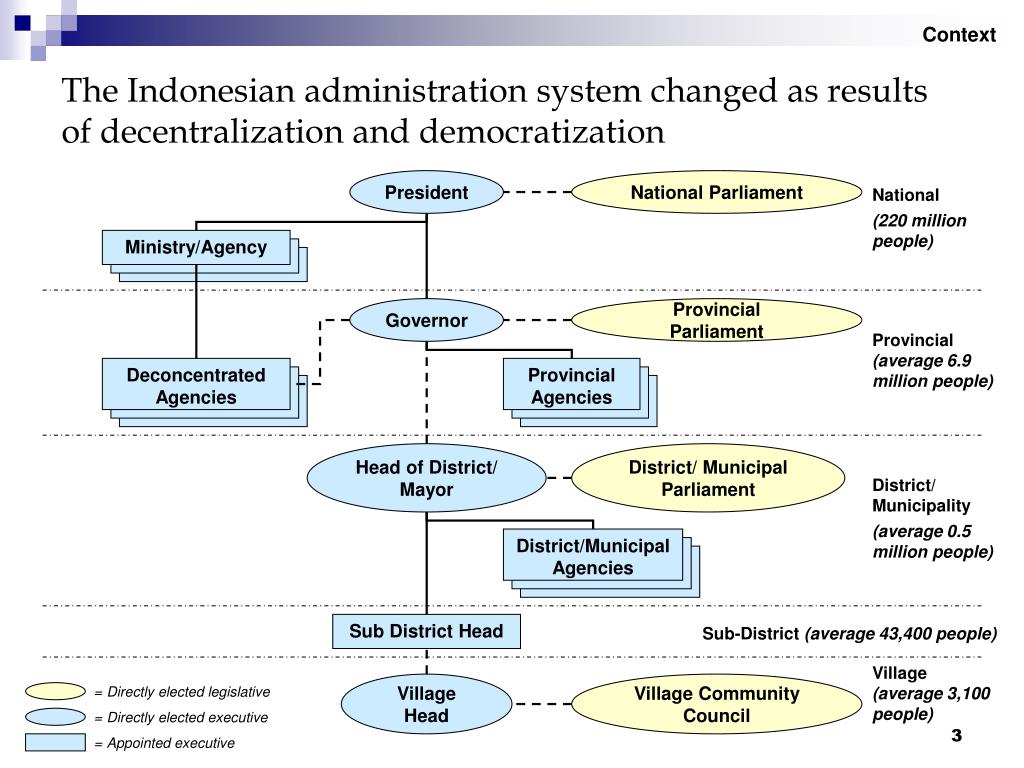
Mohammad Khozin, a member of the Indonesian Parliament's Internal Affairs Committee, stated that the implementation of the autonomy system over the past 30 years should enhance the independence of local governments rather than increase their dependence on the central government. He noted that the autonomy system has provided local governments with the opportunity to innovate and accelerate development in line with the characteristics of each region.
However, many areas, especially those that emerged from new administrative divisions, still face significant obstacles in achieving financial and administrative independence. Khozin pointed out that there has been notable progress over the past thirty years, but clear disparities remain, as many regions still heavily rely on financial transfers from the central government.
Details of Local Government Challenges
Khozin called on the central government not to relent in monitoring the performance of local governments, especially in remote areas and newly established regions, which require continuous support and oversight to ensure they do not regress. Since the implementation of the autonomy system in Indonesia, the goal has been to enhance the capacity of local governments to manage their affairs independently, but challenges such as a lack of financial resources hinder the achievement of this goal.
In recent years, many reforms have been introduced to strengthen autonomy, but actual implementation still faces difficulties. Local governments need to be bolder in making strategic decisions that align with the needs of their communities.
Historical Context of Centralized Power
Historically, Indonesia has relied on centralized power, making it difficult for remote areas to achieve sustainable development. The challenges faced by some regions, such as a lack of financial resources and institutional capacities, impede the realization of the desired objectives of autonomy.
Consequences of Local Government Independence
The independence of local governments is vital for achieving sustainable development in Indonesia. If regions can attain financial and administrative independence, it will contribute to improving the quality of public services and fostering innovation. Failure to achieve this goal may exacerbate developmental gaps between different regions, necessitating the enhancement of autonomy to support local democracy.
Regional Significance of Local Governance
Strengthening local government independence is crucial for fostering democratic practices and ensuring equitable development across Indonesia. By empowering local authorities, the government can ensure that development initiatives are more responsive to local needs and conditions.
In conclusion, the call for enhanced local government independence reflects a broader need for structural changes that can lead to more effective governance and sustainable development in Indonesia.