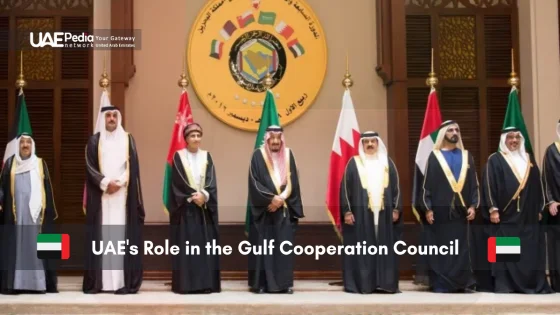
The Gulf economic integration is one of the most prominent strategic goals of the Gulf Cooperation Council (GCC) member states, as they seek to enhance economic and trade cooperation among themselves. In recent years, important steps have been taken towards achieving this goal, reflecting the commitment of member states to promote growth and stability in the region.
Reports indicate that Gulf economic integration encompasses a range of initiatives, including the establishment of a free trade area and the unification of economic policies. These steps aim to facilitate the movement of goods and services among member states, contributing to the enhancement of intra-regional trade and increasing investments.
Event Details
As part of this integration, a series of joint projects have been announced, including infrastructure development and enhanced cooperation in the fields of energy and technology. Several conferences and workshops have also been organized to promote dialogue between the public and private sectors, contributing to the achievement of common objectives.
Moreover, initiatives aimed at improving the business environment and facilitating customs procedures have been launched, reflecting the commitment of member states to enhance economic cooperation. These efforts come at a time when the global economy faces significant challenges, making regional cooperation essential.
Background & Context
The Gulf Cooperation Council was established in 1981 with the aim of enhancing cooperation among member states in various fields, including economics and security. Since then, the region has witnessed numerous economic and political changes, making it necessary to enhance economic integration as a means to address common challenges.
Over the years, many achievements have been made in this area, including the establishment of the Gulf Common Market and the implementation of a unified customs tariff. However, challenges still remain regarding integration, such as differing economic policies among member states.
Impact & Consequences
The Gulf economic integration is considered an important step towards enhancing stability and growth in the region. By fostering cooperation among member states, significant economic benefits can be achieved, including increased investments and job creation.
This integration can also contribute to enhancing the region's competitiveness on a global scale, making it an attractive destination for foreign investments. In light of global economic challenges, strengthening regional cooperation becomes essential for achieving sustainable development.
Regional Significance
The Gulf economic integration serves as a model for other Arab countries, as it can contribute to enhancing cooperation among Arab states and achieving sustainable development. By exchanging experiences and promoting intra-Arab trade, Arab countries can realize significant economic benefits.
In conclusion, Gulf economic integration represents an important step towards enhancing cooperation and integration in the region, contributing to achieving sustainable development and economic growth.