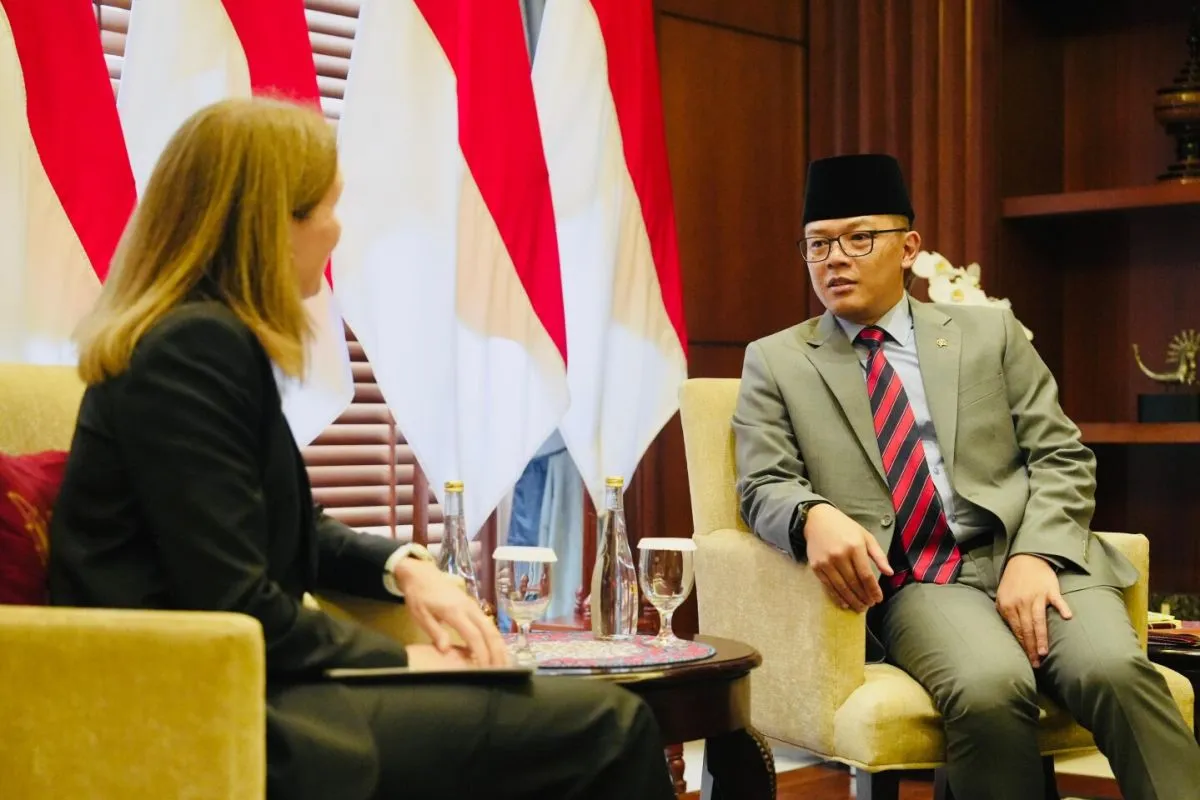
Bernardus Sadarmenta, the General Director of PLN Indonesia Power, emphasized that cooperation among countries is essential to accelerate the transition to clean energy in Southeast Asia. This statement was made during a visit by a delegation from Vietnam Electricity (EVN) to the hydrogen center in Jakarta, where ideas and experiences were exchanged regarding the development of clean energy technologies.
Sadarmenta pointed out the importance of international partnerships in enhancing innovation and increasing capacities, which strengthens Indonesia's role in the global sustainable energy system. He explained that this visit is part of a knowledge exchange program between EVN and PLN, aimed at improving the efficiency of thermal power plants.
Event Details
On Thursday, April 2, 2026, the hydrogen center in Jakarta welcomed a delegation from Vietnam Electricity, where educational exchange activities were organized. Several officials from both sides attended this event, including Deputy Director of Phu My Thermal Power under EVN, Le Vu Trong, and Deputy Director of the Operations Services Center, Nguyen Zuan Hai.
PLN was represented by a group of officials, including the Vice President of Business Development in Decarbonization and Energy Management, Ricky Kahya Andrian, and the Engineering Director at PLN Indonesia Power, Ari Rahmet. Ricky Kahya emphasized the importance of hydrogen development as part of PLN's strategy to support decarbonization goals in the energy sector.
Background & Context
The Southeast Asia region is considered one of the most challenged areas in terms of energy, as many countries rely on fossil fuels. With increasing global pressures to transition to clean energy sources, countries in the region have begun seeking innovative solutions. Indonesia has shown a strong commitment to developing clean energy technologies, including hydrogen, as part of its national strategy.
Historically, Indonesia has heavily relied on coal and oil to meet its energy needs. However, global shifts towards sustainable energy have prompted the country to reassess its strategies. Collaborating with neighboring countries like Vietnam is a strategic step towards exchanging knowledge and experiences.
Impact & Consequences
Enhancing regional cooperation in clean energy can lead to improved production efficiency and reduced carbon emissions. Additionally, partnerships among regional companies will help accelerate innovation and develop new technologies, enhancing the region's ability to tackle environmental challenges.
Moreover, the transition to clean energy will contribute to improved energy security in the region, as countries will become less dependent on imported fossil fuels. This shift can open new avenues for investment in renewable energy projects.
Regional Significance
Arab countries also face similar challenges in the energy sector, with many relying on oil and gas. Regional cooperation in clean energy can serve as a model for Arab nations. By exchanging knowledge and experiences, Arab countries can enhance their capabilities in renewable energy.
Furthermore, investing in clean energy technologies can contribute to achieving sustainable development goals in the region, strengthening Arab countries' ability to address environmental and economic challenges.