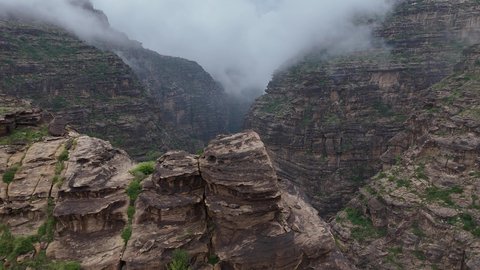
Neem trees are vital plant species that play a crucial role in enhancing environmental sustainability in the Jazan region. These trees are characterized by their ability to adapt to harsh climatic conditions, contributing to improved air quality and providing shade, which enhances the quality of life for residents.
Neem trees are utilized in various environmental applications, including combating desertification and improving soil quality. They are also an important source of natural resources, with their leaves used in traditional medicine and as food for many animals.
Event Details
Neem trees are widely planted in Jazan, being a preferred species in afforestation projects. Relevant authorities are striving to increase the areas planted with these trees due to their numerous benefits for the environment and community. This trend reflects a growing interest in environmental sustainability and the preservation of natural resources.
These trees enhance biodiversity in the region, providing habitats for numerous living organisms. They also help reduce temperatures in urban areas, contributing to improved living conditions for residents.
Background & Context
Jazan is a region rich in natural resources, enjoying a climate suitable for growing many plant species. With increasing environmental challenges, it has become essential to promote the cultivation of trees like neem, which are considered effective solutions to these challenges.
Historically, neem trees have been used in various cultures as symbols of health and prosperity. As environmental awareness has evolved, there has been a growing interest in replanting these trees in areas affected by climate change.
Impact & Consequences
The cultivation of neem trees is a strategic step toward achieving sustainable development in Jazan. These efforts can contribute to improving air and water quality, enhancing public health, and reducing pollution-related diseases.
Moreover, increasing green spaces enhances the region's tourist appeal, supporting the local economy. This shift in focus toward environmental sustainability is part of a broader vision aimed at improving quality of life in the Kingdom.
Regional Significance
The experience of Jazan in cultivating neem trees serves as a model for many Arab countries facing similar environmental challenges. These initiatives can help raise environmental awareness and encourage communities to adopt sustainable practices.
Furthermore, promoting environmental sustainability is part of regional efforts to combat climate change, enhancing cooperation among Arab nations in this field.
In conclusion, neem trees in Jazan symbolize environmental sustainability and quality of life. By promoting their cultivation, the Kingdom can contribute to achieving sustainable development goals and enhancing environmental awareness among its residents.