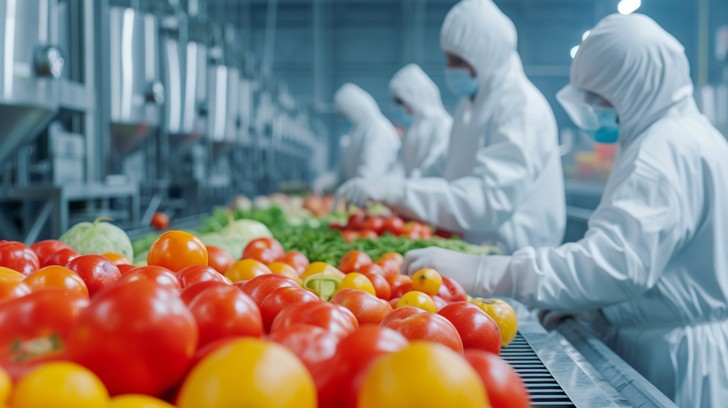
The Egyptian Food Safety Authority has announced the continuation of its inspection and monitoring activities, even with the implementation of remote work. This decision is part of the authority's efforts to ensure the safety and quality of food products circulating in the Egyptian markets.
The authority seeks to enhance its regulatory measures under the current circumstances, focusing on monitoring the quality and safety of both imported and local food products. This approach reflects the authority's commitment to protecting public health and ensuring the availability of safe food.
Details of the Ongoing Inspections
The Food Safety Authority continues to carry out its regulatory tasks through inspection teams deployed across various governorates. Regular inspections are conducted on food establishments and warehouses, in addition to testing products before their release from customs. Remote work is part of the precautionary measures to combat the COVID-19 pandemic; however, the authority has confirmed that this will not affect the quality of the services provided.
The authority also clarified that it employs modern technology in its inspection processes, facilitating a more effective monitoring of food products. This includes the use of electronic systems for data recording and analysis, which aids in making quick and effective decisions.
Background & Context
The Food Safety Authority in Egypt was established as an independent entity aimed at ensuring food safety and quality. The importance of this authority has increased in recent years, especially with growing concerns about food safety amid the rise of foodborne illnesses. The authority has issued numerous laws and regulations aimed at regulating the food market and ensuring its safety.
These efforts coincide with the challenges faced by the country due to the COVID-19 pandemic, where remote work has become part of daily life. Nevertheless, the authority recognizes the importance of effective food monitoring to ensure public health.
Impact & Consequences
The continuation of inspections and monitoring despite the implementation of remote work reflects the authority's commitment to protecting public health. This decision also enhances confidence in the Egyptian food system and encourages consumers to purchase local products. On the other hand, this approach may impact food companies that could face challenges in adapting to the new procedures.
This decision is a positive step towards enhancing food safety and may contribute to improving the reputation of Egyptian products in international markets. It also reflects the authority's ability to adapt to changing conditions without compromising the quality of services provided.
Regional Significance
The experience of the Food Safety Authority in Egypt serves as a model for other Arab countries, many of which face similar challenges in food safety. Strengthening food monitoring can contribute to improving public health and reducing the spread of foodborne diseases.
Arab countries are looking to enhance cooperation in the field of food safety, which may lead to the exchange of expertise and modern technologies. The success of the Food Safety Authority in Egypt may encourage other countries to take similar steps to enhance food safety in their markets.
In conclusion, the commitment of the Food Safety Authority in Egypt to implement effective monitoring despite current challenges is an important step towards ensuring public health and food safety.