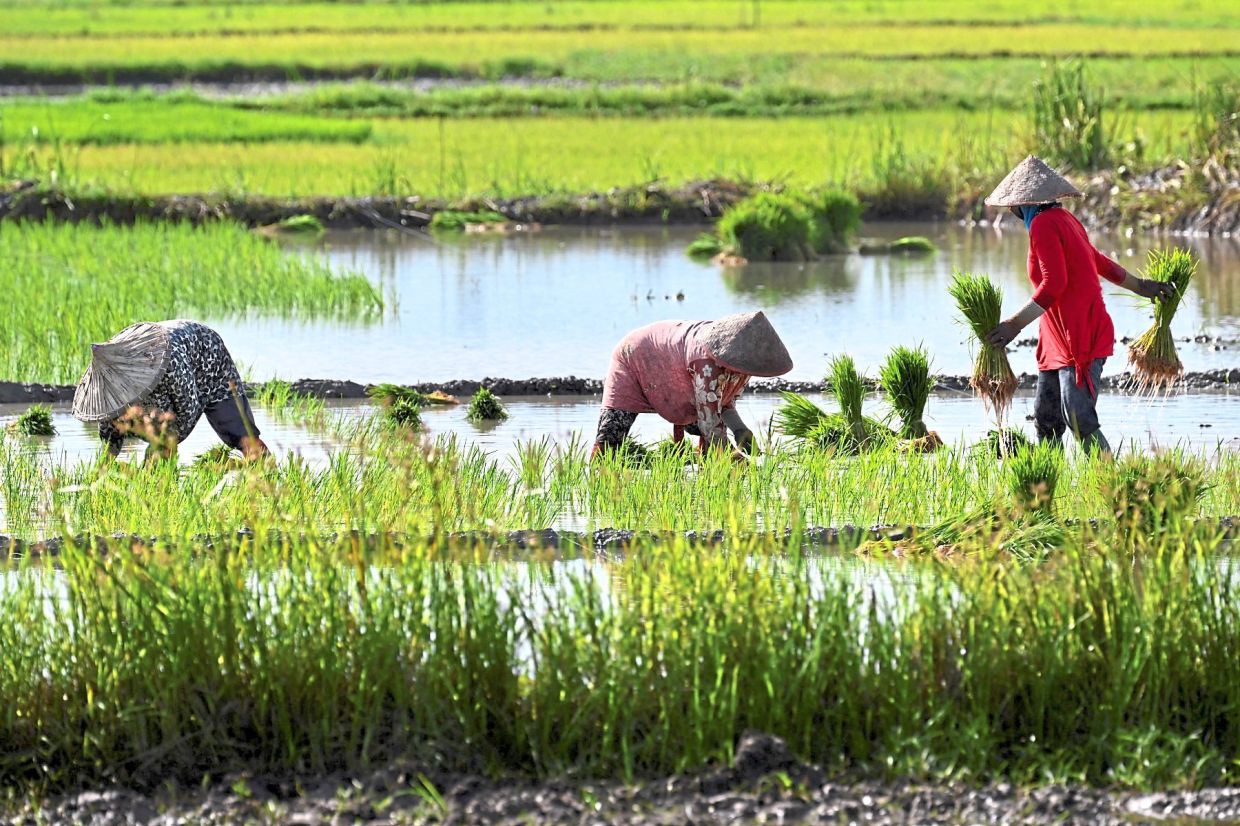
Recent reports indicate that food production alone is insufficient to guarantee people's access to food, as it requires improvements in income levels, logistics, and market integration. In light of global economic challenges, it has become clear that self-sufficiency in food production is not the only solution to ensure food security. Economic and social factors play a crucial role in determining individuals' ability to access food.
Concerns about food security are increasing in many countries, especially amid economic and environmental crises affecting agricultural production. Studies suggest that the gap between food production and population needs is widening, necessitating a reevaluation of food security strategies.
Details of the Issue
The issue of food security requires looking at several aspects, including income and living standards. Even if countries are capable of producing large quantities of food, this does not guarantee that all citizens can afford it. In many developing countries, poverty remains a significant barrier to accessing sufficient food, leading to widespread malnutrition.
Moreover, logistics play a vital role in food distribution. Even in countries that produce ample food, transportation and distribution problems can lead to significant food waste, exacerbating the food security crisis. Therefore, improving transportation and distribution infrastructure is essential to ensure food reaches all social strata.
Background & Context
Historically, many countries relied on self-sufficiency as a primary strategy to ensure food security. However, global economic crises, such as the food crisis in 2008, have proven that these strategies may be inadequate. That crisis led to rising food prices and instances of famine in some countries, prompting governments to reassess their food policies.
In recent years, many countries have begun adopting new strategies focused on integration into global markets, allowing them to benefit from available food resources elsewhere. This shift also requires significant investments in agricultural technology and infrastructure.
Impact & Consequences
The repercussions of the food security crisis extend beyond national borders, affecting political and economic stability. Inability to secure food can lead to social protests and increased crime rates. Additionally, countries experiencing food shortages may face difficulties attracting foreign investments, further exacerbating economic conditions.
Therefore, governments need to take effective steps to ensure food security by improving income levels, enhancing logistics, and developing effective market integration strategies. These steps are not only necessary to ensure community stability but also to achieve sustainable development.
Regional Significance
Arab countries face significant challenges in food security, as many rely on food imports. Amid political and economic crises, it has become essential for these countries to reassess their food strategies. Focusing on improving local production, along with enhancing income levels and logistics, can contribute to strengthening food security in the region.
Ultimately, ensuring food security in the Arab world requires comprehensive strategies that consider all influencing factors, from production to distribution, to guarantee that everyone can access sufficient food.