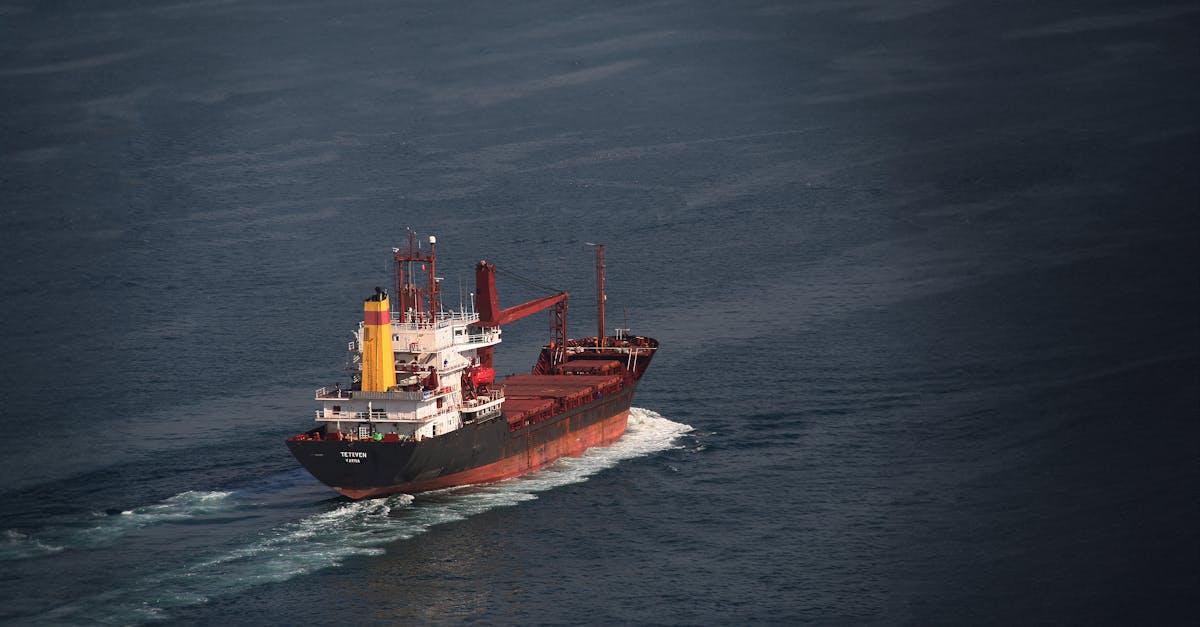
Navigation freedom in the Strait of Hormuz is crucial for regional security and the global economy. This strait serves as a primary transit point for oil and gas, making it a focal point for geopolitical tensions. In recent years, concerns have escalated regarding potential threats that could impede vessel movement, necessitating the assurance of navigation freedom in this strategic region.
The importance of the Strait of Hormuz, which connects the Arabian Gulf to the Gulf of Oman, is increasing, as approximately 20% of total global oil exports pass through it. This strait is considered a lifeline for global economies, with many countries relying on it to secure energy supplies. Therefore, any threat to navigation freedom could lead to rising oil prices and destabilize the economy.
Recent Developments in the Region
Recently, the region has witnessed heightened tensions among major powers, with Iran being one of the key players in this equation. Iran has conducted military maneuvers in the area, raising concerns among neighboring countries and the United States. In this context, several nations have emphasized the necessity of maintaining navigation freedom in the Strait of Hormuz, stressing the importance of international cooperation to ensure safe navigation.
Western officials have indicated that any aggression against navigation freedom in the strait would be met with strong responses, as this issue is of strategic importance to national security. Concerned countries are working to bolster their military presence in the region to ensure the safety of commercial vessels.
Background & Context
Historically, the Strait of Hormuz has experienced numerous crises, serving as a stage for military conflicts and political disputes. In the 1980s, during the Iran-Iraq War, the strait was the site of numerous military operations, significantly impacting navigation. Since then, the issue of navigation freedom in this strait has become a focal point for international debate and discussions.
Currently, fears are rising over escalating tensions between Iran and Western nations, especially following the United States' withdrawal from the nuclear agreement. This withdrawal has intensified tensions, making navigation freedom in the Strait of Hormuz a particularly important topic in international politics.
Impact & Consequences
Any threat to navigation freedom in the Strait of Hormuz could have serious repercussions for the global economy. Rising oil prices due to unstable navigation could affect all oil-importing countries, leading to increased energy costs and impacting economic growth.
Moreover, any military escalation in the region could lead to a broader conflict, threatening regional security and affecting the stability of neighboring countries. Therefore, ensuring navigation freedom in the strait is essential for maintaining peace and stability in the region.
Regional Significance
The Arab countries bordering the Arabian Gulf are the most affected by developments in the Strait of Hormuz. These countries heavily rely on their oil exports, and any threat to navigation freedom could negatively impact their economies. Thus, cooperation among these nations to ensure safe navigation in the strait is vital.
In conclusion, navigation freedom in the Strait of Hormuz remains a central issue that requires ongoing international attention. Ensuring safe navigation in this strategic area is not only in the interest of the bordering countries but also for the benefit of the global economy as a whole.