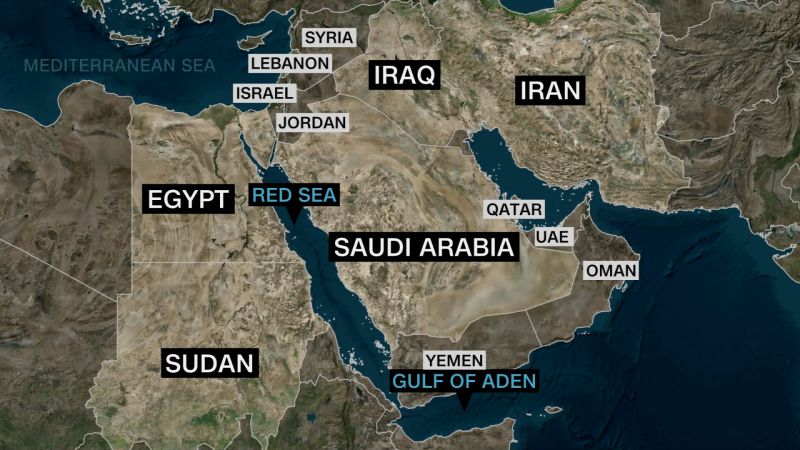
Conflicts in the region continue to escalate, raising concerns about regional stability. The humanitarian situation is deteriorating, increasing the need for urgent solutions.
Reports indicate that the conflict shows no signs of easing, as the warring parties continue to exchange attacks, exacerbating the suffering of civilians. Under these circumstances, there is an urgent need for effective international intervention to put an end to this ongoing war.
Details of the Event
Recently, the region has witnessed an increase in the intensity of clashes, with battles concentrated in several strategic areas. Reports indicate that the number of civilian casualties is continuously rising, highlighting the catastrophic impact of the conflict on people's lives.
The reasons behind the continuation of these conflicts are numerous, ranging from political tensions to economic struggles. Additionally, external interventions play a significant role in fueling the conflict, making it difficult to reach a lasting solution.
Background & Context
Historically, the region has experienced multiple conflicts, with armed disputes being part of the political and social landscape for decades. These wars have not only affected the countries involved but have also had wide-ranging implications for regional stability.
Many factors intertwine in these conflicts, including sectarian and ethnic divisions, as well as competition for resources. These factors make it challenging to achieve peace, as the parties continue to arm themselves and bolster their positions.
Impact & Consequences
The repercussions of these wars transcend national borders, affecting regional security and heightening tensions between countries. Moreover, the humanitarian crises resulting from the conflicts lead to a flow of refugees, placing additional pressure on neighboring countries.
These conditions also impact the regional economy, disrupting trade and increasing rates of poverty and unemployment. Under these circumstances, achieving sustainable development becomes increasingly difficult.
Regional Significance
These conflicts serve as a wake-up call for Arab countries, highlighting the need to enhance regional cooperation and develop effective strategies to address crises. There must be a consensus among Arab nations on the necessity of working together to achieve stability.
Ultimately, the current situation requires urgent action from the international community, with coordinated efforts needed to end the conflicts and provide humanitarian assistance to those affected. The continuation of these wars not only threatens regional security but also impacts the future of upcoming generations.