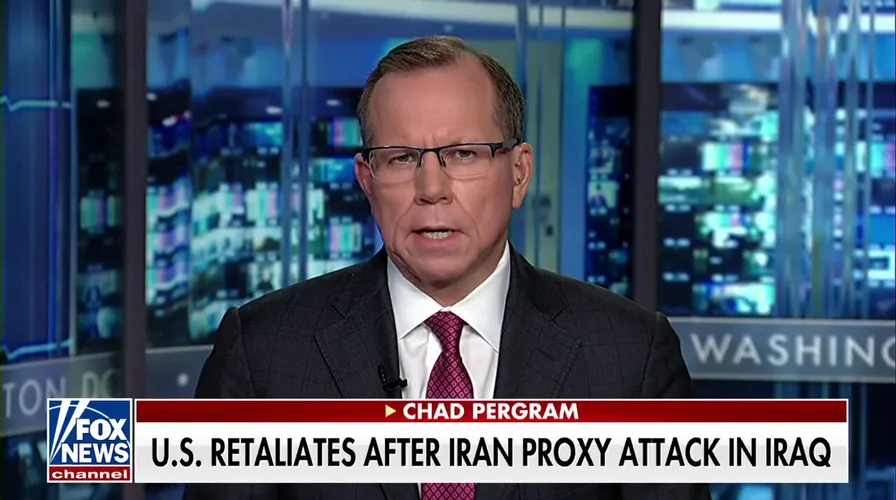
Iraqi armed factions, aligned with the 'Islamic Resistance in Iraq' coalition, have ramped up their operations against American bases and interests in the region, viewing them as legitimate targets of resistance. This escalation comes at a time of increasing tension in U.S.-Iran relations, as President Donald Trump has threatened to carry out strikes on civilian facilities in Iran.
At the same time, Washington has warned that it will respond to any attempts to assassinate its diplomats, further heightening tensions in the region. American statements indicate that any attack on its personnel will be met with a severe response, reflecting a growing anxiety over escalating violence.
Details of the Escalation
The military activities of Iraqi armed factions are on the rise, as they have conducted several operations targeting American bases in Iraq. These factions consider the presence of American forces in the country as an occupation, and therefore, they target them as part of their resistance. They have issued statements affirming that any American presence is a legitimate target for them.
This escalation coincides with Trump's remarks indicating the possibility of targeting Iran, complicating the security situation in Iraq. The armed factions see these statements as an opportunity to strengthen their position and increase their operations against American interests.
Background & Context
Historically, Iraq has witnessed ongoing conflicts between armed factions and American forces, especially following the American invasion of Iraq in 2003. The armed factions view themselves as part of the resistance against occupation and are working to enhance their presence in the political and military arena.
With rising tensions between the United States and Iran, Iraqi factions are playing a pivotal role in shaping the course of events. These factions are capitalizing on the volatile political conditions to enhance their influence, which complicates the security landscape in Iraq.
Impact & Consequences
The current escalation could lead to increased violence in Iraq, negatively affecting security and stability in the country. Additionally, any American reaction could exacerbate the situation and heighten tensions in the region.
The impact of these events is not limited to Iraq alone; it extends to neighboring countries, where it could lead to an escalation of regional conflicts. The armed factions may find in these circumstances an opportunity to strengthen their alliances and increase their influence in the region.
Regional Significance
The events in Iraq could affect stability in other Arab countries, especially those suffering from internal conflicts. The rise of violence in Iraq may encourage armed factions in other countries to take similar actions, increasing instability in the region.
In conclusion, the situation in Iraq remains complex, with overlapping regional and international interests, making it difficult to predict the course of events. The current escalation could mark the beginning of a new phase of conflict, requiring the international community to take urgent steps to mitigate tensions.