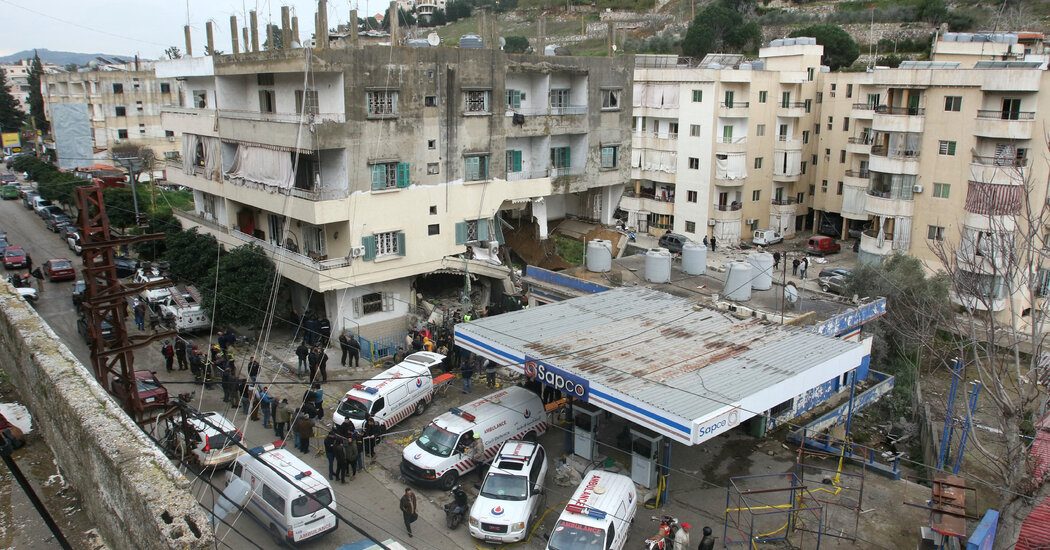
Israeli assaults on Lebanon continue, with increasing intensity of shelling and ongoing massacres claiming the lives of families. The indiscriminate attacks are increasingly targeting residential buildings, raising international concern.
With each passing day, Israeli brutality in its aggression against Lebanon intensifies, as daily reports document mobile massacres that end the lives of entire families. These violent military operations provoke widespread condemnation from the international community, which calls for an urgent halt to these aggressions.
Details of the Incident
Reports indicate that Israeli shelling is concentrated on residential areas, leading to the destruction of buildings and significant damage to infrastructure. The attacks do not distinguish between civilians and combatants, increasing the number of casualties and deepening the suffering of the population.
These attacks continue to escalate, with humanitarian organizations recording a noticeable rise in the number of displaced individuals and casualties. The humanitarian situation in Lebanon is worsening, with a severe shortage of food supplies and medical assistance.
Background & Context
Historically, Lebanon has witnessed multiple conflicts, but the current aggression occurs amidst rising tensions in the region. Relations between Israel and Arab countries have undergone significant changes; however, the situation in Lebanon continues to reflect ongoing challenges.
It is noteworthy that Lebanon is suffering from economic and political crises, complicating the situation further. These circumstances make it difficult for the Lebanese government to respond to the increasing humanitarian crises.
Impact & Consequences
The Israeli aggression against Lebanon leaves profound impacts on both humanitarian and political levels. The escalation of shelling threatens to ignite conditions in the region and may provoke reactions from neighboring countries.
The economic and social repercussions will be far-reaching, as Lebanon is already grappling with a crippling economic crisis. The continuation of the aggression could exacerbate the situation and increase the suffering of citizens.
Regional Significance
The Israeli aggression against Lebanon does not only affect the Lebanese people but extends its impact to neighboring Arab countries. The escalation of tensions may reflect on the relationships between Arab states and Israel, intensifying conflicts in the region.
Moreover, the situation in Lebanon may raise concerns among Western nations, which seek to maintain stability in the region. These events could lead to new international interventions, further complicating the situation.
In conclusion, the Israeli aggression against Lebanon represents a significant challenge to peace and stability in the region. The urgent need to halt these aggressions is becoming increasingly clear, as the international community looks for immediate solutions to end the humanitarian suffering.