The judicial crisis in Libya is escalating significantly, with the Supreme Judicial Council expressing its discontent over a statement issued by the United Nations mission, which announced mediation aimed at addressing existing disputes. These developments come at a sensitive time for the country, complicating the political and judicial landscape.
The controversial UN statement was part of international efforts to mediate between conflicting parties; however, the response from the Supreme Judicial Council highlights the depth of division within the judicial institution. The council deemed the proposed mediation ineffective under the current circumstances, raising questions about the international community's ability to achieve tangible progress on this issue.
Details of the Event
Recent events have unfolded rapidly, with the Supreme Judicial Council expressing dissatisfaction with the manner in which the mediation was announced. The council argued that the statement failed to consider the complexities of the judicial situation in the country, exacerbating the crisis instead of resolving it. Additionally, the council pointed out the urgent need to unify efforts among all concerned parties to ensure justice is served.
Simultaneously, pressures are mounting on the Libyan government to take effective steps to reform the judicial system, which suffers from deep divisions and rampant corruption. These pressures arise amid growing public discontent with the performance of government institutions, further complicating the situation.
Background & Context
Historically, Libya has experienced recurring judicial crises since the overthrow of Muammar Gaddafi's regime in 2011. The security and political situation has deteriorated, negatively impacting the judicial system. Political divisions among various factions have contributed to the exacerbation of these crises, making it difficult to achieve justice.
International mediation is considered one of the tools the global community seeks to employ to improve the situation in Libya. However, past experiences indicate that such mediations often face significant challenges in achieving tangible results, especially in light of internal divisions.
Impact & Consequences
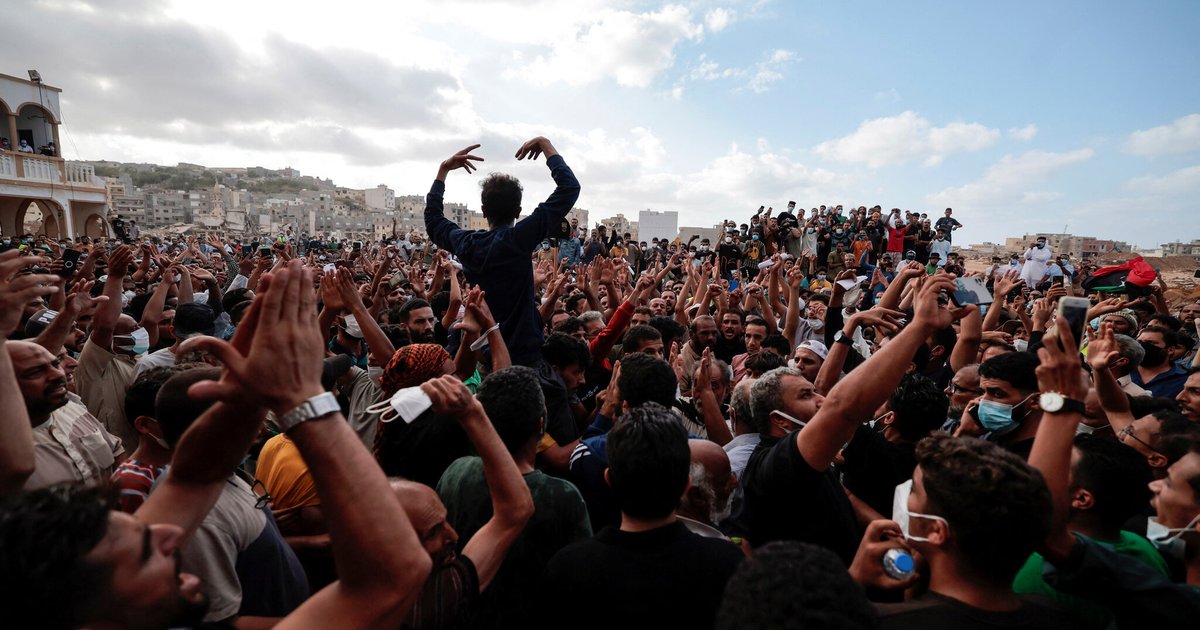
This judicial crisis could worsen conditions in Libya, potentially negatively affecting the country's political and economic stability. Should divisions persist, public protests against the government may increase, intensifying pressures on judicial institutions.
Moreover, the continuation of this crisis could impact Libya's international relations, as trust in the government's ability to manage the country's affairs may decline. This situation could lead to reduced international support, complicating economic and social conditions further.
Regional Significance
The judicial crisis in Libya is not merely an internal issue but has implications for the entire Arab region. The stability of Libya is vital for regional security, as ongoing crises could have negative repercussions on neighboring countries.
Furthermore, failure to address this crisis may encourage the escalation of conflicts in other areas of the region, increasing instability. Therefore, effective solutions to this crisis are essential to ensure overall regional stability.
In conclusion, the judicial crisis in Libya remains a significant challenge for both the international and local communities. It requires concerted efforts from all parties to achieve justice and stability in the country.