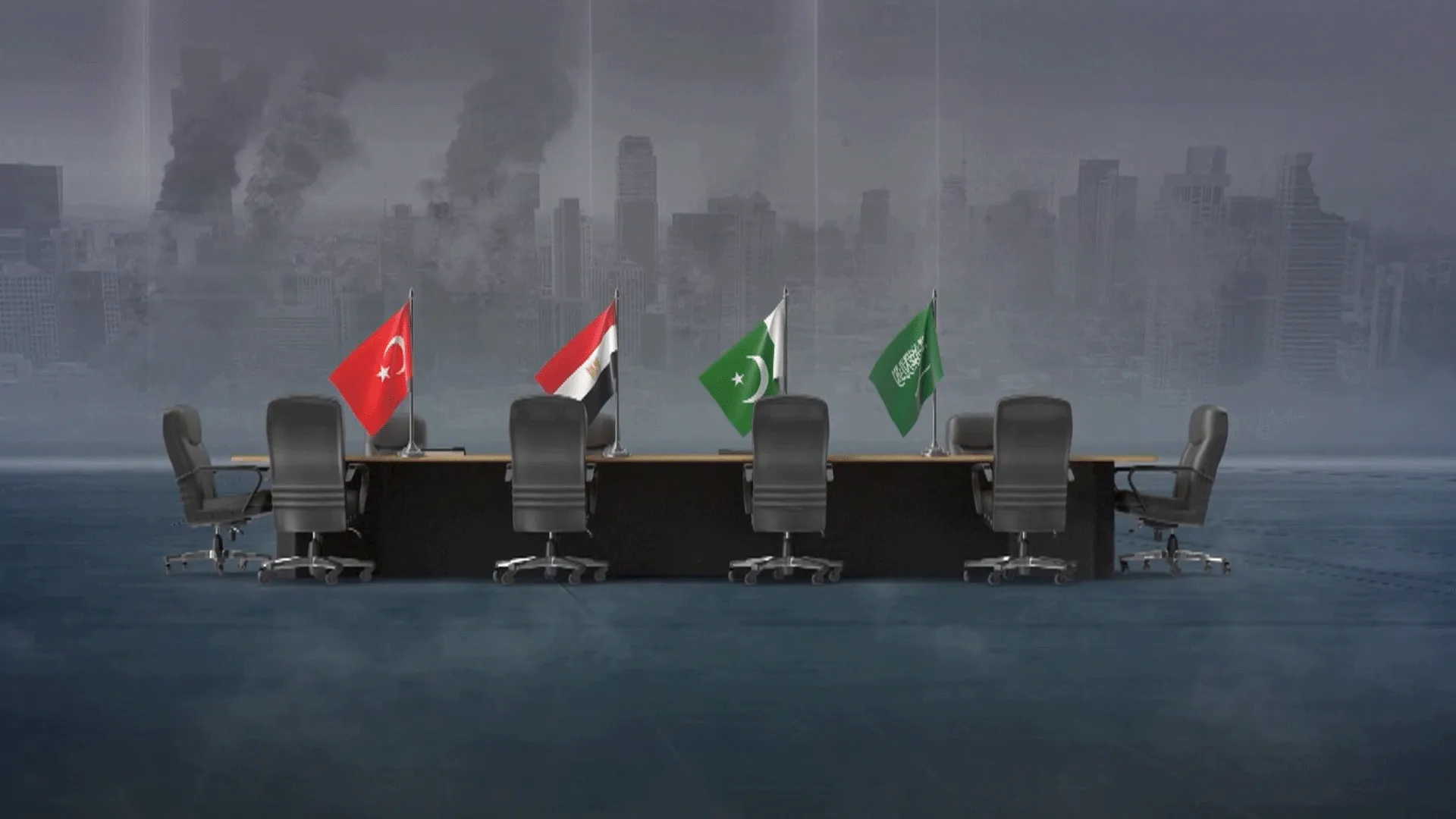
The announcement by President Donald Trump regarding the initiation of talks with Iran has sparked widespread debate within political circles, as these discussions have turned into a message exchange facilitated by a Pakistani mediator. This development comes at a time when relations between Washington and Tehran are experiencing notable military escalation, complicating the regional landscape.
The conditions set by both the United States and Iran vary significantly, creating obstacles to any potential progress in negotiations. At the same time, Israel continues to express its rejection of any potential agreement, increasing the pressure on both Washington and Tehran. Reports indicate that Israeli positions are characterized by rigidity, as they view any agreement with Iran as a threat to their national security.
Details of the Event
American military reinforcements in the region are on the rise, with Washington sending additional troops to the Middle East as part of its strategy to pressure Iran. In contrast, Tehran is seeking to expand its options by attracting the Houthi group in Yemen, which could lead to an escalation of confrontations in the region. These dynamics suggest that any talks may be surrounded by increasing military tensions.
The Pakistani mediation plays a crucial role in facilitating dialogue between the two parties, as Islamabad seeks to achieve stability in the region. However, the question remains regarding the effectiveness of this mediation amid the existing tensions.
Background & Context
The roots of the tensions between Washington and Tehran date back several years, with relations between the two countries deteriorating significantly after the United States withdrew from the Iranian nuclear deal in 2018. Since then, Washington has imposed stringent economic sanctions on Iran, significantly impacting its economy.
In this context, Iran is striving to bolster its regional position by supporting its allies in the region, including the Houthi group in Yemen. This support reflects Tehran's strategy in the face of international pressures and strengthens its position in any future negotiations.
Impact & Consequences
These developments could lead to military escalation in the region, as matters may trend toward a direct confrontation between American and Iranian forces. Additionally, any potential agreement could alter the balance of power in the Middle East, affecting relations among other countries in the region.
There are growing concerns that military escalation could exacerbate humanitarian crises in affected countries, such as Yemen and Syria. Furthermore, any escalation could impact global oil prices, negatively affecting the global economy.
Regional Significance
Arab countries are significantly affected by the tensions between Washington and Tehran, as many Arab states view Iran as a threat to their national security. In this context, the importance of Arab cooperation in addressing security challenges that may arise from any escalation becomes evident.
The situation in Yemen may also worsen, as Iran's support for the Houthi group could intensify the conflict. It is crucial for Arab nations to make joint efforts to achieve stability in the region and avoid any military escalation that could lead to catastrophic outcomes.
In conclusion, the regional landscape remains complex, with international and regional interests intertwining in a way that makes it difficult to predict the future of relations between Washington and Tehran. The current situation requires effective diplomacy and cooperation among the concerned countries to achieve peace and stability in the region.