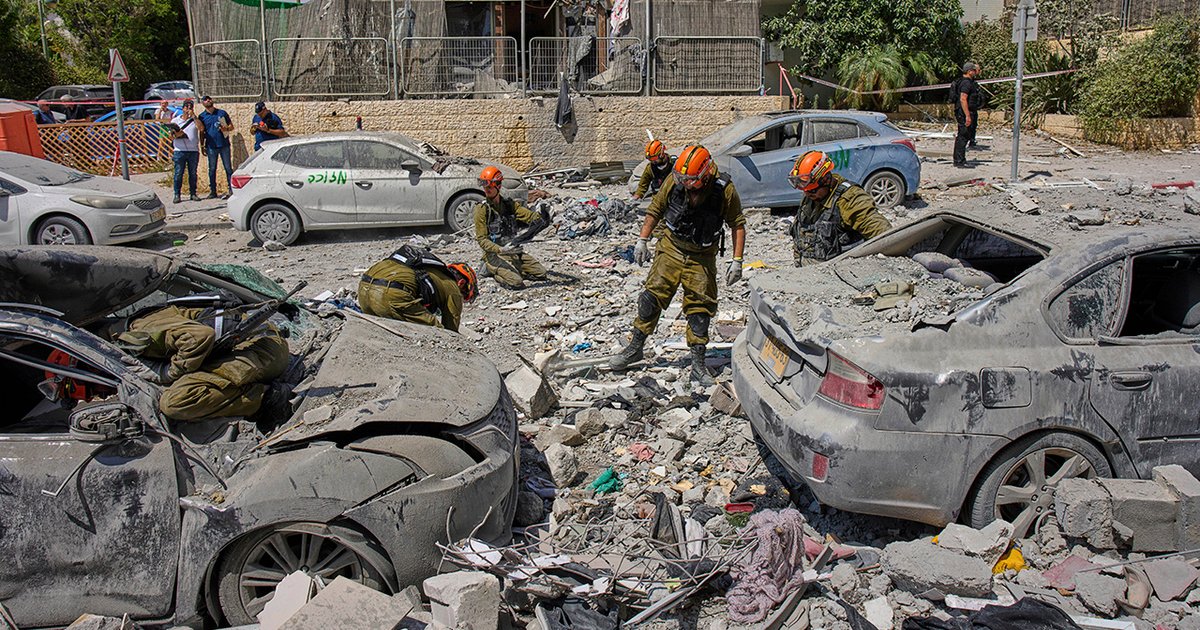
Recent hours have witnessed a military escalation between Israel and Iran, with the latter targeting infrastructure in Iran. This prompted Tehran to retaliate by launching missiles towards Dimona and the Negev region.
These events come at a sensitive time, as tensions in the region are rising, and both sides appear to be seeking to demonstrate their military strength. The Israeli attacks targeted sensitive sites in Iran, provoking strong reactions from Iranian authorities.
Details of the Incident
Iranian sources reported that the Israeli strikes targeted vital facilities, resulting in significant damage. In response, Iran announced the launch of missiles towards Dimona, known for housing an Israeli nuclear facility, as well as areas in the Negev. This escalation follows a series of mutual threats between the two parties, with Iran seeking to bolster its military capabilities in the face of Israeli threats.
Military reports confirmed that the Israeli attacks were precise, targeting sites believed to be linked to Iran's nuclear program. This escalation is considered one of the most dangerous phases in the relations between the two countries, as concerns grow over the possibility of a full-scale war in the region.
Background & Context
Historically, Israeli-Iranian relations have seen increasing tensions since the Islamic Revolution in Iran in 1979. Since then, Iran has regarded Israel as a major enemy and supports armed groups in the region such as Hezbollah and Hamas. In recent years, Israel has intensified its attacks on Iranian sites in Syria, further escalating tensions.
Conversely, Iran is striving to develop its nuclear program, which Israel considers an existential threat. This ongoing conflict reflects broader regional tensions, including the Sunni-Shia conflict and foreign interventions in the internal affairs of Arab states.
Impact & Consequences
These events could have serious repercussions for regional security. The military escalation may provoke reactions from other countries in the region and could open the door to international interventions. Additionally, the continuation of this conflict could impact oil prices and global markets, as the region is one of the most important energy corridors in the world.
Moreover, this escalation could increase tensions between the United States and Iran, especially given the presence of American forces in the region. Washington may seek to de-escalate the situation, but achieving that may be challenging amid rising events.
Regional Significance
Arab countries are directly affected by this escalation. Many nations in the region are suffering from internal conflicts, and any military escalation could exacerbate the situation. Arab states may find themselves compelled to take clear stances regarding this conflict, which could affect their relations with both Iran and Israel.
Ultimately, the question remains about how events will unfold in the coming days. Will Iran continue to respond to Israeli attacks, or will it seek to de-escalate? The current situation requires close monitoring, as any misstep could lead to further escalation in the region.