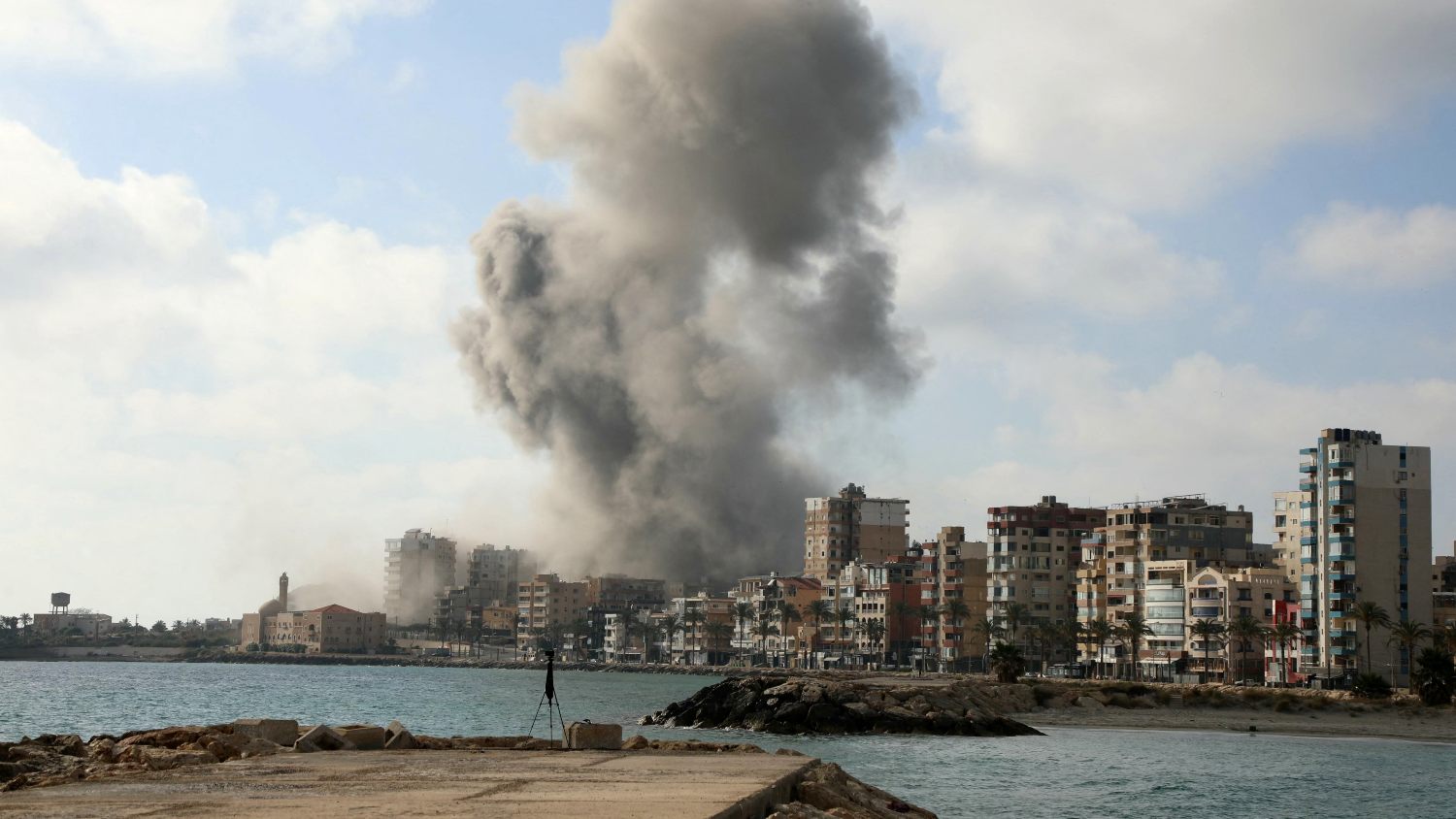
In a serious escalation between Iran and Israel, Iranian missiles were launched towards Israeli territory, raising fears of a broader regional conflict. Israel retaliated with strikes on targets within Iran, further intensifying tensions in the area.
These events come at a time when the United States is striving to maintain diplomatic communication channels. Reports indicate that U.S. President Donald Trump urged Israeli Prime Minister Benjamin Netanyahu to avoid further escalation.
Details of the Incident
Israel announced that it was subjected to an Iranian missile attack overnight, triggering interception systems and alerts in several regions of the country. In response, explosions were reported in Tehran, Isfahan, and Tabriz after Israeli forces launched attacks on targets within Iran.
The Iranian armed forces reported that Israel had crossed all red lines with its strikes on southern Beirut suburbs, warning of broader repercussions. The Iranian Revolutionary Guard confirmed that it targeted Israeli air bases in retaliation for the Israeli attacks, accusing Tel Aviv of launching strikes on several sites within Iran.
Background & Context
Historically, relations between Iran and Israel have been marked by increasing tensions, with Iran viewing Israel as a primary enemy in the region. These tensions have escalated in recent years due to the conflict in Syria and Iran's growing influence in the area. The mutual attacks reflect the rising conflict between the two sides amid the absence of any diplomatic resolution.
These events are part of a series of escalations witnessed in the region, as both Iran and Israel seek to enhance their influence. These dynamics have led to heightened fears of a comprehensive war that could affect neighboring countries.
Impact & Consequences
These escalations could have serious implications for regional security, as military forces remain on high alert. Airspace over Iraq, western Iran, and parts of Syria has been closed due to increasing security concerns and ongoing military activity.
Israeli authorities have also reported widespread interceptions of missiles, reflecting the high state of alert in the country. Meanwhile, emergency protocols have been activated in hospitals and emergency services in both Israel and Iran, in anticipation of the possibility that hostilities may continue for an extended period.
Regional Significance
These developments raise significant concerns in the Arab region, as the Houthis announced that they consider vessels linked to Israel as military targets in the Red Sea, increasing fears of disruption to regional shipping routes. The rising tensions between Iran and Israel could affect the stability of neighboring countries and complicate existing conflicts.
In conclusion, the situation in the Middle East remains volatile, requiring an urgent diplomatic response to prevent further escalation of the conflict. The continuation of tensions between Iran and Israel could lead to widespread repercussions affecting all countries in the region.