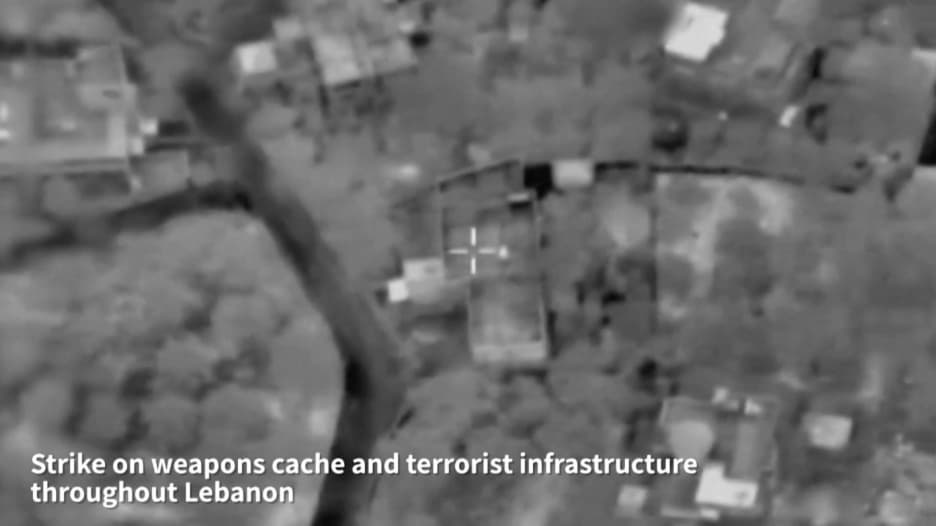
The Lebanese authorities have announced the death of five individuals in new Israeli airstrikes, marking a serious escalation in tensions between Israel and Hezbollah. This development comes at a time when Lebanon is planning to file a complaint with the United Nations Security Council regarding these aggressions, reflecting the rising security situation in the region.
These events occur amid a lack of internal consensus, as ministers from Hezbollah and its ally Amal Movement boycotted a cabinet session in protest against the government's decision to declare Iranian ambassador Mohammad Jalal Firouznia as persona non grata. Simultaneously, the Iranian embassy in Beirut witnessed demonstrations supporting Iran, further complicating the political landscape in Lebanon.
Details of the Incident
Reports indicate that the Israeli airstrikes targeted areas in Lebanon, resulting in civilian casualties. Hezbollah has confirmed that it has launched counterattacks against Israeli forces, intensifying the conflict between the two sides. These clashes come at a sensitive time, as Lebanon seeks to bolster its position in the international community following the escalation of Israeli aggressions.
These events coincide with rising tensions in the region, where fears of a comprehensive war that could affect neighboring countries are increasing. Observers have noted that these clashes may serve as a test of Hezbollah's strength and its ability to respond to Israeli aggressions.
Background & Context
Historically, the Lebanese-Israeli border has witnessed numerous armed conflicts, with Hezbollah being a key force in the resistance against Israeli occupation. Since Israel's withdrawal from Lebanon in 2000, tensions between the two sides have persisted, especially with the increase in Israeli military activities in the region.
In recent years, tensions have escalated due to disputes over maritime borders and natural resources, leading to heightened clashes. Additionally, Iran's intervention in Lebanese affairs and its support for Hezbollah have complicated matters, making Lebanon a battleground for regional conflicts between major powers.
Impact & Consequences
These events could exacerbate the humanitarian situation in Lebanon, which is already suffering from severe economic and social crises. The military escalation may also have negative repercussions on regional security, increasing the likelihood of new conflicts erupting in the area.
Furthermore, the complaint that the Lebanese government intends to submit to the United Nations Security Council may open the door for further external interventions, complicating the internal situation in Lebanon. These developments could lead to a reassessment of regional and international powers' strategies in dealing with the Lebanese-Israeli conflict.
Regional Significance
The current events in Lebanon are indicative of rising tensions in the Arab region, which could affect relations between Arab countries and Israel. The continuation of the conflict may lead to increased internal divisions within Arab states, reflecting the instability that the region is experiencing.
In conclusion, the situation in Lebanon remains under observation, as any further escalation could have widespread implications for regional and international security. The current situation requires urgent diplomatic efforts to avoid further escalation and maintain peace in the region.