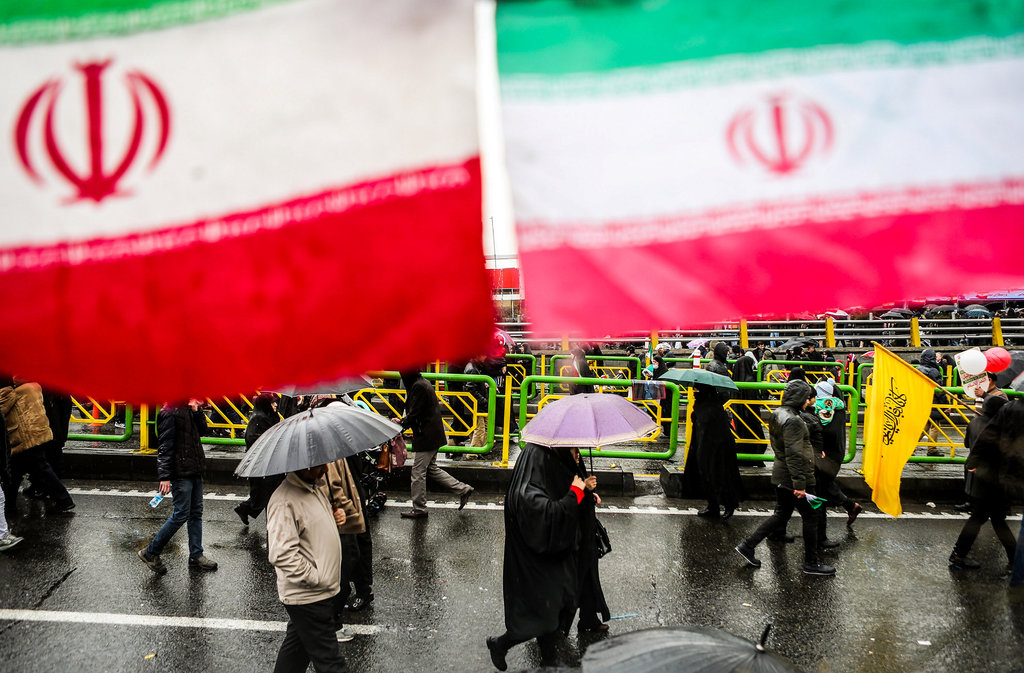
Tensions between the United States and Iran are once again in the spotlight, as these relations undergo radical transformations after forty years of mutual threats. Former U.S. President Donald Trump, known for his hardline stance towards Tehran, appears to have unleashed a new phase of escalation.
Historically, tensions between the United States and Iran began in 1979, when Iran experienced the Islamic Revolution that led to the overthrow of the U.S.-backed Shah. Since then, the relationship between the two countries has been marked by conflict and hostility, with both sides exchanging accusations and threats.
Details of the Current Situation
In recent years, the Trump administration has taken bold steps, such as withdrawing from the Iranian nuclear agreement in 2018, which significantly escalated tensions. This decision sparked mixed reactions on the international stage, with some viewing it as a step towards war, while others considered it necessary to contain Iran's nuclear ambitions.
As the U.S. presidential elections approach, it has become clear that Trump seeks to exploit these tensions to bolster his political position. He has indicated that pressure on Iran is part of his strategy to make America safer, a stance that receives support from certain political circles in the U.S.
Background & Context
The history of U.S.-Iranian relations is filled with dramatic events, starting from the hostage crisis at the U.S. embassy in Tehran to mutual attacks and military operations. Recent years have seen an increase in Iranian military activities in the region, further heightening tensions.
Moreover, Iran's involvement in regional conflicts, such as its support for militias in Iraq and Syria, has raised concerns among the United States and its allies in the region. These complex dynamics make it difficult to predict the future of relations between the two countries.
Impact & Consequences
The tensions between the United States and Iran directly affect regional security, with growing fears of an outbreak of comprehensive military conflict. Any escalatory steps by Trump or Iran could provoke strong reactions from neighboring countries, complicating the situation further.
Additionally, the Iranian economy is suffering from U.S. sanctions, increasing pressure on the Iranian regime. At the same time, any escalation could negatively impact oil prices and global markets, making it essential to closely monitor developments.
Regional Significance
Arab countries neighboring Iran, such as Iraq and Saudi Arabia, are among the most affected by the tensions between Washington and Tehran. These countries face security and economic challenges as a result of these strained relations, placing them in a precarious position.
Furthermore, any military escalation could lead to an influx of refugees and increased sectarian tensions in the region, necessitating a coordinated international response to address these crises.
In conclusion, U.S.-Iranian relations remain a complex topic that requires a deep understanding of history and political context. As tensions continue, the question remains how these dynamics will affect the future of the region.