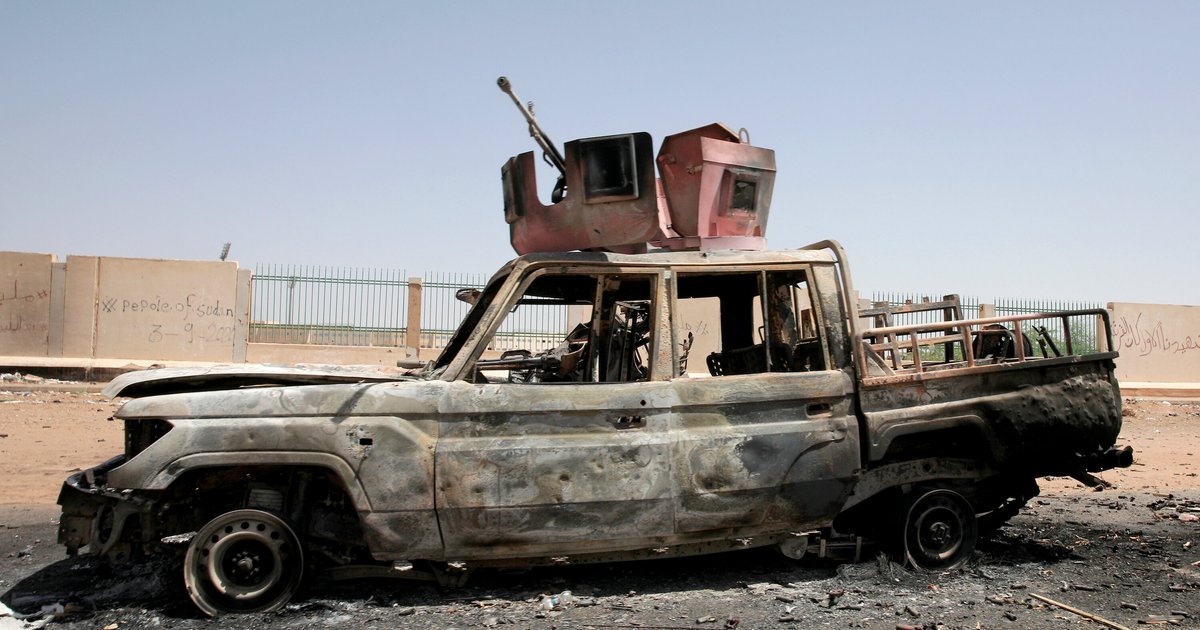
The war in Sudan has entered a critical phase, as the country has witnessed a rapid escalation in the pace of violence and a qualitative shift in the nature of the conflict. From traditional confrontations to more complex and targeted patterns, concerns are growing over the worsening situation in the absence of any political horizon capable of containing the crisis.
Reports indicate that clashes between the Sudanese Armed Forces and the Rapid Support Forces have significantly increased, resulting in numerous casualties and property destruction. This escalation comes at a time when the Sudanese people are suffering from the effects of a war that has been ongoing for several months, leading to the displacement of millions and rising rates of poverty and unemployment.
Details of the Conflict
Since the outbreak of the conflict in April 2023, Sudan has experienced violent confrontations in several regions, including the capital, Khartoum. These confrontations have been characterized by new developments, as they have shifted from direct clashes to the use of more complex methods, such as targeted attacks on vital infrastructure.
In light of these conditions, international calls for a ceasefire have increased, but they have not yet borne fruit. Additionally, mediation efforts by some countries have failed to achieve tangible progress, further complicating the situation.
Background & Context
Historically, Sudan has suffered from multiple internal conflicts, having experienced civil wars and ethnic strife for decades. After the ousting of former President Omar al-Bashir in 2019, there was hope for achieving peace and stability, but things quickly deteriorated.
The Sudanese Armed Forces and the Rapid Support Forces are among the main conflicting parties, each vying for power and influence. This conflict reflects the deep-seated tensions between military and political factions in the country, rooted in a long history of corruption and tyranny.
Impact & Consequences
The ramifications of the conflict in Sudan extend beyond its borders, affecting security and stability in the Horn of Africa. The mass displacement of populations and economic disruptions could exacerbate humanitarian conditions, necessitating international intervention.
Moreover, the continuation of violence may open the door for extremist groups to exploit the chaos, increasing the risk of terrorism in the region. This situation calls for an urgent response from neighboring countries and the international community to ensure that the crisis does not worsen.
Regional Significance
The situation in Sudan holds particular importance for Arab countries, as any escalation in violence could impact regional security. The conflict in Sudan could lead to a flow of refugees into neighboring countries, placing additional pressure on resources and services.
Furthermore, the recurring crises in Sudan may affect relations between Arab states, as each country seeks to protect its interests and security. Therefore, political solutions must be prioritized to ensure regional stability.
In conclusion, hope remains for the possibility of achieving peace in Sudan, but this requires collective efforts from all concerned parties. Will international initiatives succeed in ending this ongoing crisis?