Clashes continue in the city of Zawiya, located in western Libya, where reports confirm that the power struggle among armed militias has become a reality that exacerbates tension and raises fears among residents. This deteriorating security situation comes amid the overlap of armed groups affiliated with the state and others operating outside the law, reflecting the fragility of security control and the lack of stability in the region.
Zawiya, home to approximately 351,000 residents, is experiencing intermittent clashes between armed factions, increasing anxiety among the population. The city, situated along the coastal road and hosting the largest oil refinery in the country, has become a center for armed conflicts that affect daily life.
Details of Recent Clashes
The latest clashes occurred on Sunday evening during Eid al-Fitr, between two local groups known as “Sons of the Jinn” and “Sons of the Praise,” which involved the use of light weapons and RPG launchers, reigniting panic among residents. Media outlets and social media platforms have reported repeated pleas for help from the population, reflecting the chaos the city is experiencing.
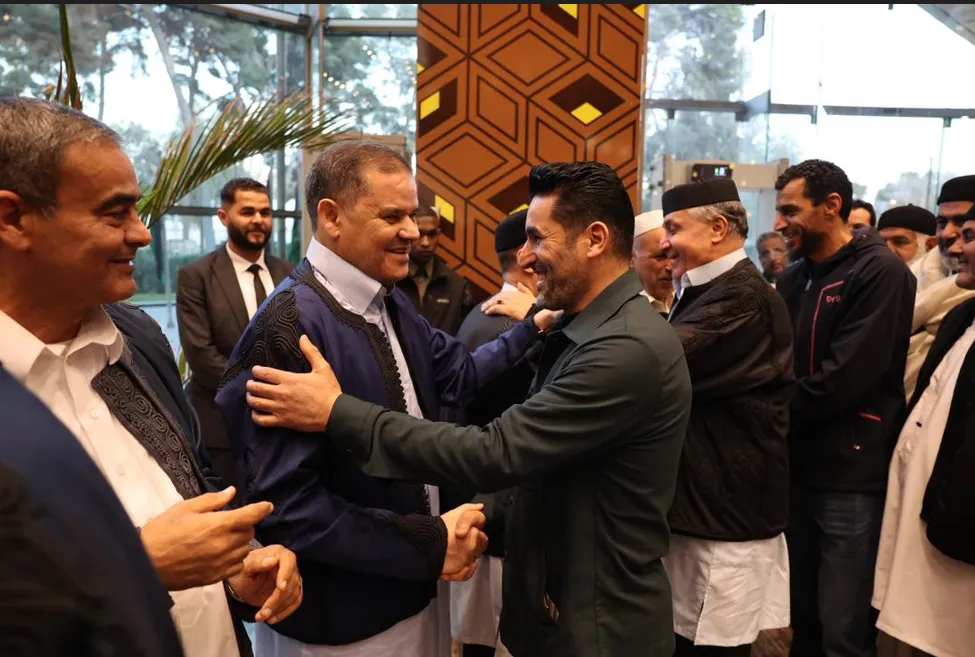
This security escalation comes at a time when the Government of National Unity has been taking steps to enhance its communication with social and tribal actors, as Prime Minister Abdul Hamid Dbeibeh attended an iftar gathering with several leaders of armed factions in Zawiya, raising questions about the impact of these moves on the security situation.
Background & Context
Zawiya, located 50 kilometers west of Tripoli, is part of a security axis extending from Janzour to Zuwara. The city has witnessed ongoing fluctuations in the balance of power among militias, as these factions compete for control and influence. Analysts indicate that alliances among militias are characterized by fierce competition and attempts at elimination, making the security landscape in Zawiya continuously fluid.
The militias in Zawiya can be divided into three main categories based on their affiliation with official institutions. The first category includes formations linked to the Presidential Council, such as the Support and Stability Agency, which enjoys direct legal cover but is involved in local power struggles. The second category consists of groups affiliated with the Ministry of Defense, such as Brigade 459, which receives government funding but engages in direct conflicts with parallel agencies. The third category comprises unofficial militias, like the Far militia, which relies on its military influence.
Impact & Consequences
Reports indicate that the conflict in Zawiya is tied to competition over economic resources and vital facilities, such as the refinery and coastal roads, in addition to smuggling activities. This competition complicates the security landscape and reflects a pragmatic nature governing militia behavior, where alliances shift according to interests.
Experts warn that the continuation of these clashes could exacerbate security conditions, necessitating decisive action to enforce the rule of law and dismantle armed formations. The solution lies in the individual and professional reintegration of their members into regular institutions, which could contribute to restoring stability in the region.
Regional Significance
The situation in Zawiya serves as a model for the armed conflicts and security chaos faced by many regions in Libya. These events reflect the significant challenges the state faces in regaining control over its territories, impacting regional security and increasing the risks of smuggling and organized crime.
In conclusion, the future of Zawiya remains uncertain amid the ongoing conflict between militias, requiring both international and local efforts to find effective solutions that restore stability to this vital region.