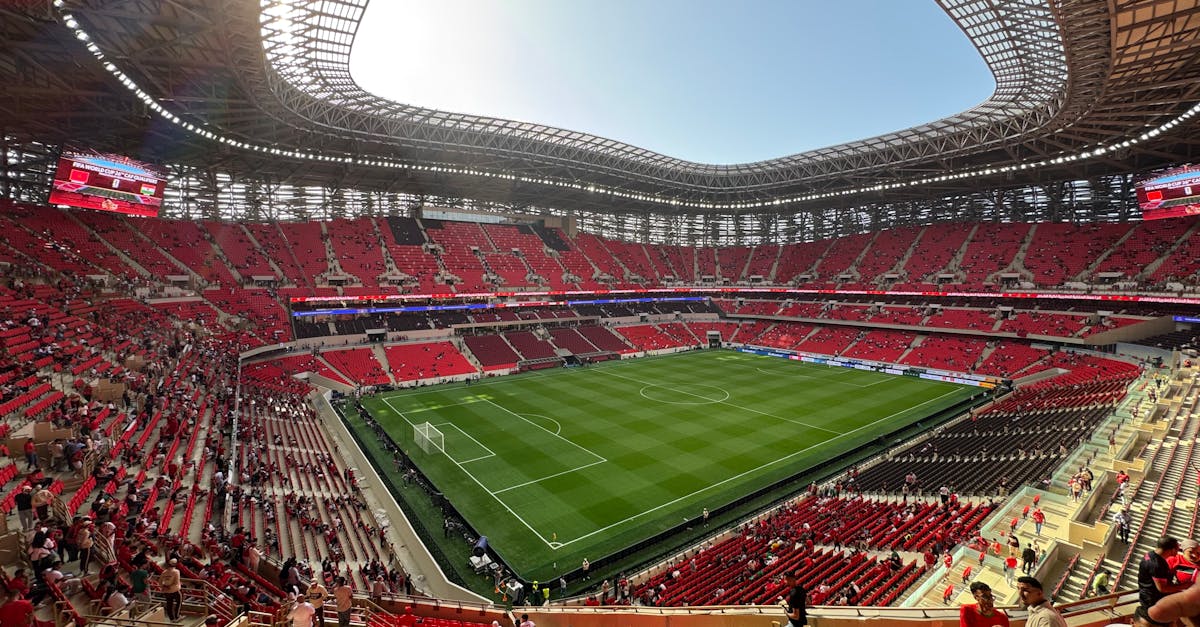
There is growing anxiety in global sports circles regarding the potential effects of political tensions between the United States and Iran on the 2026 World Cup. Reports have shown that the blockade imposed by President Donald Trump on the Strait of Hormuz could negatively impact the organization of the tournament.
The 2026 World Cup is a significant sporting event, set to be hosted by three countries: the United States, Canada, and Mexico. However, the escalating tensions in the Gulf region raise questions about these countries' ability to ensure security and stability during the tournament.
Event Details
Recently, Trump has made sharp statements against Iran, intensifying tensions in the region. Many observers have pointed out that these statements could lead to potential military escalation, raising concerns about the safety of teams and fans during the tournament.
The Strait of Hormuz is a vital strategic point, through which approximately 20% of the world's oil passes. Therefore, any escalation in tensions could affect shipping routes and lead to disruptions in the global economy, which could, in turn, impact the organization of the World Cup.
Background & Context
Historically, relations between the United States and Iran have been tense, witnessing numerous crises since the Islamic Revolution in 1979. These tensions have led to economic sanctions on Iran, affecting the region's stability.
In recent years, these tensions have intensified with the United States' withdrawal from the Iranian nuclear deal in 2018. Since then, relations between the two countries have deteriorated significantly, increasing concerns about regional security.
Impact & Consequences
If tensions continue to escalate, it could significantly affect the organization of the 2026 World Cup. Teams and fans may face security risks, which could compel organizers to take additional measures to ensure their safety.
Moreover, any military escalation could lead to negative economic impacts on the host countries, as tourism and investments could be significantly affected. This, in turn, could impact these countries' ability to host such a large-scale sporting event.
Regional Significance
The Gulf region is among the most affected areas by the tensions between the United States and Iran. Any escalation in these tensions could increase instability in the countries of the region, negatively impacting regional security.
Additionally, the economic repercussions resulting from these tensions may affect neighboring Arab countries, which could face economic consequences due to rising oil prices or disruptions in trade flows.
In conclusion, the question remains about how these tensions will affect the 2026 World Cup and whether the host countries will be able to ensure the tournament's organization under these strained circumstances.