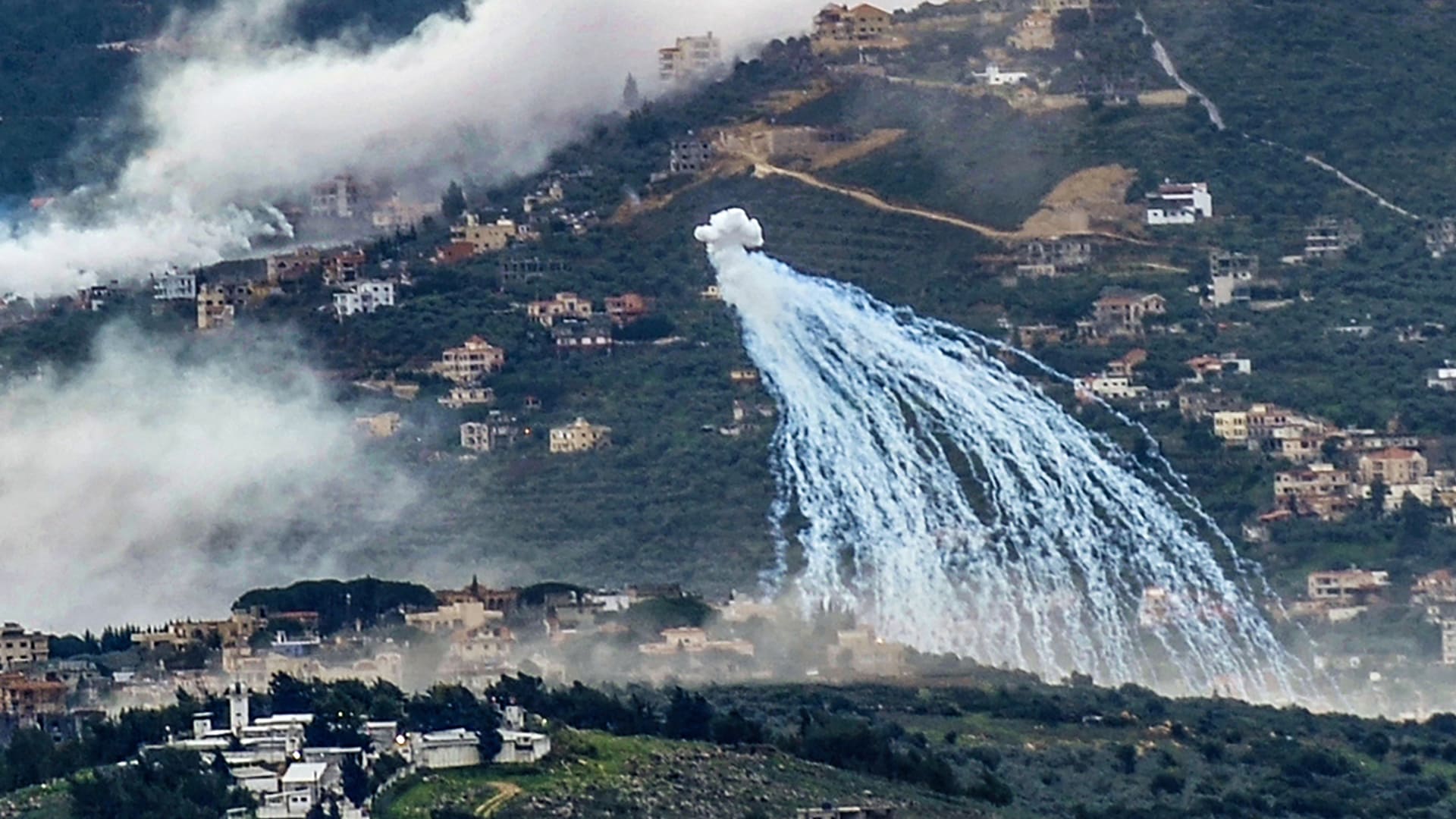
The US-Israeli war on Iran has entered its twenty-eighth day, with Washington escalating threats to turn Iran into hell if no agreement is reached. The situation is worsening as military operations continue, increasing tensions in the region.
The United States, in collaboration with its ally Israel, is seeking to pressure Iran by intensifying military and political pressures. Statements from US officials indicate that any delay in reaching an agreement could lead to greater military escalation, threatening the stability of the entire region.
Details of the Situation
In recent days, the Iranian front has witnessed a notable escalation, with the United States issuing direct threats against Tehran, indicating that failure to respond to its demands could lead to dire consequences. In this context, military sources confirmed that military operations are ongoing, focusing on targeting vital facilities in Iran.
Reports have also shown that Israel continues to carry out airstrikes on Iranian positions in Syria, complicating the security situation in the region. These operations are part of a broader strategy aimed at undermining Iranian influence in the Middle East.
Background & Context
The roots of tension between the United States and Iran date back decades, with relations between the two countries escalating continuously since the Islamic Revolution in 1979. Since then, the United States has taken several steps to isolate Iran, including imposing strict economic sanctions.
In recent years, tensions have intensified following the US withdrawal from the Iranian nuclear deal in 2018, leading to an escalation of the Iranian nuclear program and increased military activities in the region. This current military escalation is part of a US strategy aimed at reshaping the geopolitical landscape in the Middle East.
Impact & Consequences
Analyses suggest that the continuation of the US-Israeli war on Iran could have serious repercussions for regional and international security. The escalation of military operations could open the door to strong Iranian reactions, potentially leading to further escalation of the conflict.
Moreover, the increasing tensions could affect global oil markets, as any military operations might disrupt oil supplies, leading to rising prices and increased economic pressures on consuming countries.
Regional Significance
The Arab countries neighboring Iran are in a sensitive position, as the war may affect their stability and security. Increased military tensions could lead to a flow of refugees and heightened security threats, putting additional pressure on Arab governments.
Furthermore, any military escalation could provide armed groups in the region with opportunities to exploit the chaos, further complicating the security situations in Arab countries. Therefore, the situation requires careful monitoring and coordination among Arab nations to avoid any negative repercussions.
In conclusion, the US-Israeli war on Iran remains a complex issue that requires significant international attention, as any escalation could impact security and stability in the region and the world.