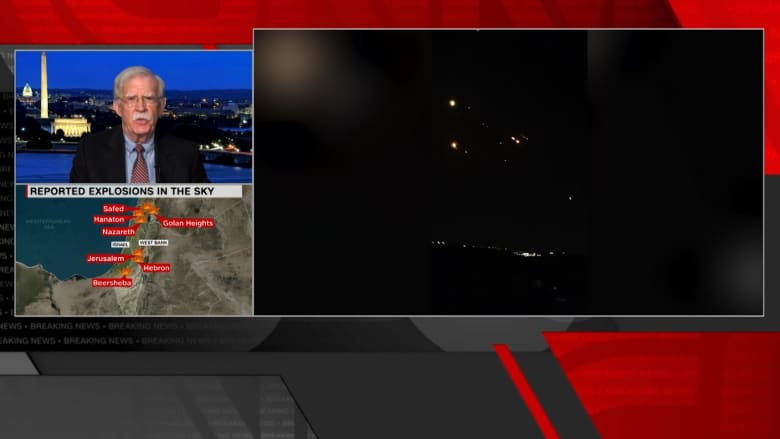
The US-Israeli war on Iran has entered its 29th day, with threats from Washington intensifying to turn Iran into hell if an agreement to end this confrontation is not reached. These statements come at a sensitive time, as the military conflict between the involved parties escalates, increasing concerns about the stability of the region.
Reports indicate that military operations have expanded to include new areas, reflecting the determination of the United States and Israel to achieve their strategic objectives against Tehran. At the same time, Iran continues to bolster its defensive capabilities, complicating the situation further.
Details of the Ongoing Conflict
In recent days, the military arena has witnessed a notable escalation, with US and Israeli forces conducting a series of airstrikes on sites believed to be affiliated with the Iranian Revolutionary Guard. These operations are part of a strategy aimed at weakening Iranian influence in the region, particularly in Iraq and Syria.
In response, Iran has reacted to these attacks with strong statements, asserting that its officials will not hesitate to defend their interests. They also indicated that any further escalation would be met with a strong response, raising the tension levels in the region.
Background & Context
The roots of the current conflict trace back to years of tensions between Iran and the United States, which worsened after Washington's withdrawal from the nuclear agreement in 2018. Since then, the United States has imposed strict sanctions on Iran, adversely affecting its economy and exacerbating internal crises.
Moreover, the alliance between the United States and Israel has strengthened in recent years, as they share a common vision aimed at countering Iranian threats. This military and political cooperation reflects both parties' concerns over Iran's nuclear program and its support for armed groups in the region.
Impact & Consequences
The current escalations could have serious repercussions on regional security, as the conflict may expand to involve other countries in the area. Additionally, any military escalation could lead to rising oil prices and negative impacts on the global economy.
Concerns are growing that the conflict could lead to an all-out war, potentially dragging the region into new crises. In this context, many are questioning the international community's ability to intervene to contain the situation and prevent its escalation.
Regional Significance
The Arab countries neighboring Iran find themselves in a precarious position, as they could be directly affected by any military escalation. Many of these nations rely on regional stability for their economic and political security.
Furthermore, the conflict could lead to an influx of refugees and increased sectarian tensions, complicating the situations in countries like Iraq, Syria, and Lebanon. Under these circumstances, Arab nations must take clear stances to address the rapidly evolving developments.
In conclusion, the situation in the region remains tense, with the US-Israeli war on Iran continuing. The current state of affairs requires an urgent diplomatic solution to avoid further escalation and potential negative impacts on regional and international security.