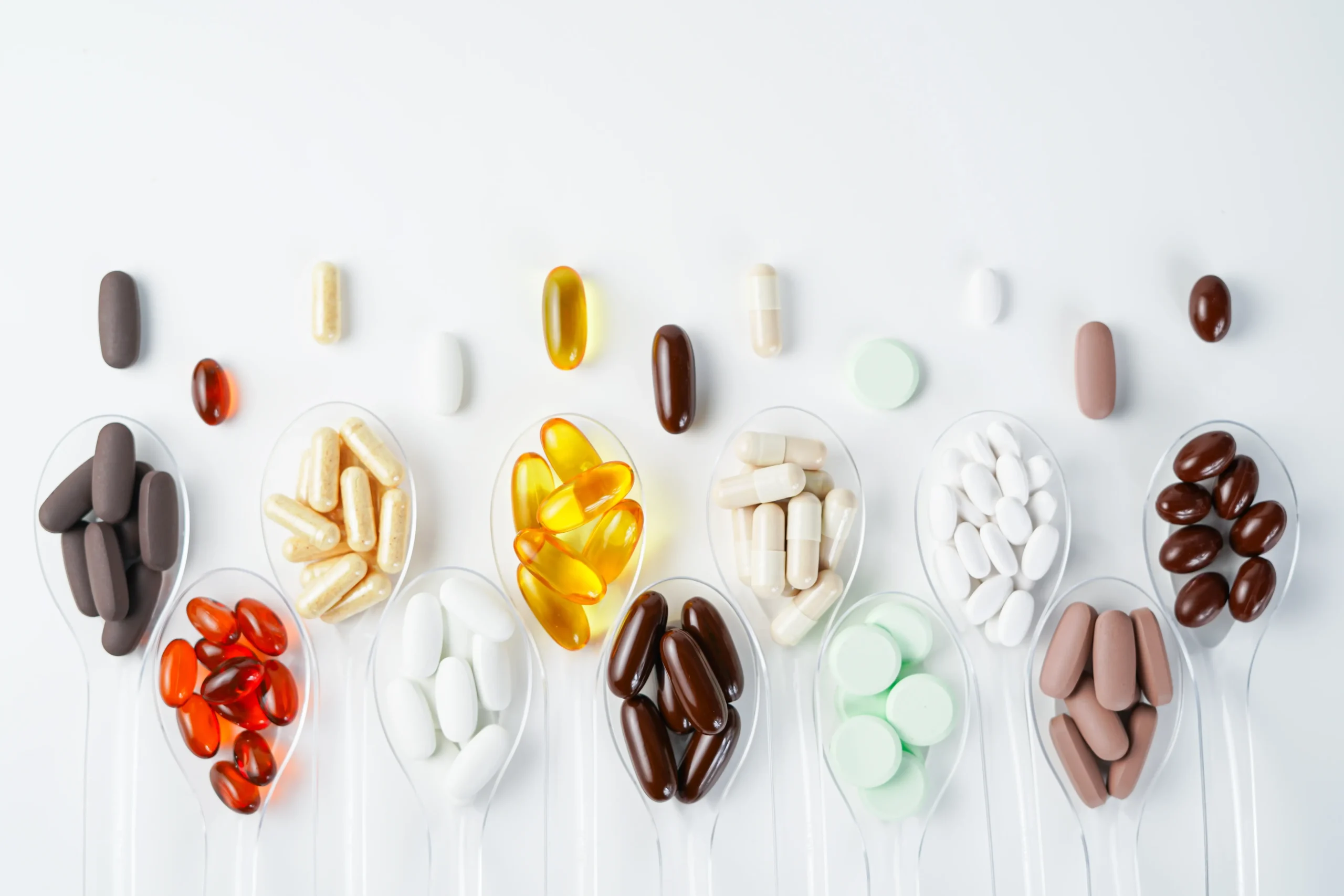
Vitamins are essential elements that contribute to maintaining women's health at various stages of life. Medical studies have confirmed that a healthy and balanced diet is the best source for obtaining these vitamins, while dietary supplements are advised only when needed.
As women age, their bodies undergo multiple changes, including external changes like wrinkles and gray hair, as well as internal changes such as decreased concentration and memory. These changes may lead to different nutritional needs, especially during the pre-menopausal and menopausal stages.
Details of the Event
Research indicates that the decline in estrogen levels, the gradual decrease in muscle mass, and the cessation of menstruation are all factors that contribute to new transformations in women's bodies. Dr. Rachel Besa-Pollack, an endocrinologist at NYU Langone Health, confirmed that these factors significantly impact women's health during this phase.
Antioxidants, such as vitamins A, C, and E, play a vital role in protecting cells from damage caused by free radicals, which helps strengthen the immune system and slow down the signs of aging. Additionally, the B vitamin group, particularly B6, B12, and folic acid, is essential for energy production and supporting brain functions, as well as for the formation of red blood cells and preventing anemia.
Background & Context
Vitamin D is considered a vital element that helps the body absorb calcium and phosphorus, contributing to maintaining bone strength and preventing osteoporosis, especially with aging. Meanwhile, vitamin K works with calcium to enhance bone health and regulate blood clotting.
Women's nutritional needs extend beyond these vitamins, as medical sources highlight the importance of additional elements such as iron, which women require in larger amounts due to blood loss during menstruation, as well as calcium and magnesium to support bone and muscle health, particularly after the age of forty.
Impact & Consequences
Recent health reports indicate that the body's requirements for certain elements, such as vitamin B12 and vitamin D, may increase with age due to decreased absorption capacity or reduced sun exposure. This makes some women more susceptible to deficiencies in these vitamins.
Despite the potential benefits of dietary supplements, nutrition experts stress that reliance on them should be cautious, as excessive intake of certain vitamins may lead to negative health effects. A balanced diet rich in vegetables, fruits, and whole grains remains the safest and most effective option.
Regional Significance
In the Arab world, the importance of health awareness among women is increasing, especially with rising rates of chronic diseases. Enhancing knowledge about vitamins and the importance of balanced nutrition can contribute to improving women's health overall.
In conclusion, women at all stages of life should ensure they consume essential vitamins through a balanced diet, consulting doctors when dietary supplements are needed.