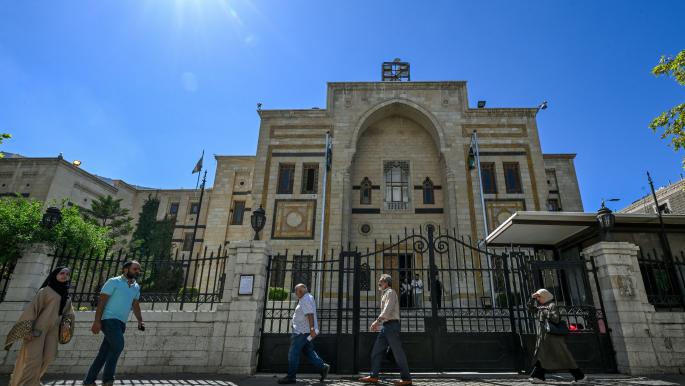
Syria faces significant challenges more than 15 months after the fall of the Assad regime, highlighting the urgent need for an elected legislative council. This delay raises questions about the country's future and stability.
Despite the rapid political events in the region, the situation in Syria still requires serious steps towards rebuilding state institutions. The absence of an elected legislative council reflects political instability and negatively impacts reconstruction and development efforts.
Details of the Situation
Since the overthrow of the Assad regime, there have been increasing demands for the formation of a legislative council that represents all segments of the Syrian people. However, no tangible steps have been taken in this direction, increasing frustration among citizens. The lack of an elected legislative body reflects the ongoing political chaos and hinders any efforts to achieve peace and stability.
Legislative councils are among the most important institutions in any country, playing a pivotal role in law-making and government oversight. Therefore, their absence in Syria reflects a crisis of trust between the people and the authorities, complicating the political situation further.
Background & Context
Syria has witnessed a bloody conflict since 2011, with protests erupting against the Assad regime, leading to international interventions and multiple internal conflicts. As international pressure on the regime increased, there was hope that its fall would mark a new beginning for the country. However, the current reality shows that things have not changed drastically, as the country continues to suffer from deep divisions.
In this context, forming an elected legislative council is a necessary step to rebuild trust between citizens and authorities. Elected councils reflect the will of the people and contribute to achieving political stability, which Syria desperately needs at this critical stage.
Impact & Consequences
The absence of an elected legislative council could exacerbate the economic and social crises in the country. Without a representative body, it becomes challenging to make effective decisions to address the challenges facing the Syrian people. Additionally, political instability may lead to increased corruption and chaos, negatively impacting citizens' lives.
Moreover, the delay in forming an elected legislative council could affect Syria's international relations. Donor countries and investors are hesitant to support the country in the absence of a legitimate government representing the people. This negatively impacts reconstruction efforts and economic development.
Regional Significance
The situation in Syria has wide-ranging effects on the Arab region as a whole. The ongoing chaos and instability in Syria could lead to crises spilling over into neighboring countries, increasing regional tensions. Furthermore, the absence of political solutions may contribute to the spread of extremism and violence, posing a threat to regional security.
Therefore, the international community is urged to pressure the relevant parties in Syria to expedite the formation of an elected legislative council as a first step towards achieving peace and stability.