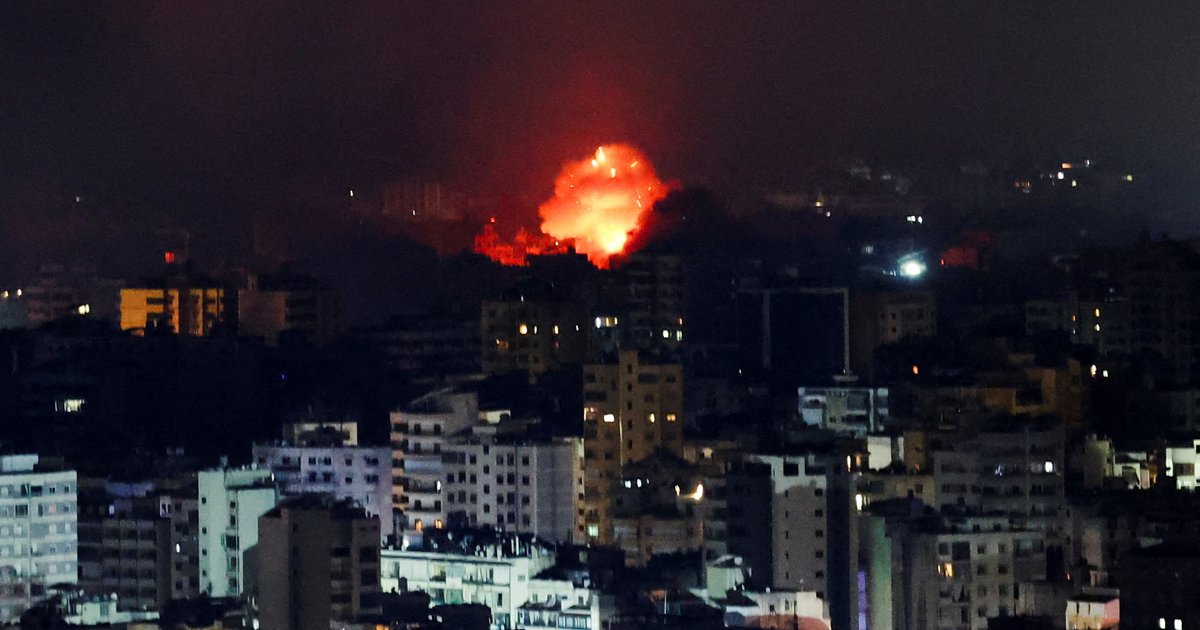
The euro is heading towards its worst quarter since 2024, as the ongoing war in the Middle East raises concerns about European dependence on energy imports. This situation raises questions about economic stability in the Eurozone, which is already facing multiple challenges.
Reports indicate that geopolitical crises, particularly in the Middle East, are casting shadows over European markets. As tensions escalate, oil prices rise, increasing energy costs and negatively impacting the European economy.
Event Details
As the conflict in the Middle East intensifies, the euro faces significant pressure. The European currency has seen a notable decline against the US dollar, reflecting growing fears of the regional crises' impact on the European economy. Additionally, rising oil prices due to these crises exacerbate the challenges faced by European countries, which heavily rely on energy imports.
Markets expect this trend to continue in the current quarter, potentially worsening economic conditions in Eurozone member states. These circumstances could also lead to rising inflation, placing additional pressure on European central banks.
Background & Context
Historically, the Eurozone has heavily depended on energy imports from the Middle East, making it vulnerable to geopolitical fluctuations. Since 2020, the region has faced several crises, from the COVID-19 pandemic to the war in Ukraine, affecting supply chains and energy prices.
In recent years, European countries have attempted to reduce their reliance on Russian energy, but they find themselves in a difficult position as tensions rise in the Middle East. These crises weaken economic stability and increase risks to growth in the region.
Impact & Consequences
Analyses predict that the economic pressures resulting from rising energy prices will lead to a slowdown in growth within the Eurozone. These conditions may also result in increased unemployment rates and a decline in investments, further heightening the economic challenges faced by European nations.
Moreover, rising energy prices could lead to increased inflation, putting pressure on European central banks to take stringent measures. This situation may exacerbate economic conditions and increase instability in financial markets.
Regional Significance
Arab countries are directly affected by the crises in the Eurozone, as many of them are key energy suppliers. With rising oil prices, some Arab nations may benefit from increased revenues, but at the same time, they may face challenges in exporting energy due to fluctuations in global markets.
Additionally, economic crises in Europe may impact the demand for oil and gas from Arab countries, potentially leading to a decline in investments in the region. Therefore, the current situation requires Arab nations to take proactive steps to ensure the stability of their economies amid these changing circumstances.