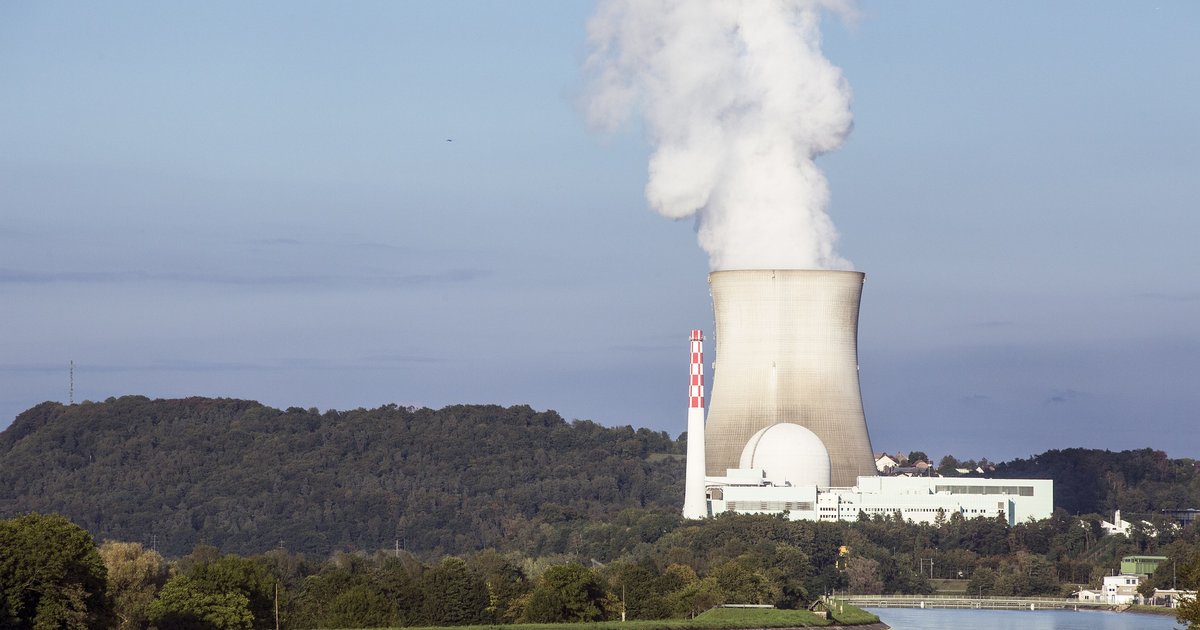
Europe is facing a new energy crisis as gas and fuel prices rise, causing concern among households and industries across the continent. As the European Commission urges citizens to work from home and reduce travel, discussions about the necessity of achieving energy independence are intensifying.
There are growing fears that the situation may worsen, especially amid ongoing tensions in the Middle East. These circumstances have revived discussions about nuclear power as part of the European energy mix, with some countries considering a return to nuclear energy as a potential solution.
Details of the Event
At the recent European Nuclear Energy Summit in Paris, European Commission President Ursula von der Leyen described the move away from nuclear energy as a "strategic mistake." The share of electricity generated from nuclear power in Europe has dropped from around 30% in 1990 to 15% currently, making the continent heavily reliant on expensive and unstable energy imports.
Europe imports more than 50% of its energy, making it vulnerable to price fluctuations and supply bottlenecks, as seen after sanctions were imposed on Russia. The impact of rising gas prices on electricity prices varies from country to country; for instance, Spain, which has heavily invested in solar and wind energy, expects its electricity prices to be much lower than those in Italy, which relies significantly on gas.
Background & Context
Historically, nuclear energy has been one of the main sources of power in Europe, with France, for example, generating about 65% of its electricity from nuclear power. However, the 2011 Fukushima disaster in Japan led Germany to shift towards phasing out nuclear energy, increasing its reliance on gas.
Calls to support nuclear energy as part of the national energy mix are now increasing in several European countries, including Scotland. French President Emmanuel Macron has indicated that nuclear energy is key to achieving energy independence and meeting carbon neutrality goals.
Impact & Consequences
Nuclear energy is considered part of the solution, but its development requires massive investments and a long time frame. European governments face significant challenges, including debt and other financial obligations, making it difficult to substantially increase the share of nuclear energy.
At the same time, competition from renewable energy sources is increasing, as the costs of solar and wind energy have decreased. Therefore, the European Commission is seeking to promote the concept of Small Modular Reactors (SMRs), which could be more cost-efficient.
Regional Significance
The energy crisis in Europe is particularly significant for the Arab region, where many Arab countries rely on oil and gas exports. Changes in European energy policies could have repercussions on global markets, impacting Arab economies that depend on these resources.
In conclusion, the question remains about Europe's ability to achieve energy independence amid current challenges. While nuclear energy is part of the solution, the path to achieving this requires substantial investments and cooperation among European countries.