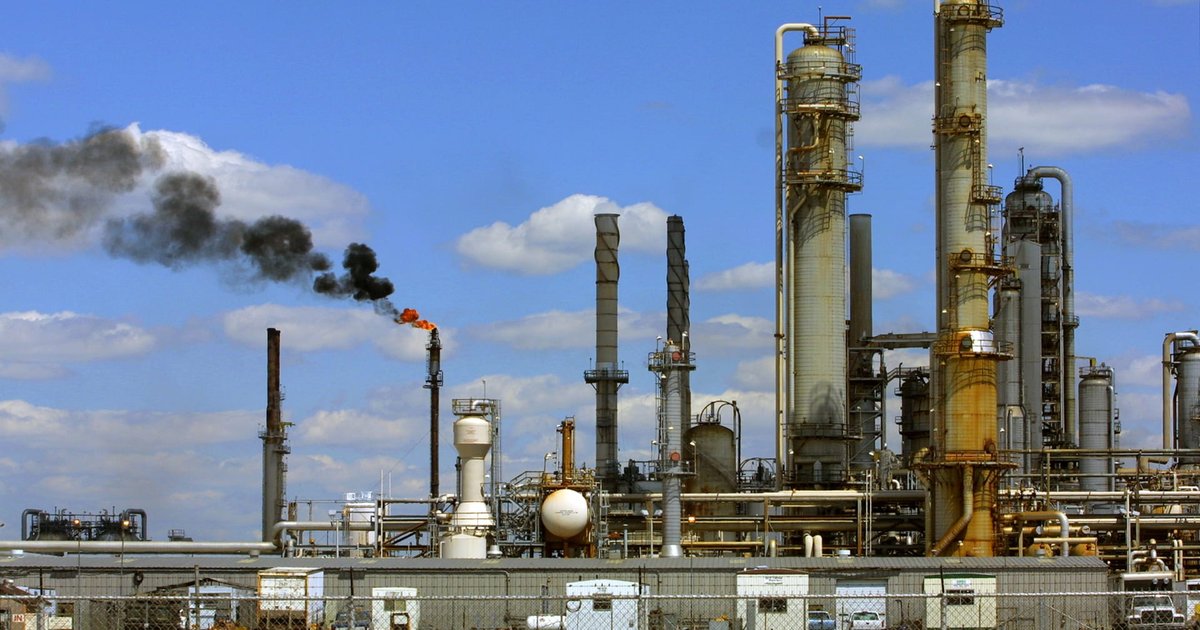
Europe is preparing to enter the gas storage season amid a severe shortage in reserves, with reports indicating that the continent's main gas storage facilities have been significantly depleted. This situation places Europe in a challenging position, as it will need to compete more vigorously with Asian buyers to secure the necessary supplies, especially given the current circumstances in the Middle East.
As winter approaches, gas reserves are crucial for meeting energy needs in European countries. However, the current shortage in reserves may hinder nations' ability to meet the increasing demand, raising concerns about the potential for an energy crisis in the coming months.
Details of the Situation
Data indicates that gas storage levels in Europe have reached unprecedented lows, reflecting the impacts of the ongoing conflict in the Middle East on energy flows. The disputes have disrupted supplies from some gas-producing countries, increasing pressure on the European market.
At the same time, competition is rising with Asian countries, which are also seeking to secure gas supplies amid heightened demand. This situation could drive prices up and exacerbate the economic challenges facing European nations.
Background & Context
Historically, Europe has relied on natural gas as a primary energy source, with supplies from Russia and the Middle East constituting a significant portion of its needs. However, as conflicts in the region escalate, these supplies have become threatened, prompting European countries to seek alternatives.
In recent years, Europe has seen a shift in energy strategies, beginning to explore alternative sources such as renewable energy. Nevertheless, the need for natural gas remains urgent, especially under current conditions that require immediate supply security.
Impact & Consequences
A gas crisis in Europe could lead to significant economic repercussions, as energy prices may rise sharply, affecting living costs and increasing pressure on households and businesses. Additionally, a gas shortage could result in reduced industrial production, negatively impacting economic growth.
Moreover, competition with Asian countries for supplies may worsen the situation, as prices could trend upward, further complicating the challenges faced by European governments in managing their economic policies.
Regional Significance
The Arab region is directly affected by these developments, as Arab countries are among the world's most important sources of natural gas. Amid current conflicts, some Arab nations may find an opportunity to enhance their role as a primary energy supplier to Europe.
However, the continuation of conflicts in the Middle East may hinder these opportunities, necessitating that Arab countries take strategic steps to bolster supply stability and ensure energy security in the region.
As Europe enters the gas storage season, the challenges it faces amid dwindling reserves and geopolitical tensions become evident. It will be essential for European nations to seek innovative solutions to ensure the necessary energy supplies to confront the winter ahead.