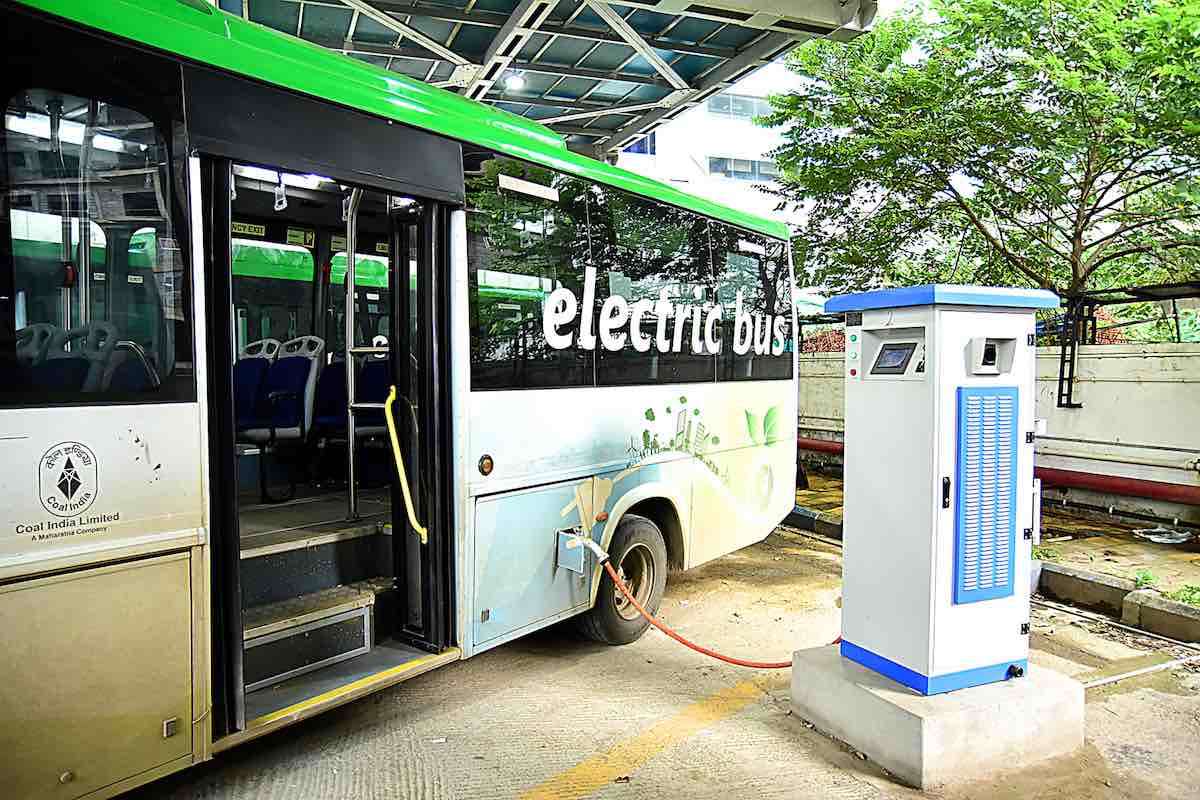
Europe is making notable progress in the field of electric transport, as reports indicate that electric trucks and buses now represent 60% of the total market. This percentage reflects a significant transformation in the transport industry, showcasing the commitment of European countries to reduce carbon emissions and promote sustainability.
Studies suggest that this shift was not unexpected, as European governments and companies have heavily invested in developing electric transport technologies. Additionally, improvements in battery efficiency and fast-charging technologies have made these vehicles more appealing to users.
Details of the Event
In recent years, Europe has witnessed a remarkable increase in the number of electric trucks and buses entering the market. According to reports, these vehicles have become more efficient and cost-effective, making them a preferred choice for many companies. For instance, new models of electric trucks have been developed that can cover longer distances on a single charge, enhancing their effectiveness in commercial transport.
Furthermore, European governments are offering financial incentives to companies that adopt this technology, facilitating the transition to electric transport. These incentives include tax reductions and financial support for purchasing electric vehicles.
Background & Context
Historically, the transport industry has heavily relied on fossil fuels, leading to increased carbon emissions and environmental degradation. With growing environmental awareness and pressure from international organizations, European countries have begun to take serious steps towards transitioning to renewable energy sources.
In 2019, the European Commission laid out an ambitious action plan aimed at achieving carbon neutrality by 2050. This plan includes promoting the use of electric vehicles and developing the necessary infrastructure to support them, such as charging stations.
Impact & Consequences
This shift in the electric transport industry has far-reaching implications for both the economy and the environment. Economically, it can lead to the creation of new job opportunities in manufacturing, maintenance, and technology sectors. Additionally, reducing reliance on fossil fuels can contribute to price stability and lower costs in the long term.
Environmentally, the transition to electric transport can significantly reduce greenhouse gas emissions, aiding in the fight against climate change. Moreover, using renewable energy to charge these vehicles can enhance environmental sustainability.
Regional Significance
While Europe leads this transition, Arab countries face unique challenges in the transport sector. Although some countries, such as the United Arab Emirates and Saudi Arabia, have begun investing in renewable energy and electric vehicles, there is an urgent need to develop the necessary infrastructure to support this transition.
Arab countries could benefit from European experiences in this field by adopting similar policies that encourage the use of electric vehicles and the development of necessary technologies. This transition could improve air quality and reduce reliance on fossil fuels, thereby enhancing environmental sustainability in the region.
In conclusion, the shift towards electric transport in Europe represents an important step towards achieving sustainability goals. Arab countries should learn from these experiences and work on developing effective strategies to support this trend.