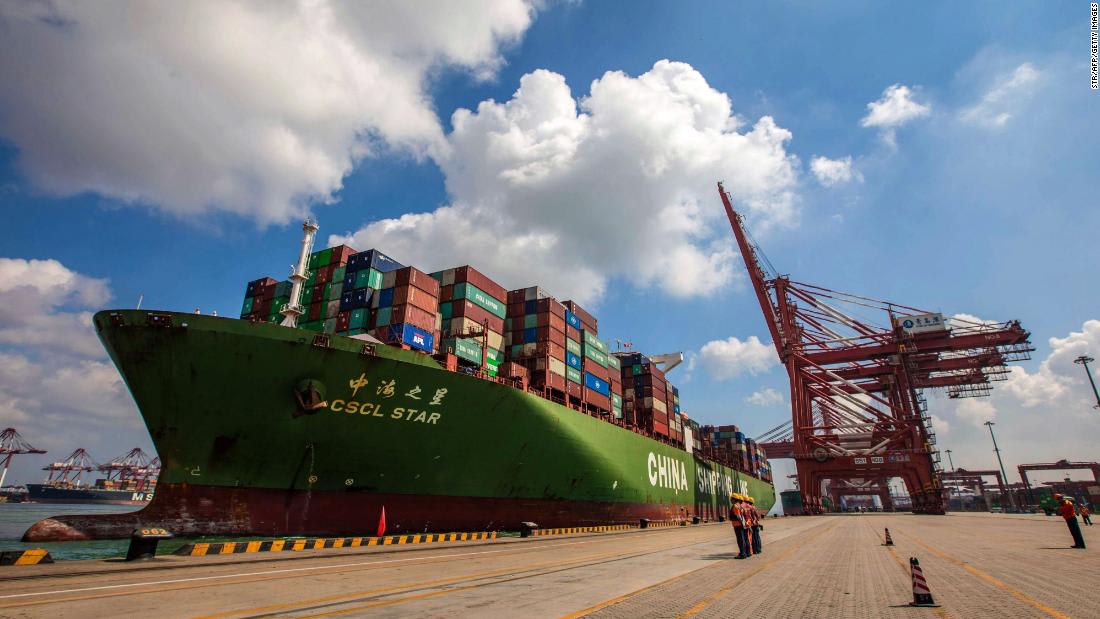
In a recent official letter to the European Commission, Belgian Prime Minister Bart De Wever called for the need for collective action against China's trade practices, questioning their negative impact on the European economy. De Wever demanded enhanced fact-based investigations into these policies to avoid potential bilateral agreements that could lead to divergent positions among EU member states towards China.
This call comes at a sensitive time for the global economy, as the European Union faces numerous challenges due to downturns in several member countries' economies. In recent years, China has become a key player in global trade, but concerns have been growing about its trade practices, which some consider unfair. According to reports from research institutions, the low pricing policies adopted by Chinese companies harm local industries in European countries.
The relationship between Europe and China is not solely an economic issue but also carries political and geopolitical dimensions. In recent years, competition among major powers has intensified, especially amid rising geopolitical tensions. Since the outbreak of the COVID-19 pandemic, the need to reevaluate supply chains and global trade has grown. Several governments, including the Belgian government, have sought to reduce dependence on China in strategic sectors.
The concerns raised by De Wever regarding Chinese trade practices reflect similar views across the European continent. China's trade attacks and protective policies have affected industries such as automotive, technology, and other sensitive sectors. The European Union needs to develop a flexible trade policy and an integrated approach for future confrontations.
The potential impact of these steps could extend to trade relations between Arab countries and China. While many Arab countries seek to enhance their trade cooperation with Beijing, they must also prepare to protect their economies from potential negative repercussions. China is considered an important trade partner for many Arab states, but this requires smart and conscious dealings to protect national interests.
De Wever's proposal is expected to spark vital discussions within the European Commission about how to handle rising trade crises. By combining cooperation and pressure, EU member states can formulate a more effective strategy for addressing unfair trade practices. It is essential to have a unified vision that protects the economic interests of member states.
In conclusion, the European moves to confront China highlight the need for a unified stance amid global economic challenges. At the same time, Arab countries should prepare for the ways these policies might affect them to enhance their economic interests in the future.