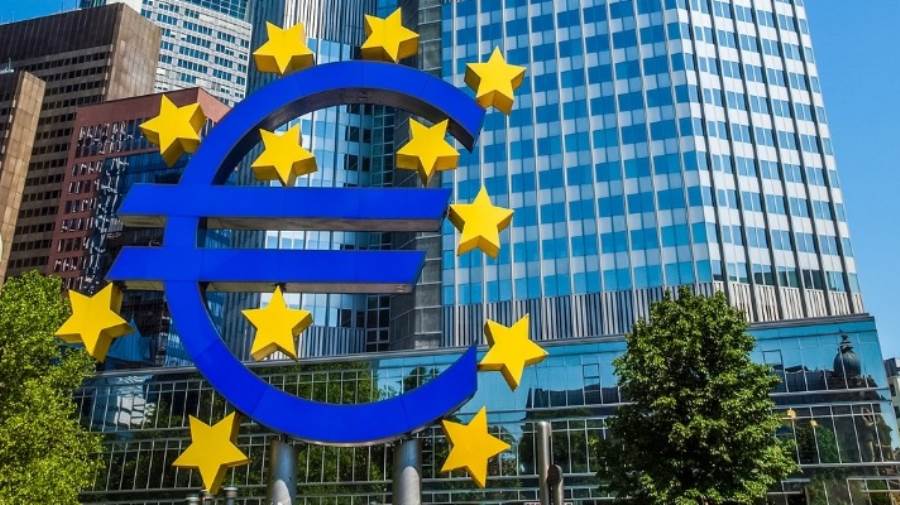
Christine Lagarde, President of the European Central Bank, confirmed that the bank will take decisive and swift actions to address the current rise in energy prices, which could lead to a new wave of inflation. This statement comes as the bank assesses the implications of the war in Iran.
Lagarde noted that the European Central Bank does not intend to hesitate in making the necessary decisions to protect the European economy from potential risks arising from rising energy prices. She expressed cautious optimism about the bank's ability to handle these challenges, emphasizing the importance of taking proactive steps.
Details of the Event
Lagarde's statements come at a sensitive time, as energy prices have seen a significant increase due to geopolitical crises, including the war in Iran. This rise in prices could negatively impact the European economy, necessitating swift intervention from the central bank.
Lagarde also confirmed that the bank is closely monitoring the situation and will assess the potential impact of these crises on inflation in the Eurozone. She added that the bank will not be "paralyzed by hesitation" in making appropriate decisions.
Background & Context
Historically, the European Central Bank has dealt with multiple economic challenges, but geopolitical crises such as the war in Iran add a new layer of complexity. Since the onset of the conflict, global markets have experienced significant volatility, affecting oil and gas prices.
The war in Iran is not new, but escalating tensions could exacerbate economic conditions in Europe, which heavily relies on imported energy. In recent years, there have been attempts by European countries to reduce dependence on unstable energy sources, but challenges remain.
Impact & Consequences
If the rise in energy prices continues, it could lead to increased inflation in the Eurozone, affecting consumers' purchasing power and raising living costs. This situation may place additional pressure on European governments, which are seeking to support their economies amid crises.
Any decision made by the European Central Bank will have wide-ranging effects on financial markets, potentially leading to changes in interest rates and monetary policies. It is crucial for there to be coordination among European countries to effectively address these challenges.
Regional Significance
The Middle East, including Iran, is a key player in the global energy market. Any changes in energy prices due to geopolitical crises could directly impact the economies of Arab countries, which heavily rely on oil exports.
Moreover, rising energy prices could lead to increased tensions in the region, as Arab countries strive to achieve economic stability amid changing global conditions. It is important for Arab nations to stay informed about developments in Europe and their potential impact on energy markets.
Lagarde's statements reflect an increasing awareness of the economic challenges facing Europe amid geopolitical crises. It will be essential to monitor developments in Iran and their impact on the global economy, especially given the growing reliance on energy.