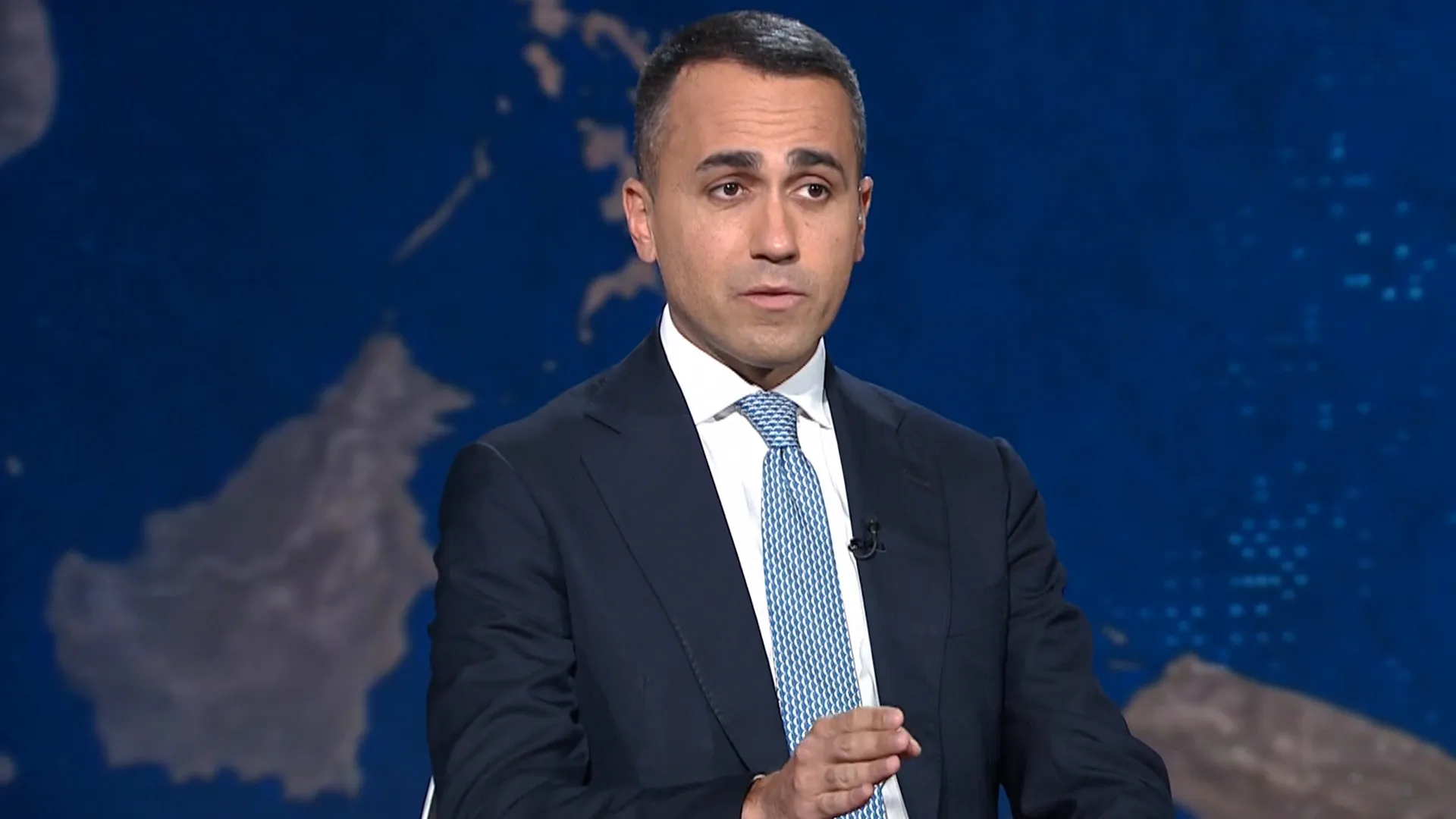
The European Union's representative for the Gulf, Luigi Di Maio, announced the launch of a new initiative aimed at ensuring freedom of navigation in the Strait of Hormuz, in light of escalating regional tensions. This announcement came during a special interview with Al Jazeera, where Di Maio stressed the importance of diplomatic solutions in addressing the challenges facing the region, particularly amid the ongoing U.S.-Israeli war against Iran.
In his remarks, Di Maio described the Iranian attacks on infrastructure in Gulf countries as "unjustified and unacceptable," pointing out that most of these attacks target civilians and civilian infrastructure. He confirmed that the European Union is providing tangible support to Gulf countries and stands alongside them in facing these threats.
Details of the Initiative
During his visit to Qatar, Di Maio clarified that the European Union shares with Gulf countries the need for diplomacy, considering Pakistan's initiative to end the war as an important step towards achieving peace in the region. He noted that Gulf countries are prepared to defend themselves and their peoples, including the hundreds of thousands of EU citizens living in those nations.
Di Maio also revealed that the European Union had reached out to Iranian officials at the onset of the war, urging them to cease attacks on countries in the region, including Jordan, Turkey, and Cyprus. He emphasized that these communications are part of European efforts aimed at achieving stability in the area.
Background & Context
These statements come at a sensitive time when the region is witnessing heightened tensions between Iran and the United States, with growing concerns about the impact of these tensions on navigation in the Strait of Hormuz, which is considered one of the world's most vital maritime passages. The strait has seen numerous incidents in recent years that have affected global trade.
Furthermore, Di Maio's initiative comes at a time when global markets are suffering from the repercussions of the war on Iran, as the region is a major source of resources such as fertilizers and helium. Di Maio pointed out that there is a strong European commitment to ensuring freedom of navigation and humanitarian corridors in the area.
Impact & Consequences
This initiative is considered an important step in the framework of European efforts to enhance security and stability in the Gulf region. This move reflects the EU's desire to play a more effective role in addressing regional crises, especially amid increasing tensions between Iran and the West.
Moreover, the success of this initiative could help alleviate tensions and enhance the prospects for dialogue among the concerned parties. If implemented effectively, it may contribute to restoring trust between Gulf countries and Iran, potentially leading to improved security and economic conditions in the region.
Regional Significance
These developments are of significant importance to Arab countries, as stability in the Gulf region directly affects the security and economy of other Arab nations. Any escalation in tensions could lead to negative repercussions on trade and investment flows in the area.
In conclusion, the importance of cooperation between Gulf countries and the European Union in addressing security and economic challenges is highlighted, as stability in this vital region is key to achieving peace and development in the Arab world.