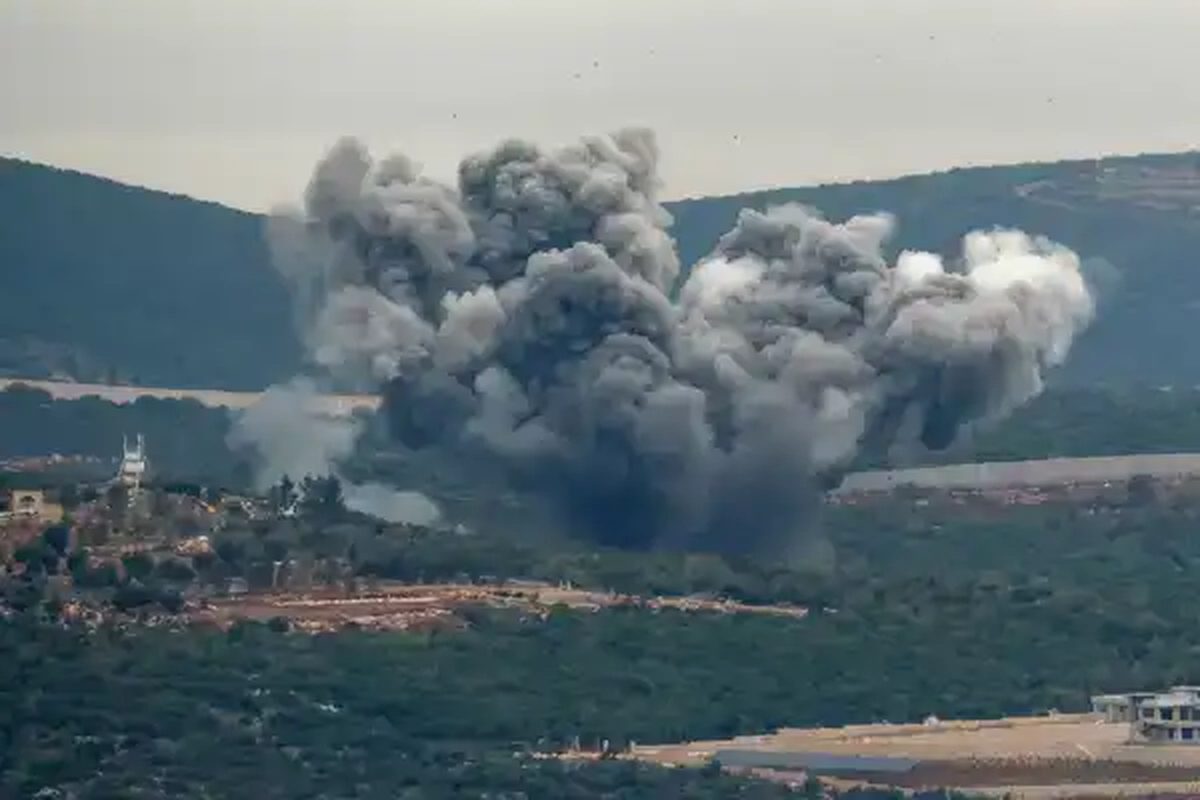
In the Lebanese city of Tyre, which has witnessed a mass evacuation due to escalating Israeli attacks, some residents insist on remaining in their homes despite the difficult circumstances and looming dangers. This determination comes at a time when violence in the region is intensifying, raising questions about the humanitarian and security situations in Lebanon.
Reports indicate that many families have left the city to escape the continuous shelling, while others choose to stay, emphasizing their deep-rooted connection to their land and homes. These residents express their defiance against the challenging conditions, asserting that they will not leave despite the risks they face.
Details of the Incident
The city of Tyre, one of the prominent southern cities in Lebanon, is subjected to repeated Israeli attacks, leading to the evacuation of its residents. The attacks, which have targeted residential areas, have resulted in widespread destruction, prompting many to seek refuge in safer areas. However, some residents prefer to stay, believing that leaving would mean abandoning their homeland.
One resident stated, "We will not leave; this is our land, and we are here to face the challenges." These words reflect the emotional attachment that residents have to their land, even in the darkest of circumstances. There are also concerns that the continuation of attacks could exacerbate the humanitarian situation in the city.
Background & Context
Historically, the city of Tyre has witnessed numerous conflicts and struggles, serving as a center for many historical events in Lebanon. Since the outbreak of the Israeli-Lebanese conflict in 2006, the city has become a symbol of resilience and resistance. As tensions in the region escalate, fears grow of a repeat of previous scenarios where civilians face the most brutal forms of violence.
In recent years, Lebanon has experienced a sharp economic decline, increasing the suffering of its residents. With the rise in Israeli attacks, the population faces additional challenges, as essential services such as electricity and water are disrupted, further increasing the pressure on families remaining in the city.
Impact & Consequences
The ongoing Israeli attacks on the city of Tyre could lead to a worsening humanitarian situation, as residents face severe shortages of food and medical assistance. Additionally, the rising number of displaced individuals may place further strain on neighboring areas, which are already grappling with economic and social crises.
Concerns are mounting that this situation could lead to greater escalation in the conflict, with the international community potentially intervening more actively to try to halt the violence. However, the international response thus far has been limited, leaving residents in a state of anxiety and uncertainty.
Regional Significance
The events in Tyre indicate a deterioration of the security situation in Lebanon, which could affect stability across the entire region. As tensions between Lebanon and Israel rise, fears of a broader conflict involving neighboring countries increase. Furthermore, the situation in Lebanon may impact relationships among Arab states, as concerns grow regarding the humanitarian and economic conditions in the country.
In conclusion, the city of Tyre remains a symbol of resilience and defiance, as its residents confront difficult circumstances with determination and resolve. However, the current situation demands urgent international attention to ensure the protection of civilians and provide the necessary assistance.